
What to check before buying a glass whiskey tumbler
Buying the right glass whiskey tumbler is about more than looks. Before you choose, it’s worth checking the glass quality, weight, rim comfort, capacity, and durability to make sure it fits your drinking style and everyday use. A well-made tumbler can improve both the taste experience and the overall presentation, whether for home enjoyment, gifting, or entertaining guests.
What should you check first when buying a glass whiskey tumbler?
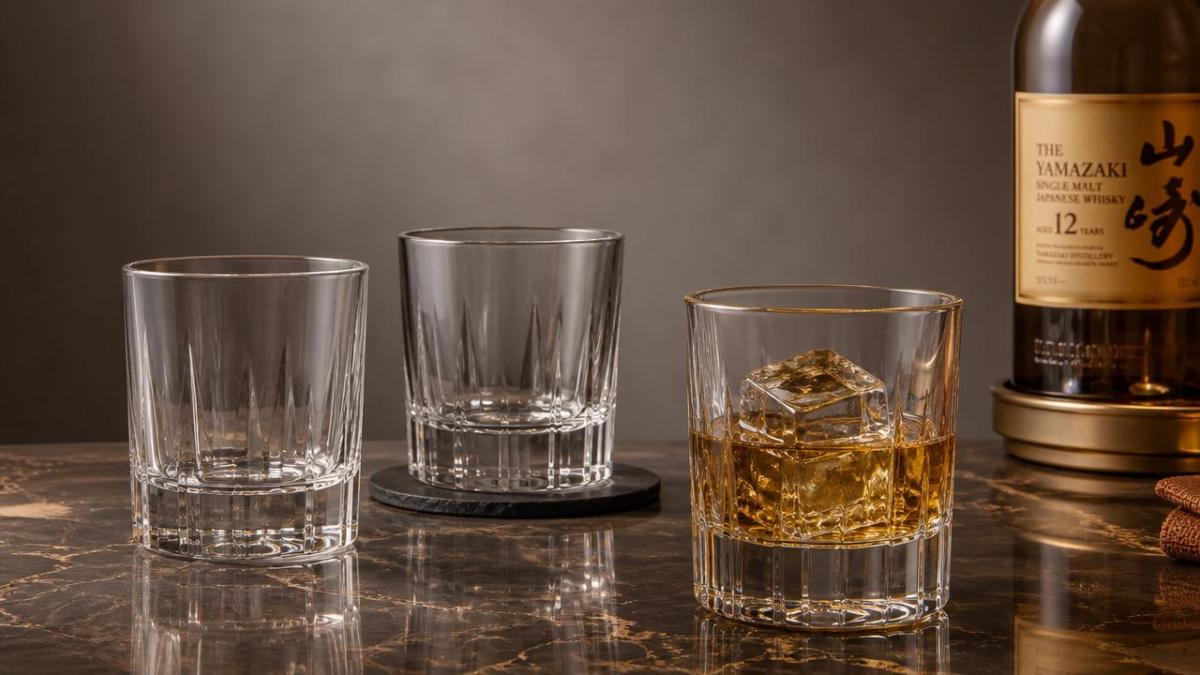
For most consumers, a glass whiskey tumbler seems simple until they compare options side by side. In the broader kitchen equipment industry, however, drinkware is treated as a functional tool, not just a decorative object. Restaurants, hotels, and modern home kitchens all rely on glassware that balances safety, handling comfort, serving performance, and long-term durability.
That industry perspective is useful for household buyers too. A tumbler that looks premium online may feel awkward in the hand, chip too easily in daily washing, or fail to match the way you actually drink whiskey. Before you buy, focus on practical checkpoints that influence both use and value.
- Glass material and clarity: Check whether the surface looks clean, transparent, and free from visible bubbles, waves, or distortion.
- Base thickness and balance: A stable base reduces tipping and often improves the premium feel in hand.
- Rim design: A smooth, even rim affects comfort when sipping and can change the overall tasting experience.
- Capacity: The right size depends on whether you drink neat, on the rocks, or use the tumbler for cocktails as well.
- Durability in everyday kitchen use: Consider dishwashing, storage, occasional knocks, and repeated temperature change during serving.
These basics may sound obvious, but they are exactly where many poor purchases happen. Consumers often overvalue appearance and underestimate grip, rim finish, or cleaning convenience. In household kitchens and entertaining setups, those details matter more than a product photo suggests.
A quick buying checklist for everyday use
The table below helps you assess a glass whiskey tumbler the way a practical buyer, bar operator, or kitchen equipment planner would evaluate serving glassware.
If a tumbler performs well across these four points, it is far more likely to feel right in daily use. This is also why professional foodservice buyers often evaluate drinkware through handling, repeat use, and cleaning behavior rather than style alone.
How do material, thickness, and manufacturing quality affect a glass whiskey tumbler?
In the kitchen equipment supply chain, product quality starts with material control and manufacturing consistency. That applies to a glass whiskey tumbler just as much as it does to cookware or food-contact utensils. For end consumers, this means the “feel” of a tumbler is not random. It is the result of design choices and production quality.
Thickness matters, but thicker is not always better. A very heavy tumbler can feel luxurious, yet excessive wall thickness may make sipping less elegant. On the other hand, very thin walls can feel fragile in busy homes or when used during gatherings. The best option usually combines a solid base with well-controlled wall thickness and a comfortable rim.
Key quality signals to inspect
- Uniform wall thickness suggests better process control and a more balanced hand feel.
- A flat resting surface improves stability on dining tables, bar carts, and kitchen counters.
- Low visible seam lines and neat finishing usually indicate more refined production.
- A polished rim is often more comfortable than a rough or irregular edge.
Household buyers can also learn from commercial environments. Restaurants and hotels prefer glassware that withstands repeated handling, stacking, washing, and serving pressure. While a home user does not need full commercial specifications, the same logic applies: better manufacturing consistency often means fewer chips, fewer complaints, and longer useful life.
Comparing common buying options
When choosing a glass whiskey tumbler, consumers often compare lightweight modern styles, thick-bottom classic styles, and decorative gift-oriented styles. The table below helps frame that decision more clearly.
There is no single best style for everyone. The right glass whiskey tumbler depends on how often you use it, whether you drink neat or with ice, how important visual presentation is, and how much durability you need in a real kitchen environment.
Which glass whiskey tumbler suits different home and entertaining scenarios?
A smart purchase starts with the use case. In the kitchen equipment world, product selection is always tied to workflow and environment. Consumers should apply the same idea. A tumbler for solo evening pours may differ from one meant for parties, gifting, or mixed household use.
Scenario-based selection tips
- For everyday home sipping, choose a glass whiskey tumbler with moderate weight, a smooth rim, and a capacity that leaves room for aroma without looking oversized.
- For entertaining guests, prioritize visual consistency across a set, stack or storage practicality, and a design that works for both whiskey and simple cocktails.
- For gifting, focus on finish quality, presentation, and whether the tumbler style matches the recipient’s habits rather than choosing only by decorative detail.
- For households with frequent dishwashing, children nearby, or limited storage, durability and easy cleaning may matter more than delicate styling.
This practical approach reflects broader industry trends. As modern kitchen solutions move toward efficiency and integrated use, consumers also expect items that combine aesthetics with utility. A tumbler that serves multiple occasions often delivers better long-term value than a highly specialized but rarely used piece.
Application scenarios at a glance
The following table shows how the right glass whiskey tumbler can vary by setting, drinking habit, and purchase priority.
Matching the tumbler to the scenario reduces buyer regret. It also prevents a common mistake: paying extra for visual features that do not improve actual use at home.
What are the most common mistakes when choosing a glass whiskey tumbler?
Many consumers buy quickly based on online photos, gift packaging, or the assumption that all lowball glasses perform the same. In practice, several avoidable mistakes lead to disappointment.
Frequent buying errors
- Choosing only by appearance and ignoring ergonomics. A striking glass whiskey tumbler may still feel awkward if the sidewall shape does not suit your grip.
- Ignoring true capacity. Some tumblers look large but offer limited functional space once ice is added.
- Overlooking cleaning and storage. Deep patterns, unusual angles, or fragile edges can make maintenance more frustrating.
- Assuming heavier always means better quality. Excess weight can become tiring and does not automatically guarantee better manufacturing.
- Buying an expensive specialty glass when a multipurpose tumbler would better fit the household.
These mistakes matter because modern kitchen buying is increasingly value-conscious. Consumers now compare design, function, and longevity the way professional buyers compare equipment performance. The same mindset helps with glassware selection.
Do standards, food-contact safety, and supplier quality matter for consumers?
Yes, even for a single glass whiskey tumbler purchase. End consumers may not review procurement documents the way commercial buyers do, but supplier quality still affects the final product. In the kitchen equipment field, safe food-contact materials, stable production, and export-ready manufacturing are important trust signals.
When evaluating a seller or manufacturer, look for clear product details, consistent dimensions, realistic care instructions, and transparent communication. If you are buying in sets, for gifts, or for hospitality-style home entertaining, consistency across pieces becomes especially important.
Useful questions to ask before ordering
- Is the glass whiskey tumbler intended for food-contact use and described accordingly?
- Are dimensions, capacity, and care methods clearly listed?
- If buying a set, is there good consistency in shape, weight, and finish?
- Does the supplier support sample review, packaging confirmation, or replacement handling if damage occurs?
These questions reflect how the global kitchen equipment sector operates today. As supply chains become more international and consumers gain access to manufacturers from major production regions, careful evaluation of specifications and communication quality becomes more valuable than brand image alone.
FAQ: practical questions about buying a glass whiskey tumbler
How large should a glass whiskey tumbler be?
For many home users, a capacity in the roughly 250–350 ml range works well. It provides enough room for neat pours, large ice cubes, or small cocktails without making the glass feel oversized. If you mainly drink whiskey neat, you may prefer a more compact tumbler with a comfortable grip and less visual bulk.
Is a heavier glass whiskey tumbler always better?
Not always. A heavier base can improve stability and create a premium feel, but overall balance matters more than absolute weight. If the tumbler feels tiring to hold or too thick at the rim, the experience may be less enjoyable despite the solid construction.
What shape is best for whiskey with ice?
A broader glass whiskey tumbler with a stable base usually works well for ice because it allows easier placement of cubes and comfortable swirling. The opening should not be so wide that aroma feels lost, but it should leave enough room for practical serving and sipping.
Can one tumbler work for whiskey and other drinks?
Yes. A versatile lowball or rocks-style glass whiskey tumbler can also serve cocktails, sparkling water, juice, or soft drinks. For many households, this is the smartest choice because it improves frequency of use and storage efficiency while still offering a pleasing whiskey experience.
Why choose us for glass whiskey tumbler selection and supply support?
Choosing the right glass whiskey tumbler becomes easier when you can compare practical specifications instead of guessing from photos. We support buyers with product selection guidance grounded in real kitchen equipment and foodservice logic, including household usability, presentation needs, and long-term durability considerations.
If you are evaluating options, you can contact us for specific support such as capacity confirmation, rim and base style comparison, set selection, packaging review, sample support, delivery timing, and quotation communication. If you need a tumbler for gifting, home entertaining, or mixed everyday use, we can help narrow the choice according to your budget, usage scenario, and quality expectations.
A well-chosen glass whiskey tumbler should look right, feel right, and last well in the kitchen. If you want help comparing styles, confirming parameters, or discussing a custom or bulk order, reach out with your target quantity, preferred capacity, and intended use. That allows a faster, more accurate recommendation.
Popular Tags
Kitchen Industry Research Team
Dedicated to analyzing emerging trends and technological shifts in the global hospitality and foodservice infrastructure sector.
Industry Insights
Join 15,000+ industry professionals. Get the latest market trends and tech news delivered weekly.
No spam. Unsubscribe anytime.

Contact With us
Contact:
Anne Yin (Ceramics Dinnerware/Glassware)
Lucky Zhai(Flatware)