
Commercial Pizza Oven Gas or Electric? The Cost Gap Is Bigger Than It Looks
Choosing a commercial pizza oven is not only a cooking decision. It is also a capital planning decision that shapes energy bills, labor flow, maintenance cost, and menu consistency.
When comparing gas and electric options, the sticker price often receives too much attention. The larger cost gap usually appears later, through installation complexity, utility rates, recovery speed, downtime, and long-term operating efficiency.
In the wider kitchen equipment industry, this comparison reflects a larger trend. Buyers are no longer evaluating equipment by purchase cost alone. They are measuring lifecycle value, compliance impact, and operational flexibility.
Commercial Pizza Oven Basics and Cost Structure
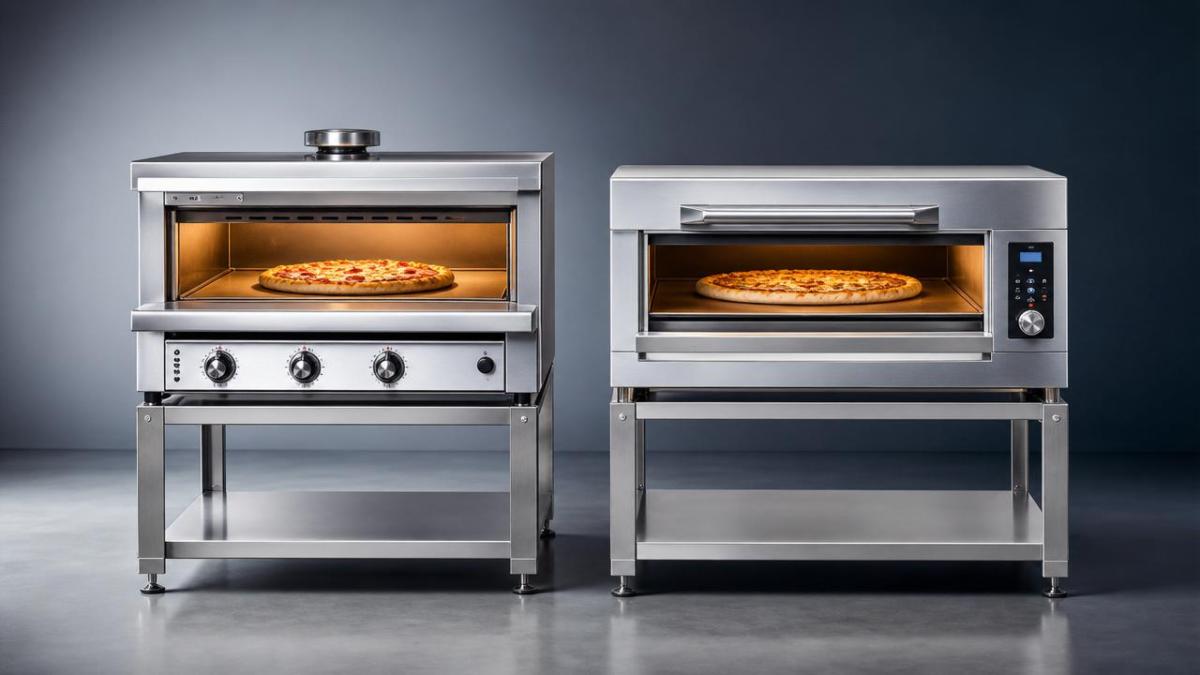
A commercial pizza oven is designed for repeated, high-volume baking in foodservice settings. Common formats include deck ovens, conveyor ovens, and countertop units, each with different output, heat behavior, and footprint.
Gas models burn natural gas or LPG to generate heat. Electric models use resistance elements and digital controls. Both can produce quality pizza, but their total cost profile differs significantly.
The true cost of a commercial pizza oven usually includes five layers:
- Equipment purchase price
- Installation and utility connection
- Daily energy consumption
- Maintenance and service frequency
- Productivity, consistency, and lifespan
This lifecycle approach is becoming standard across commercial kitchen equipment. It matches broader industry priorities around energy efficiency, smarter controls, and lower operating risk.
Where the Cost Gap Usually Gets Bigger
The biggest gap between a gas and electric commercial pizza oven often appears before the first pizza is baked. Site readiness can dramatically change the budget.
Installation and infrastructure
A gas commercial pizza oven may require gas piping, shutoff valves, pressure checks, and ventilation adjustments. In some properties, these upgrades are straightforward. In others, they are expensive and slow.
An electric commercial pizza oven may avoid gas line work, but high-capacity units can demand stronger electrical service. Panel upgrades, dedicated circuits, or three-phase access may increase project cost.
Energy pricing over time
Gas is often cheaper per unit of heat than electricity. That can make a gas commercial pizza oven look attractive for high-volume operations with long daily runtimes.
However, local utility pricing changes the outcome. In some regions, electricity is more stable, while gas rates fluctuate seasonally. The lower-cost option depends on actual local tariffs, not assumptions.
Output and recovery speed
A commercial pizza oven that recovers heat faster can handle more orders during peaks. Gas units often perform well under heavy demand, especially in busy service windows.
Electric units often shine in temperature precision. Better control can reduce overbaking, improve repeatability, and cut food waste. Those savings may offset higher energy costs in some operations.
Maintenance and downtime
Gas systems involve burners, valves, ignition components, and combustion checks. Electric systems often have fewer combustion-related issues, but heating elements and control boards can still fail.
Downtime matters more than repair price alone. If a commercial pizza oven stops during peak hours, lost sales can exceed the service invoice very quickly.
Industry Signals Shaping Gas and Electric Decisions
The kitchen equipment sector is moving toward efficiency, digital control, and sustainability. That shift is changing how a commercial pizza oven is selected across restaurants, hotels, central kitchens, and mixed-use food operations.
These trends matter because a commercial pizza oven now sits inside a larger equipment strategy. The oven must fit energy policy, service model, labor availability, and space constraints at the same time.
Business Value Beyond the Utility Bill
The best commercial pizza oven is not always the cheapest to run per hour. It is the one that protects margins across output, consistency, labor efficiency, and service reliability.
For example, tighter temperature control can reduce training variability. Faster recovery can increase throughput during short rush periods. Better insulation can improve kitchen comfort and reduce wasted heat.
A commercial pizza oven also influences menu expansion. Some units handle flatbreads, baked appetizers, or reheating tasks more effectively. Multi-use capability can improve equipment utilization and speed return on investment.
- Lower food waste through more stable baking
- Reduced labor correction from fewer inconsistent results
- Higher uptime through simpler preventive maintenance planning
- Better layout compatibility in modern kitchen design
In many cases, these secondary factors create the larger cost gap. They are less visible than utility bills, but often more important to long-term profitability.
Typical Scenarios for Gas and Electric Commercial Pizza Oven Use
Different operating environments change the answer. A commercial pizza oven should be matched to load pattern, utility access, and desired control level.
This is why side-by-side comparison matters. Two kitchens buying the same commercial pizza oven category can end up with very different total ownership cost.
Practical Evaluation Points Before Final Selection
A disciplined review process reduces surprises. Before choosing a commercial pizza oven, compare these points in a structured way.
- Calculate installed cost, not equipment price only.
- Estimate daily operating hours and peak-load demand.
- Check local gas and electricity rates over recent seasons.
- Review ventilation, electrical capacity, and code requirements.
- Compare recovery speed, control precision, and standby efficiency.
- Ask about service parts availability and maintenance intervals.
- Model five-year ownership cost using realistic production volumes.
It is also wise to test menu fit. A commercial pizza oven that performs perfectly for thin-crust pizza may not be ideal for thicker products or broader baked menu items.
Where possible, include soft costs. Training time, cleaning burden, heat impact on staff comfort, and restart delay after idle periods can influence actual profitability.
A Clear Next Step for Comparing Total Ownership Cost
The real choice between gas and electric is not about which commercial pizza oven is universally better. It is about which option aligns with the site, utility structure, production profile, and long-term cost expectations.
Start with a simple comparison sheet. Include installed cost, monthly energy estimate, expected output, maintenance assumptions, and likely service life. Then test the numbers under both normal and peak demand.
In today’s kitchen equipment market, the most effective decisions come from lifecycle thinking. A commercial pizza oven should support efficiency, reliability, and scalable foodservice performance, not just initial budget approval.
When those factors are measured together, the cost gap often becomes much clearer. That clarity is what turns an oven purchase into a stronger long-term business decision.
Popular Tags
Kitchen Industry Research Team
Dedicated to analyzing emerging trends and technological shifts in the global hospitality and foodservice infrastructure sector.
Industry Insights
Join 15,000+ industry professionals. Get the latest market trends and tech news delivered weekly.
No spam. Unsubscribe anytime.

Contact With us
Contact:
Anne Yin (Ceramics Dinnerware/Glassware)
Lucky Zhai(Flatware)