
Glass Home Decor Vase Styles Explained: Which Shapes Fit Modern Living Spaces?
Why does glass home decor vase shape matter so much in a modern room?
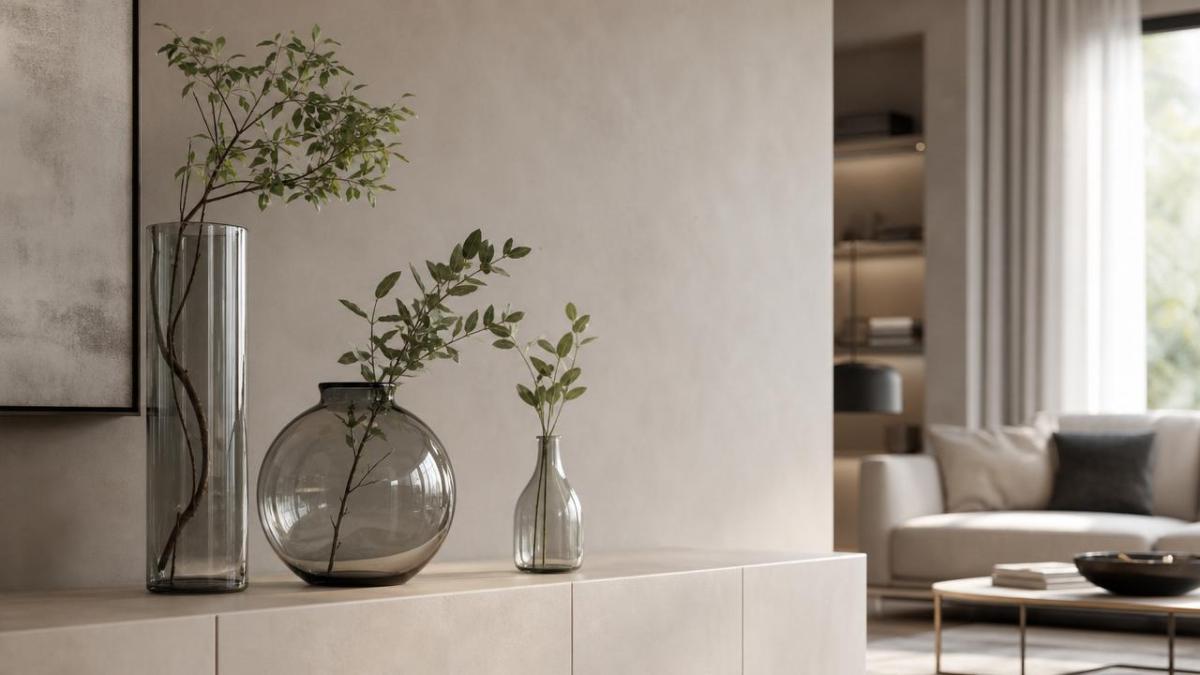
A glass home decor vase does more than hold flowers. It changes scale, rhythm, and light inside a room.
That is why two vases in the same color can create completely different results.
In modern living spaces, shape usually speaks first. Clean silhouettes support calm interiors. Softer curves add warmth. Irregular lines feel more artistic.
The appeal of a glass home decor vase also comes from transparency. Glass reflects daylight, catches lamp glow, and keeps visual weight lighter than ceramic or metal.
This matters in smaller apartments, open-plan homes, and multifunctional spaces where decor should feel present without looking heavy.
There is also a practical angle. Many people now want objects that work across dining areas, kitchen islands, shelves, and sideboards.
That crossover reflects a wider home-living trend. Just as the kitchen equipment industry values efficiency, adaptable design, and smart use of space, home decor choices increasingly follow the same logic.
So the better question is not only which vase looks nice, but which shape supports the way a modern room functions every day.
Which glass home decor vase shapes work best with contemporary interiors?
Most modern interiors favor a few reliable vase families. Each one creates a distinct mood and works best in certain placements.
Tall cylindrical vases
These are the easiest fit for modern homes. Their straight walls echo clean architecture, slim furniture legs, and linear shelving.
They are strong on consoles, dining tables, and kitchen counters. Long stems, branches, or even a single statement leaf work well here.
Round and globe-shaped vases
A round glass home decor vase softens sharp interiors. It breaks up strict lines and makes a room feel more relaxed.
This shape suits coffee tables, bedside surfaces, and compact shelves. It looks especially balanced with short floral arrangements.
Bud vases and narrow-neck styles
These are useful when you want detail without clutter. A narrow-neck glass home decor vase supports one or two stems and keeps styling controlled.
They work beautifully in grouped arrangements. Three small pieces often feel more intentional than one medium vase.
Asymmetrical or sculptural shapes
These are less about flowers and more about visual identity. They fit minimalist homes that need one artistic focal point.
Used carefully, they create depth. Used too often, they can make a room feel unsettled.
A good rule is simple: if the room already has strong patterns, keep the vase shape calmer.
How do you match vase shape to room size, furniture, and daily use?
This is where many people hesitate. A vase may look beautiful alone, then awkward once placed in a real room.
The easiest way to choose a glass home decor vase is to compare shape with the surface beneath it.
- Long dining table: tall cylinders or oval forms usually look stable and elegant.
- Small coffee table: low round vases prevent visual blockage and feel easier to live with.
- Kitchen island: medium-height clear glass works best because it stays decorative without interrupting conversation.
- Open shelf: narrow or sculptural forms read better from different angles.
Daily use matters too. In active spaces near cooking or serving areas, lighter-looking shapes often perform better visually.
That is especially true in homes influenced by modern kitchen planning. Clean counters, efficient movement, and easy maintenance shape decor decisions as much as style does.
If a vase sits near a dining zone or kitchen equipment, choose a form that is simple to clean and hard to overcrowd with oversized stems.
A useful shortcut is to think in proportion. A vase should usually take up visual space, not dominate it.
If you are unsure, start with the table rather than the vase. The surface usually tells you the correct direction.
What are the most common mistakes when choosing a glass home decor vase?
The first mistake is choosing by catalog photo alone. A beautiful shape may fail once real furniture, lighting, and daily movement enter the picture.
Another frequent issue is ignoring neck width. This affects how flowers fall, spread, or stand upright.
A wide opening can look empty with only a few stems. A narrow opening can make fuller bouquets look forced.
People also confuse sculptural value with flexibility. An artistic glass home decor vase may look striking, but it might be difficult to reuse in different seasons.
There is also the maintenance issue. In real homes, fingerprints, water marks, and dust show quickly on some clear glass surfaces.
That does not mean avoiding glass. It simply means matching the finish to your habits. Ribbed, smoked, or lightly textured glass can be more forgiving.
- Do not buy only for empty display if you plan to use fresh flowers often.
- Do not ignore height near eye-level tables or kitchen islands.
- Do not mix too many bold vase shapes in one sightline.
- Do not forget how natural and artificial light change glass appearance.
In practice, the best glass home decor vase is often the one you keep using, not the one that photographs best once.
Is color, texture, or transparency as important as shape?
Yes, but shape still leads the decision. Color and finish usually refine the mood rather than define the structure.
Clear glass is the most flexible option. It suits modern living rooms, bedrooms, dining areas, and kitchen-adjacent spaces with little effort.
Smoked glass feels more architectural. Amber or light green glass adds warmth. Frosted surfaces create softness and reduce glare.
Texture changes perception too. Ribbed surfaces catch light in a controlled way and can make a simple glass home decor vase feel more premium.
This mirrors a broader design movement across home products. People increasingly want objects that combine beauty with practical performance.
That same expectation appears in contemporary kitchen equipment, where efficient function and refined appearance often need to work together.
So if you are comparing two similar shapes, choose the finish that supports your lighting conditions and cleaning tolerance.
How many vases do you really need, and where should you start?
Most homes do not need a large collection. Three well-chosen pieces usually cover everyday styling better than many random ones.
A balanced starting set often includes one tall cylinder, one round medium vase, and one small bud vase.
That combination handles branches, standard bouquets, and simple single-stem arrangements without much effort.
If your home has open living and kitchen areas, this small set is especially useful. Pieces can move between dining table, island, shelf, and console as needed.
When shopping for a glass home decor vase, it helps to ask a few grounded questions:
- Will this vase hold real flowers, dried stems, or stand alone?
- Where will it live most of the time?
- Does it suit the room when empty as well as full?
- Is it easy to clean, move, and restyle?
Those questions create a better buying filter than trends alone.
In the end, the right glass home decor vase should fit your space the way good modern design always does: with clarity, balance, and everyday usefulness.
If you are narrowing options now, begin with room size, surface type, and flower habits. Then compare shape, opening, and finish. That sequence usually leads to the best choice.
Popular Tags
Kitchen Industry Research Team
Dedicated to analyzing emerging trends and technological shifts in the global hospitality and foodservice infrastructure sector.
Industry Insights
Join 15,000+ industry professionals. Get the latest market trends and tech news delivered weekly.
No spam. Unsubscribe anytime.

Contact With us
Contact:
Anne Yin (Ceramics Dinnerware/Glassware)
Lucky Zhai(Flatware)