
Which Ceramic Serving Bowl Finishes Hold Up Best in Foodservice?
In foodservice, the finish of a ceramic serving bowl directly affects durability, appearance, and long-term value. From a ceramic pasta bowl and porcelain soup bowl to a stoneware bowl or stoneware serving dish, operators and buyers need surfaces that resist chips, stains, and heavy daily use. This guide explores which finishes perform best and what decision-makers should compare before purchasing.
What matters most in a ceramic serving bowl finish for foodservice?
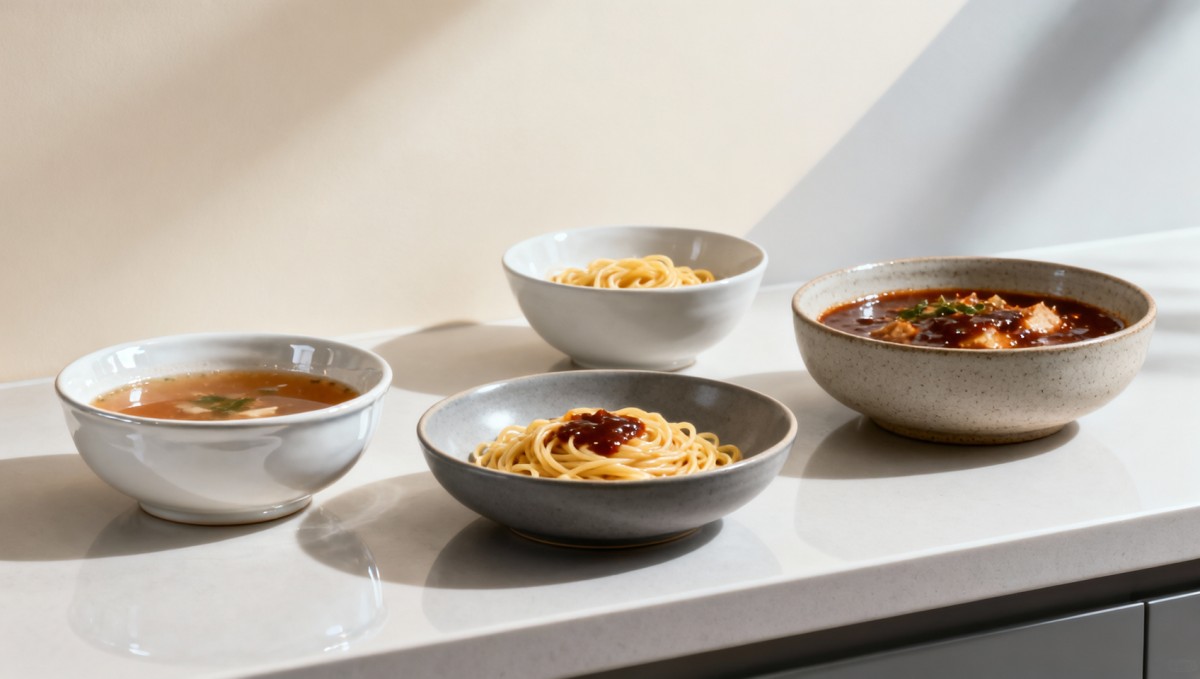
For restaurants, hotels, central kitchens, and catering businesses, finish performance is not only about appearance. A foodservice ceramic bowl must tolerate repeated washing, stacking, serving, and contact with acidic, oily, or colored foods. In most commercial environments, bowls may go through 1–3 wash cycles per day, which means the finish becomes a key factor in lifecycle cost.
The best ceramic serving bowl finishes usually balance four priorities: surface hardness, resistance to visible wear, cleanability, and consistency across batches. Buyers often focus on shape and price first, but the finish often determines whether a ceramic pasta bowl keeps its look after 6–12 months of service or starts showing dullness, staining, and edge damage much earlier.
In the kitchen equipment industry, purchasing decisions increasingly align with operational efficiency and total cost control. That is why foodservice operators compare not only porcelain soup bowl aesthetics or stoneware bowl color depth, but also how the finish behaves under dishwashing chemicals, thermal variation, and daily handling by multiple staff members across different shifts.
Core finish functions buyers should evaluate
- Surface protection: the finish should reduce moisture absorption and help protect the ceramic body from staining, odor retention, and surface scratching.
- Visual retention: after repeated use, the bowl should keep a stable gloss level, color tone, and plating presentation without premature fading or patchiness.
- Cleaning efficiency: smooth, well-fired finishes usually release grease and sauce residue faster, which matters in high-volume dishwashing windows of 30–90 minutes.
- Handling durability: edges, foot rings, and rim surfaces should tolerate stacking, transport carts, and back-of-house movement with lower risk of visible wear.
For procurement teams, these factors connect directly to replacement frequency, complaint risk, and presentation consistency. For users and operators, they influence whether the bowl remains practical in daily service. For decision-makers, finish quality is one of the easiest ways to reduce hidden replacement costs without changing the overall tabletop concept.
Which ceramic bowl finishes usually hold up best under commercial use?
Not all finishes perform equally in foodservice. In general, high-fired glossy glaze on porcelain tends to offer the best combination of stain resistance, smooth cleanability, and visual consistency. Well-made semi-matte glaze can also perform well, especially where design calls for a softer look, but it must be evaluated carefully because some matte textures can trap residue more easily.
Stoneware serving dish finishes can be durable, especially when fully vitrified and covered with a dense glaze. However, some rustic finishes that look attractive in boutique dining may show utensil marks or edge wear faster in high-turnover operations. A stoneware bowl selected for daily service should be checked for glaze density, rim coverage, and consistency after repeated dishwasher exposure over several weeks.
Reactive glaze and artisanal effects are popular in modern tableware programs, but they require more careful specification. They may be suitable for premium restaurants with lower daily volume or more controlled handling, yet less ideal for banquet operations, school catering, or hospital foodservice where standardization, speed, and replacement planning matter more than visual uniqueness.
Performance comparison by finish type
The table below compares common ceramic serving bowl finishes used in commercial dining, buffet service, and hospitality environments. It can help buyers assess whether a porcelain soup bowl, ceramic pasta bowl, or stoneware serving dish is better aligned with heavy-use, medium-use, or presentation-led operations.
For most heavy-duty commercial use, glossy glazed porcelain remains the safest choice. It is especially suitable when replacement consistency, dishwashing speed, and low-maintenance appearance matter more than handcrafted visual effects. If a project wants a stoneware bowl or a decorative stoneware serving dish, selecting a smoother, denser finish usually improves long-term performance.
A practical rule of thumb
If the operation serves more than 100–300 covers per day, prioritize finish cleanability and rim durability first. If service volume is below that range and brand presentation is central to the dining concept, more expressive glazes can be considered, but sample testing should still run for at least 2–4 weeks under actual dishwasher and handling conditions.
How do finish choices change by application scenario?
A ceramic serving bowl that performs well in a fine-dining restaurant may not be the right option for hotel breakfast service or institutional catering. Finish choice should reflect menu style, washing intensity, staffing patterns, and breakage risk. This is where kitchen equipment buyers often gain savings by matching the bowl finish to the real workflow rather than choosing by catalog appearance alone.
For example, a porcelain soup bowl used in banquet service must maintain a consistent appearance across dozens or hundreds of pieces. A ceramic pasta bowl in an à la carte restaurant may need a wider presentation surface and excellent release of sauce residue. A stoneware bowl in a café may support branding, but if turnover is high, a smoother glaze often reduces maintenance friction.
Scenario-based selection guide
The matrix below helps procurement teams and operators connect finish type with actual foodservice use cases, expected handling pressure, and cleaning requirements across common commercial environments.
This comparison shows why “best finish” depends on service conditions. In high-volume systems, standard glossy finishes often deliver the best operational value. In design-led dining, a more character-driven finish may be worthwhile, but it should be limited to menu categories or table zones where staff can handle it with greater care.
Three operational checks before final approval
- Run real menu tests with tomato-based, oil-based, and deeply colored foods for 7–14 days to observe residue and stain behavior.
- Check stacking and destacking speed during a busy shift to see whether rims, foot rings, or textured surfaces create handling delays.
- Review replacement matching expectations for the next 6–12 months, especially if the finish has artisanal variation.
These checks are especially useful for procurement teams managing multiple outlets or cross-border supply, where consistent replenishment matters as much as initial tabletop styling.
What should buyers and decision-makers check before purchasing?
Purchasing a ceramic serving bowl for foodservice is rarely just a design decision. It affects operations, hygiene routines, replacement planning, and budget discipline. Buyers should assess at least 5 key checkpoints: glaze smoothness, rim durability, dishwasher compatibility, replacement consistency, and suitability for the intended menu category. This applies whether the product is a ceramic pasta bowl, porcelain soup bowl, or stoneware serving dish.
The kitchen equipment industry increasingly supports integrated sourcing, meaning tableware must align with broader commercial kitchen performance goals such as efficiency, standardized workflows, and reduced waste. A bowl finish that saves even a few seconds in washing or reduces avoidable replacements over 2–3 procurement cycles can improve total operating efficiency more than a lower unit price suggests.
Procurement checklist for finish evaluation
- Ask whether the body and finish are suited for commercial dishwashing frequency, not only occasional home use.
- Inspect the rim and edge glazing carefully. In many operations, edge impact is the first area where premature wear appears.
- Review sample consistency across multiple pieces, ideally 6–12 units rather than a single sample, especially for reactive glaze collections.
- Check whether the finish highlights utensil marks under bright lighting, which is common in open dining rooms and buffet counters.
- Confirm replenishment feasibility, because some artisanal finishes are difficult to match in later production runs.
A simple evaluation table for sourcing teams
The following table can be used during supplier discussions or internal approval meetings to compare ceramic bowl finishes on practical procurement criteria rather than appearance alone.
When buyers use these criteria early, discussions become more precise. That shortens sourcing cycles, reduces approval uncertainty, and improves alignment between operations staff, purchasing departments, and management teams.
It is also useful to request sample support and define a test window before placing bulk orders. For many projects, a 2-week internal trial with kitchen staff provides clearer insights than relying on appearance review alone.
Common mistakes, compliance questions, and practical FAQ
Foodservice buyers often assume that all ceramic serving bowl finishes are equally durable if the bowl feels heavy or looks premium. In practice, finish behavior depends on firing quality, glaze application, surface design, and actual operating conditions. A beautiful finish can still be a poor choice if it does not match the cleaning regime or service intensity of the kitchen.
Compliance also matters. While exact requirements vary by market and buyer category, sourcing teams commonly ask for food-contact suitability information, basic product consistency, and documentation relevant to commercial supply. These checks are especially important in international trade, where kitchen equipment and tabletop procurement often involve multiple suppliers and cross-border shipment timelines of 2–8 weeks.
FAQ: How should foodservice teams think about ceramic bowl finishes?
Is glossy porcelain always better than stoneware?
Not always. A high-quality stoneware bowl with a dense, smooth glaze can perform well in many restaurant settings. However, for large-volume banquet, buffet, or institutional service, glossy porcelain is often easier to clean, easier to standardize, and simpler to replenish over 6–12 month purchasing cycles.
Do matte finishes stain more easily?
Some do, especially when the surface texture is pronounced or the finish is not optimized for commercial dishwashing. This is why menu-based testing matters. Foods with oil, curry, tomato, soy, or beet color are useful for a 7–14 day trial because they expose residue and stain-release performance quickly.
What is the biggest mistake in ceramic serving bowl procurement?
The most common mistake is choosing by visual style without confirming how the finish behaves in real service. Another frequent issue is reviewing just one sample instead of multiple pieces. For chain operations or hotel projects, checking 6–12 samples gives a more reliable picture of production consistency.
How long should a sample test take?
A practical evaluation usually takes 2–4 weeks. This allows staff to observe washing performance, stacking wear, utensil marking, and residue release across several menu cycles. Shorter tests can help screen options, but they may miss problems that only appear after repeated handling.
For foodservice projects with tight deadlines, these FAQ points can shorten internal debate and help teams move from design preference to evidence-based selection.
Why choose us for ceramic serving bowl selection and project support?
In commercial kitchen and tabletop sourcing, buyers do not only need a product list. They need guidance that fits operational volume, food presentation goals, delivery planning, and supplier coordination. We support foodservice teams by helping compare finish options for ceramic serving bowl programs, from porcelain soup bowl requirements to stoneware serving dish selections for branded dining concepts.
Our support can cover 4 practical areas: finish and material comparison, sample evaluation planning, replenishment and lead-time discussion, and alignment with application scenarios such as hotels, chain restaurants, central kitchens, and catering service. This helps information researchers, operators, procurement teams, and business decision-makers move faster with fewer avoidable mistakes.
What you can contact us about
- Parameter confirmation for ceramic pasta bowl, porcelain soup bowl, and stoneware bowl formats suited to your menu and service flow.
- Selection advice on glossy, semi-matte, or reactive finishes based on daily covers, washing frequency, and replacement planning.
- Sample support discussions, including how many pieces to test and what 2–4 week evaluation steps to run internally.
- Lead-time and delivery planning for project orders, repeat orders, and multi-location purchasing needs.
- Quotation communication for standard products or customized serving bowl solutions aligned with your brand concept and operating budget.
If your team is comparing ceramic serving bowl finishes for a new opening, a hotel replacement cycle, or a chain restaurant rollout, contact us with your use scenario, target quantity, and preferred style direction. We can help you narrow the options, review finish suitability, and discuss sample, compliance, and delivery details before you commit to a bulk purchase.
Popular Tags
Kitchen Industry Research Team
Dedicated to analyzing emerging trends and technological shifts in the global hospitality and foodservice infrastructure sector.
Industry Insights
Join 15,000+ industry professionals. Get the latest market trends and tech news delivered weekly.
No spam. Unsubscribe anytime.

Contact With us
Contact:
Anne Yin (Ceramics Dinnerware/Glassware)
Lucky Zhai(Flatware)