
Smart Restaurant Kitchen Solutions: What Functions Matter Before System Selection?
Smart Restaurant Kitchen Solutions: What Functions Matter Before System Selection?
Choosing smart restaurant kitchen solutions is not just about adding automation.
It is really about matching system functions with daily kitchen pressure.
A modern kitchen runs on speed, consistency, hygiene, and coordination.
That is why smart restaurant kitchen solutions must be judged by outcomes, not by flashy features.
Before comparing suppliers, it helps to define what functions actually support service, compliance, and cost control.
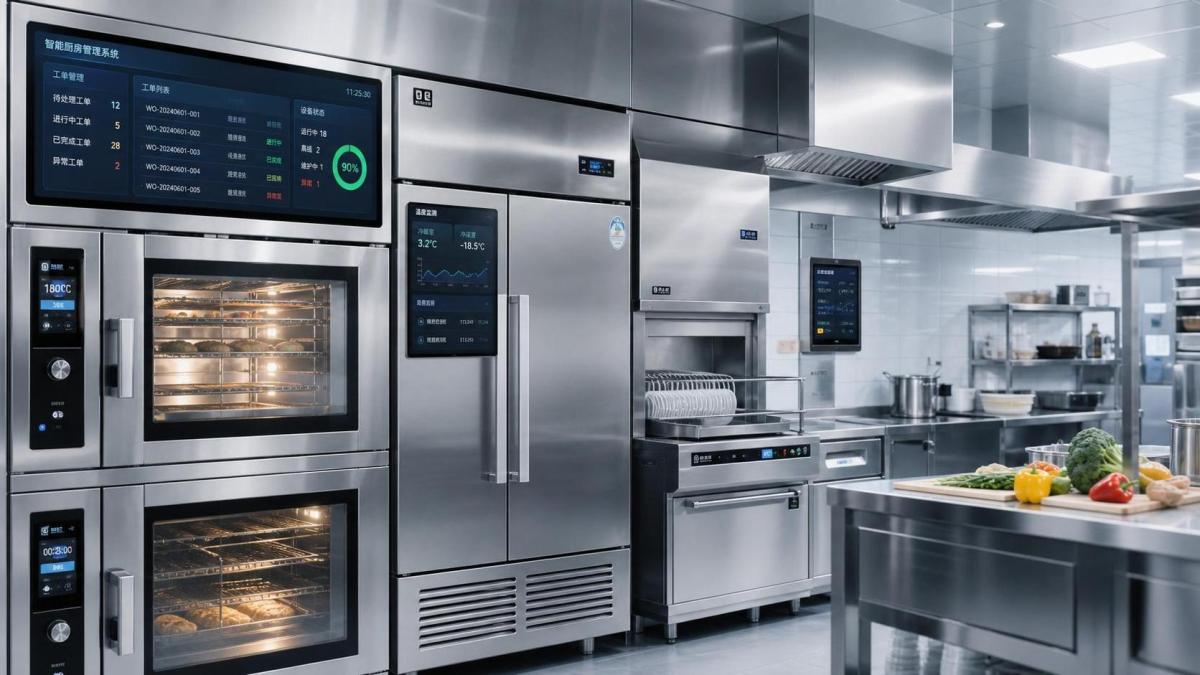
From recent market changes, one signal is clear.
Commercial kitchens now expect digital visibility, better equipment integration, and stronger energy management.
This also means system selection must focus on practical fit.
The best smart restaurant kitchen solutions support real workflows, scale with demand, and reduce operational friction over time.
Start With Workflow Visibility
Workflow visibility should be the first checkpoint in any selection process.
If a platform cannot show what happens across prep, cooking, holding, and cleaning, it will be hard to improve performance.
Good smart restaurant kitchen solutions make bottlenecks visible in near real time.
They track cycle times, station loads, order queues, and idle equipment.
In actual operations, these details matter more than broad dashboard claims.
- Order routing across hot line, cold line, and finishing stations
- Live task status for prep and cooking teams
- Alerts for delays, queue build-up, or missed handoffs
- Reporting by shift, menu item, or station
If visibility is weak, later automation often amplifies confusion instead of solving it.
Food Safety Functions Cannot Be Secondary
Food safety is a core buying criterion, not an extra module.
Smart restaurant kitchen solutions should support automatic temperature logging, cleaning records, and traceable compliance workflows.
Manual logs still exist in many kitchens, but they create gaps.
Missed readings, delayed uploads, and inconsistent records increase audit risk.
A stronger system turns safety routines into repeatable digital actions.
- Continuous monitoring for cold storage and hot holding
- Automatic alerts when thresholds are exceeded
- Digital sanitation checklists with timestamps
- Product traceability linked to batches or lots
This is especially important for restaurants with multiple outlets or central kitchen support.
The more sites involved, the more valuable standardized smart restaurant kitchen solutions become.
Check Equipment Integration Early
Integration is often where selection projects succeed or fail.
A kitchen may already use combi ovens, refrigeration, dishwashing units, sensors, and POS-linked ticket systems.
If new smart restaurant kitchen solutions cannot connect with existing equipment, teams end up managing separate data islands.
That adds training burden and limits reporting accuracy.
During evaluation, it helps to ask very direct questions.
- Which protocols or APIs are supported?
- Can the platform integrate with legacy equipment?
- Is data exchange one-way or two-way?
- How difficult is future expansion across new sites?
In practice, the most useful smart restaurant kitchen solutions do not force full replacement on day one.
They allow phased rollout while protecting previous equipment investment.
Look for Actionable Data, Not Just More Data
Many platforms promise analytics, but raw data alone has limited value.
Smart restaurant kitchen solutions should convert operational data into clear decisions.
This includes identifying wasted energy, inconsistent cooking cycles, labor imbalance, and maintenance risk.
The key question is simple.
Can users quickly act on what the system shows?
The best smart restaurant kitchen solutions help managers see what changed, why it changed, and what to fix next.
Energy Management Should Be Built In
Energy costs now affect kitchen design decisions more than before.
For that reason, smart restaurant kitchen solutions should include energy monitoring and control functions from the start.
This is not only about sustainability language.
It is about measurable operating cost and equipment efficiency.
Useful functions usually include load scheduling, standby control, and energy use benchmarking by equipment type.
- Track peak demand by hour or service period
- Compare actual use against expected consumption
- Detect equipment running outside planned schedules
- Support preventive actions before utility costs rise
In a large restaurant group, these functions often create value faster than more advanced automation features.
Do Not Overlook Maintenance and Uptime
A smart system is only useful when kitchen equipment stays available during service.
That is why maintenance support should be part of smart restaurant kitchen solutions evaluation.
Predictive maintenance features can reduce unplanned downtime, especially for high-use assets.
Examples include fryers, ovens, refrigeration systems, and ventilation equipment.
Selection teams should review whether the solution can monitor performance trends, detect anomalies, and trigger service workflows.
A platform that only reports failure after shutdown offers limited protection.
Better smart restaurant kitchen solutions identify warning patterns before service is affected.
User Experience Still Matters
Even strong functions can fail if the interface is hard to use.
Kitchen teams work under pressure, often with limited time for training.
Smart restaurant kitchen solutions should make common tasks easy, fast, and consistent.
Look for clear screens, simple workflows, role permissions, and mobile-friendly access where needed.
More importantly, test how the system behaves during a busy shift scenario.
In real business settings, ease of use directly affects compliance and adoption.
A Practical Selection Framework
When comparing smart restaurant kitchen solutions, a structured approach helps reduce selection bias.
Start with business priorities, then map each function to a measurable outcome.
A simple framework often works best.
- Define current workflow pain points and compliance gaps
- List required integrations with equipment and software
- Prioritize functions by operational value, not novelty
- Request demos using real kitchen scenarios and data
- Compare total cost, scalability, support, and upgrade path
This kind of process keeps attention on fit, risk, and long-term return.
It also makes discussions with suppliers more specific and more productive.
Final Takeaway
The market for commercial kitchen technology is moving toward automation, connectivity, and energy efficiency.
Still, not every platform delivers equal value.
The most effective smart restaurant kitchen solutions support workflow visibility, food safety, integration, actionable data, energy control, and uptime.
If those functions are evaluated early, system selection becomes much clearer.
Before making a final decision, review each shortlisted option against actual kitchen conditions.
That step usually reveals which smart restaurant kitchen solutions can create measurable, long-term operational value.
Popular Tags
Kitchen Industry Research Team
Dedicated to analyzing emerging trends and technological shifts in the global hospitality and foodservice infrastructure sector.
Industry Insights
Join 15,000+ industry professionals. Get the latest market trends and tech news delivered weekly.
No spam. Unsubscribe anytime.
Hot Articles
Contact With us
Contact:
Anne Yin (Ceramics Dinnerware/Glassware)
Lucky Zhai(Flatware)