
Kitchenware Materials Compared: Glass, Stainless Steel, Silicone, and Ceramic
Kitchenware material choices shape more than appearance. They influence food safety, temperature control, cleaning time, breakage risk, and replacement cost across household and commercial kitchens.
That matters even more in a kitchen equipment market focused on efficiency, hygiene, and longer service life. Glass, stainless steel, silicone, and ceramic remain common because each solves a different set of daily problems.
A useful comparison starts with actual use. Storage, prep, baking, serving, and high-volume operations place very different demands on kitchenware, so no single material is automatically the best choice.
Why Material Choice Has Become More Important
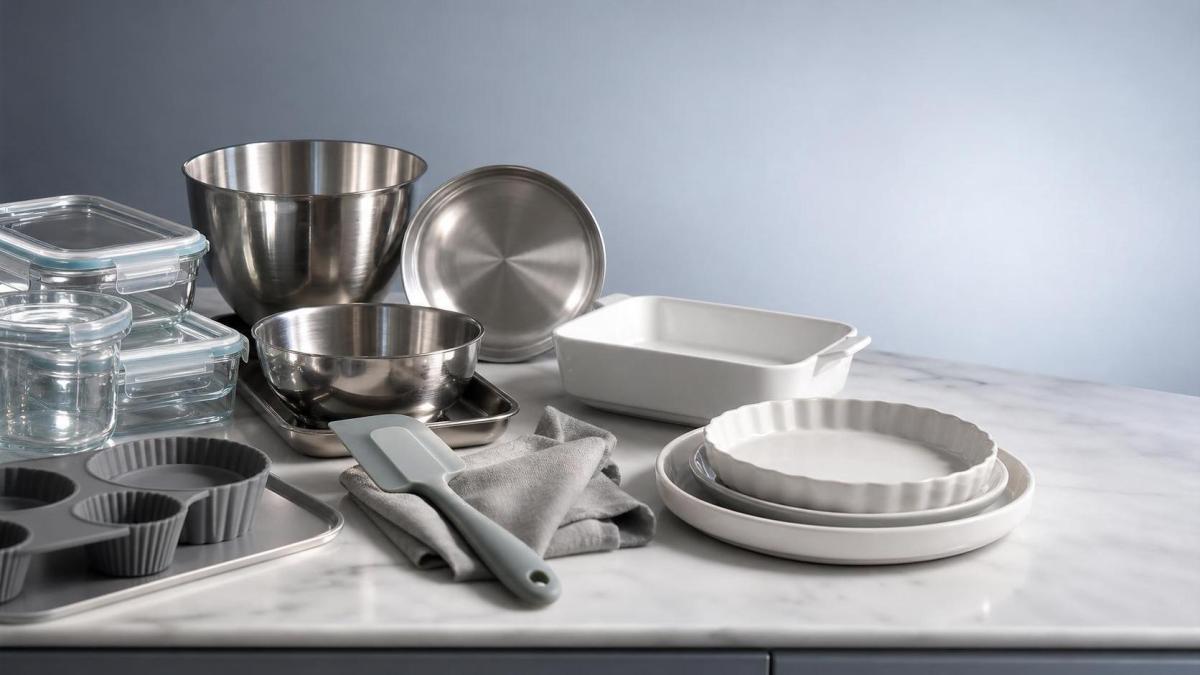
In foodservice and food processing, material selection now sits closer to operational planning. Equipment buyers increasingly look beyond price and ask how kitchenware performs under heat, moisture, chemicals, and repeated handling.
The same shift appears in residential kitchens. People expect containers, utensils, and cookware to support safe storage, simple maintenance, and compatibility with ovens, dishwashers, and induction systems.
Global trade has also widened the available range of kitchenware. Products from major manufacturing centers now compete on durability, certifications, finish quality, and energy-conscious design rather than basic function alone.
As smart and integrated kitchens expand, material consistency becomes easier to measure. That raises expectations for predictable performance, especially where hygiene standards and workflow efficiency directly affect service quality.
A Practical View of the Four Materials
These four materials appear across overlapping categories of kitchenware, yet they behave differently when exposed to impact, acids, oils, rapid heating, or long storage cycles.
Glass
Glass kitchenware is valued for neutrality. It does not easily absorb odors, stains, or flavors, which makes it useful for storage, baking, and ingredient visibility.
It also supports a cleaner presentation. In display or service settings, clear glass helps staff identify contents quickly and reduces unnecessary opening or relabeling.
Its main limit is fragility. Even tempered versions can chip or shatter under impact, and sudden temperature changes may still create stress.
Stainless Steel
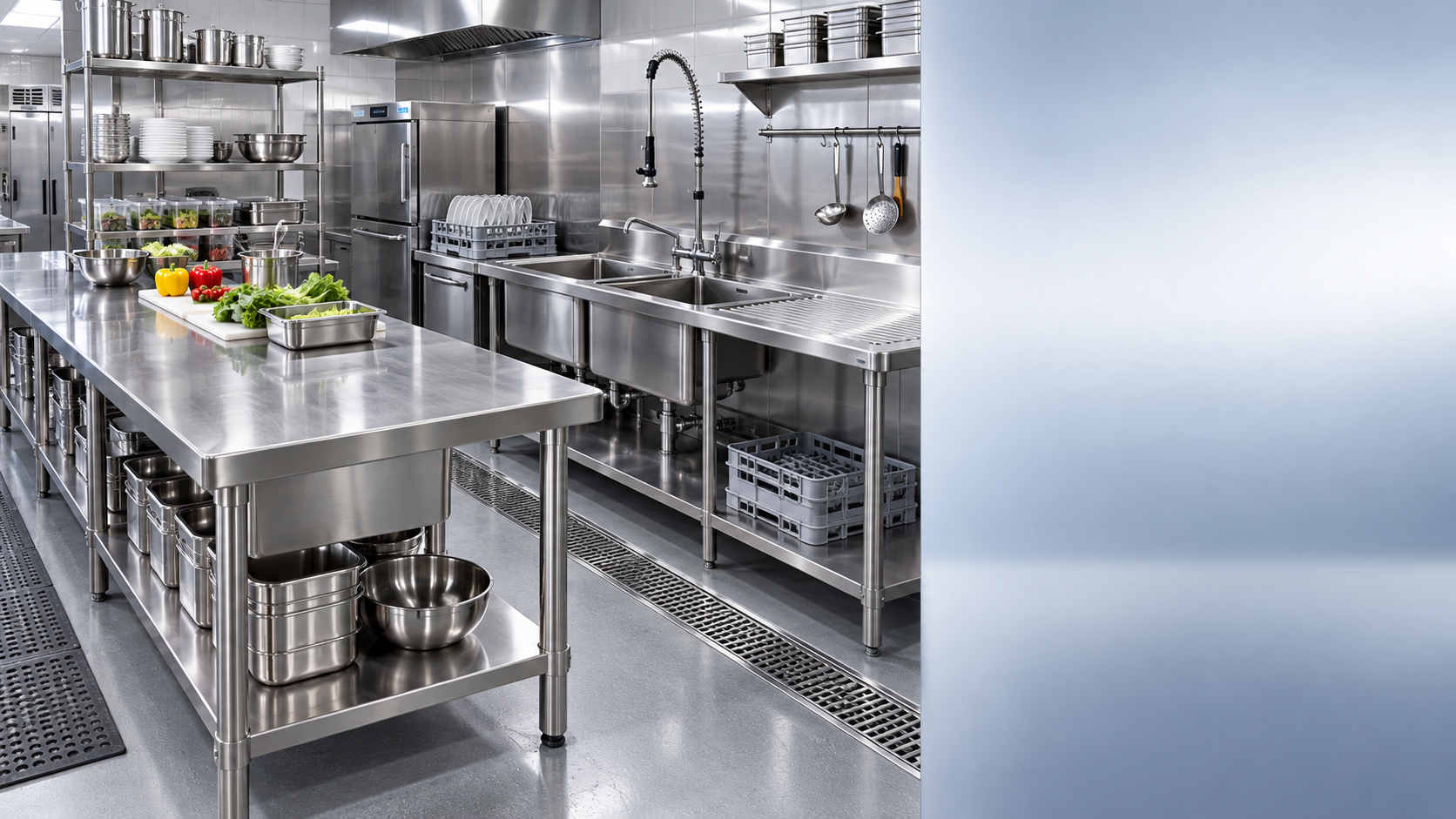
Stainless steel kitchenware is often the benchmark for durability. It handles heavy use, resists corrosion, and fits demanding prep environments where tools move quickly between tasks.
It is especially common in restaurants, central kitchens, and food processing spaces. Strength, low breakage risk, and ease of sanitation make it dependable for repetitive operations.
Still, performance depends on grade and construction. Thin steel may warp, and poor finishing can reduce stain resistance or create cleaning issues around joints.
Silicone
Silicone kitchenware stands out for flexibility and heat tolerance. It is widely used for spatulas, baking molds, lids, grips, and collapsible storage items.
In actual use, silicone protects coated surfaces and lowers scratching risk. It also stores efficiently because many items can fold, stack, or compress.
Quality varies sharply, though. Lower-grade silicone may retain odors, feel unstable at high heat, or perform poorly after repeated washing cycles.
Ceramic
Ceramic kitchenware is often chosen for baking, serving, and table presentation. It retains heat well and supports a more finished look in both hospitality and home settings.
Many users prefer ceramic for dishes that move directly from oven to table. That reduces transfers and can simplify service in smaller kitchens.
The tradeoff is weight and breakage risk. Glaze quality also matters, especially where repeated heating, acidic foods, or intensive washing are common.
How the Materials Compare in Daily Use
A side-by-side view makes the differences clearer. The best kitchenware choice usually depends on which performance factor matters most in the intended setting.
In simple terms, glass favors visibility and purity, stainless steel favors resilience, silicone favors flexibility, and ceramic favors heat retention and presentation.
Where Each Material Fits Best
Kitchenware works best when matched to a clear task. Material mistakes often happen when one item is expected to perform well in every stage of cooking and storage.
Storage and ingredient handling
Glass is often preferred for visible storage and acidic ingredients. Stainless steel works better where impact resistance and fast turnover matter more than content visibility.
Prep lines and high-volume kitchens
Stainless steel kitchenware usually leads here. It tolerates knocks, frequent washing, and temperature variation better than more delicate materials.
Baking and nonstick cookware support
Silicone tools are valuable around coated pans and molds. They reduce abrasion and make release easier, especially for sticky mixtures or detailed shapes.
Table service and oven-to-table presentation
Ceramic fits settings where appearance matters alongside function. It holds warmth and gives plated or shared dishes a more composed presentation.
What to Check Before Choosing Kitchenware
Material names alone are not enough. Actual performance depends on thickness, finish, manufacturing quality, and how the item will be cleaned, heated, stored, and moved.
- Check heat limits, especially for silicone and glass.
- Review food-contact compliance and coating details.
- Look for smooth edges, stable handles, and solid joints.
- Compare dishwasher, freezer, microwave, and oven compatibility.
- Consider replacement rates in busy operations.
- Balance presentation needs against breakage exposure.
It is also worth separating short-term convenience from long-term cost. A cheaper kitchenware option may create more waste, more downtime, or more frequent replenishment.
Why This Comparison Matters Across the Industry
Material choices connect directly with wider kitchen equipment trends. Food safety expectations are higher, energy use is under scrutiny, and kitchen systems are becoming more integrated.
That pushes kitchenware selection closer to overall workflow design. The right material can support portion control, cleaning efficiency, safer storage, and smoother movement between prep, cooking, and service.
In emerging and mature markets alike, buyers are also watching durability and sustainability more closely. Products that last longer and perform consistently can reduce waste and operational friction.
This is why comparison matters even for familiar items. A bowl, spatula, tray, or container may seem simple, yet material decisions affect the wider kitchen environment.
A Better Way to Make the Final Choice
The most practical approach is to map kitchenware by task instead of buying by material alone. Start with what the item must endure, then match that need to the strongest material profile.
For visible storage and non-reactive contact, glass is often the better fit. For intensive prep and long service life, stainless steel usually makes more sense.
For flexible tools and mold release, silicone deserves attention. For baking, serving, and heat-holding presentation, ceramic remains a strong option.
A useful next step is to compare current kitchenware by breakage, cleaning time, heat exposure, and replacement frequency. That creates a clearer basis for selecting materials that fit real kitchen conditions.
Popular Tags
Kitchen Industry Research Team
Dedicated to analyzing emerging trends and technological shifts in the global hospitality and foodservice infrastructure sector.
Industry Insights
Join 15,000+ industry professionals. Get the latest market trends and tech news delivered weekly.
No spam. Unsubscribe anytime.
Hot Articles
 Kitchen Tools for Restaurants That Reduce Prep Bottlenecks During Peak Service
- How to Choose a Leak-Proof Glass Storage Container for Meal Prep and Transport
- How to Size a Commercial Charbroiler for Peak-Hour Restaurant Output
- How to Specify Stainless Steel Kitchen Equipment for High-Volume Commercial Kitchens
Contact With us
Contact:
Anne Yin (Ceramics Dinnerware/Glassware)
Lucky Zhai(Flatware)