
Stoneware Mug Buying Guide: Material, Capacity, Glaze, and Daily Use Differences
Stoneware Mug Buying Guide: Material, Capacity, Glaze, and Daily Use Differences
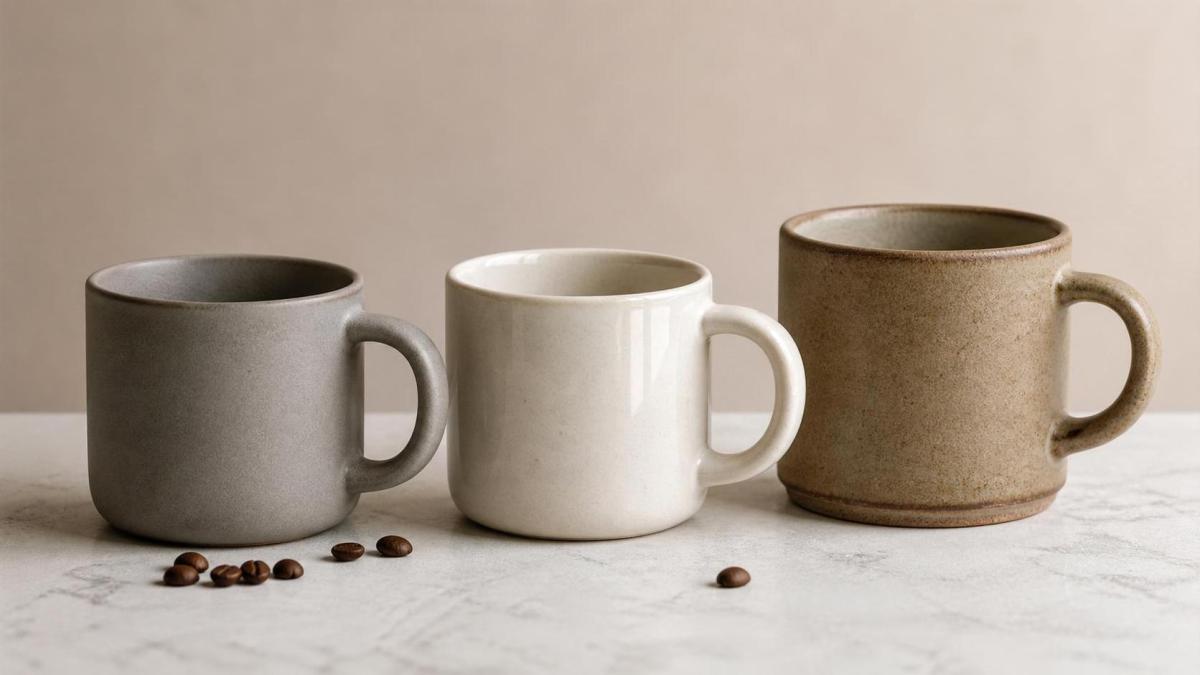
Choosing a stoneware mug is not just about color or shape. Small material details change comfort, safety, heat retention, and how well the mug holds up over time.
That matters more now because daily drinkware is expected to do more. A good stoneware mug should look right, feel balanced, and survive constant use.
This guide breaks down practical differences in clay body, glaze, size, and handling. The goal is simple: help narrow options and avoid paying for features that do not match real habits.
In the broader kitchen equipment market, buyers are also paying closer attention to durability, food safety, and long-term value. The same logic applies when picking a stoneware mug.
What Makes a Stoneware Mug Different
A stoneware mug is usually made from dense clay fired at high temperatures. That process creates a sturdy body with better chip resistance than many lightweight ceramic alternatives.
Compared with porcelain, stoneware often feels thicker and more grounded in the hand. Compared with earthenware, it is generally less porous and better suited for regular hot drinks.
This difference affects daily use in obvious ways. A stoneware mug tends to keep beverages warm longer, but it may also feel heavier when full.
That tradeoff is worth thinking about before purchase. A mug that looks attractive on a shelf may become less appealing if it feels bulky every morning.
Core Material Traits to Check
- Density: denser clay usually means better durability and slower heat loss.
- Wall thickness: thicker walls improve insulation but add weight.
- Firing quality: even firing supports strength and reduces weak spots.
- Base finish: a smooth foot ring helps prevent scratching tables.
How Glaze Affects Safety, Feel, and Maintenance
Glaze is not only decorative. On a stoneware mug, it influences food contact safety, stain resistance, cleaning effort, and even how the rim feels while drinking.
A well-made glaze should be smooth, stable, and free from obvious pinholes or crawling. Uneven glaze can trap residue or create a rough drinking surface.
For cost-conscious buying, glaze quality matters because it affects lifespan. A cheaper stoneware mug may look fine at first but craze, stain, or dull quickly.
Food-safe labeling is worth checking carefully. Lead-free and cadmium-safe claims are especially important for drinkware used daily with hot liquids.
Glossy vs Matte Glaze
Glossy glaze is usually easier to wipe clean. It also tends to resist coffee and tea marks better in normal household use.
Matte glaze offers a softer visual style and more grip. Still, some matte surfaces show oils, spoon marks, or staining faster.
Neither option is automatically better. The right stoneware mug depends on whether appearance, tactile feel, or low-maintenance cleaning ranks highest.
Quick Glaze Inspection Before Buying
- Check the rim for roughness or visible glaze gaps.
- Look inside for pinholes, bubbles, or dark specks.
- Read care labels for dishwasher and microwave compatibility.
- Prefer clear safety information from known makers or retailers.
Choosing the Right Capacity for Daily Drinking
Capacity changes the entire user experience. A stoneware mug that is too small leads to constant refills, while one that is too large may feel awkward and heavy.
Many shoppers focus on appearance first, then regret ignoring volume. In practice, capacity should match beverage type, routine, and hand comfort.
Common Size Ranges
- 8 to 10 oz: best for espresso-based drinks, tea, or smaller servings.
- 11 to 14 oz: the most flexible range for coffee, tea, and cocoa.
- 15 to 18 oz: useful for long mornings, lattes, or office use.
- 18 oz and above: better for those who prefer fewer refills.
The most practical stoneware mug for many homes sits in the middle range. It balances warmth, handling, and storage without taking up too much cabinet space.
From a cost perspective, larger mugs are not always better value. More material increases weight, shelf space needs, and sometimes breakage risk when dropped.
Capacity and Real Use Should Match
For black coffee drinkers, a 12 oz stoneware mug is often enough. For milk-heavy drinks, extra volume leaves room without making spills more likely.
If the mug will be shared across a household, neutral mid-size options usually work best. They cover the widest range of habits with the fewest compromises.
Handle Design, Weight, and Heat Retention
A stoneware mug can have ideal capacity and still feel wrong. Handle shape, empty weight, and wall thickness strongly influence comfort during repeated use.
Look for a handle that allows two or three fingers comfortably. Tight handles may look elegant but often feel inconvenient during rushed mornings.
Weight becomes more noticeable when the mug is full. Dense stoneware improves heat retention, yet an overly heavy body can be tiring for some users.
This is where daily use differences become clear. A balanced stoneware mug feels secure in one hand and does not tip easily on a desk or countertop.
Practical Comfort Checklist
- The handle should not press sharply into the fingers.
- The mug should sit flat without rocking.
- The rim should feel smooth and even.
- The mug should stay stable when filled near the top.
Microwave, Dishwasher, and Durability Questions
Many people expect a stoneware mug to handle everything. In reality, daily durability depends on material quality, glaze stability, and how the mug was finished.
Microwave-safe labels are important because some decorative finishes react poorly to heat. Metallic details, hand-painted accents, or specialty glazes may limit safe use.
Dishwasher-safe claims also deserve attention. Frequent machine washing can dull low-quality glaze, soften printed decoration, or expose weak edges over time.
A reliable stoneware mug should survive routine washing, occasional reheating, and regular shelf movement without obvious wear after a short period.
Warning Signs of Lower Long-Term Value
- Very thin handles joined with small attachment points.
- Uneven base or visible warping.
- Glaze cracks, cloudy patches, or rough interior surfaces.
- Unclear safety and care information.
Price, Value, and When to Spend More
The best stoneware mug is not always the cheapest or the most expensive. Good buying decisions come from matching price to performance, not chasing branding alone.
Budget options can work well for occasional use or larger household sets. Premium options make more sense when finish quality, design consistency, and longevity matter more.
From a kitchen equipment perspective, value increasingly means durability plus efficiency. Buying one dependable stoneware mug can be smarter than replacing lower-cost pieces repeatedly.
Simple Value Comparison Table
How to Choose the Best Stoneware Mug for Your Routine
A final decision gets easier when priorities are clear. Start with how often the mug will be used, what you drink most, and whether easy cleaning matters more than style.
For everyday coffee, choose a stoneware mug with a smooth glaze, mid-range capacity, and a comfortable handle. That combination covers the broadest range of daily needs.
For gifting or curated kitchen aesthetics, visual finish may carry more weight. Even then, it is worth checking safety, balance, and care requirements before buying.
The strongest purchase decisions usually come from small details, not flashy claims. A well-chosen stoneware mug should fit naturally into daily life from the first week onward.
Before checkout, compare material density, glaze quality, capacity, and maintenance needs side by side. That quick review helps turn a simple mug purchase into a better long-term value choice.
Popular Tags
Kitchen Industry Research Team
Dedicated to analyzing emerging trends and technological shifts in the global hospitality and foodservice infrastructure sector.
Industry Insights
Join 15,000+ industry professionals. Get the latest market trends and tech news delivered weekly.
No spam. Unsubscribe anytime.
Hot Articles


Contact With us
Contact:
Anne Yin (Ceramics Dinnerware/Glassware)
Lucky Zhai(Flatware)