
Kitchen Shelf Buying Guide: Load Capacity, Material, and Mounting Options Compared
A well-chosen Kitchen Shelf does more than hold supplies. It shapes movement, cleaning routines, and day-to-day safety. In busy kitchens, storage decisions affect speed, hygiene, and equipment life. That is why load capacity, material, and mounting options deserve closer comparison before any shelf is installed.
Why shelf selection matters in today’s kitchen environment
The kitchen equipment sector now serves restaurants, hotels, food processing sites, central kitchens, and homes with higher expectations than before.
Operators need storage that supports food safety, organized workflow, and efficient use of limited space. A Kitchen Shelf sits at the center of those daily needs.
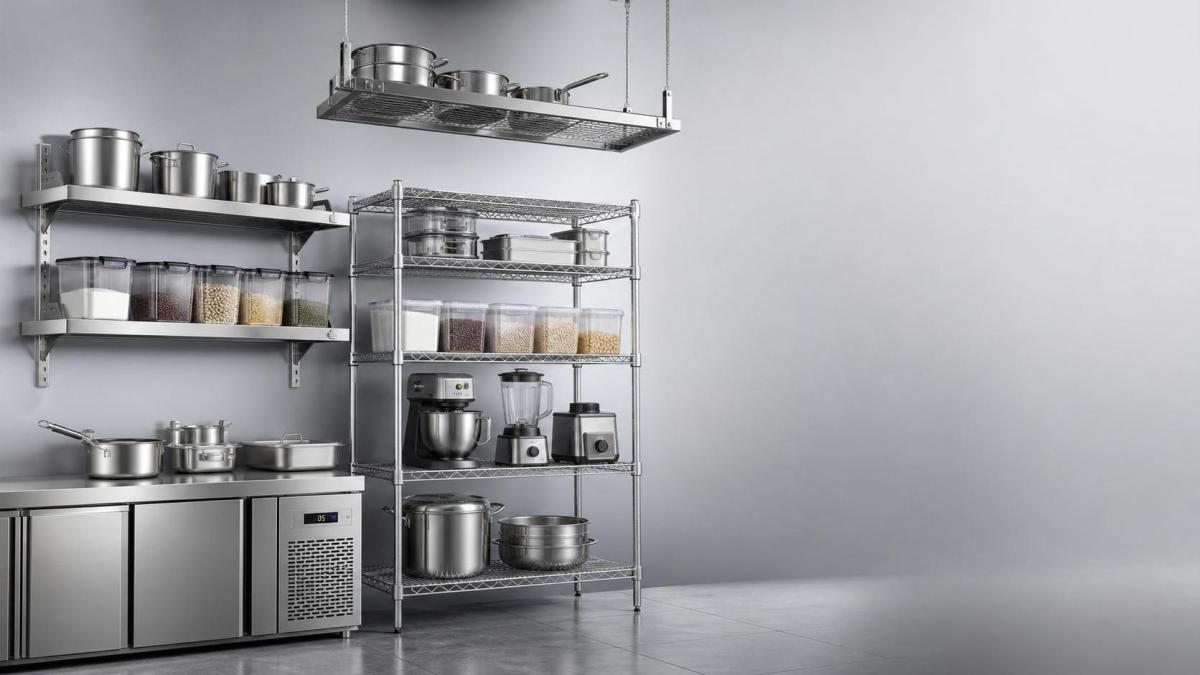
That need is becoming more visible as kitchens adopt smarter equipment, tighter sanitation standards, and more structured inventory control.
Even where automation is growing, simple storage hardware still affects whether ingredients, tools, and small appliances stay accessible and protected.
Understanding what a Kitchen Shelf must actually do
A Kitchen Shelf is not only a flat surface for storage. It is part of the wider kitchen system.
It may hold dry goods, pans, containers, cleaning chemicals, countertop equipment, or prepared items waiting for the next step.
Because of that, shelf performance should be judged by actual use conditions rather than appearance alone.
In practical terms, the right choice depends on three linked questions: how much weight it carries, what environment it faces, and how it connects to the wall, rack, or work area.
Load capacity is about more than maximum weight
Many buyers focus on the posted load rating, but daily reality is more complex. Weight distribution matters as much as the number on a specification sheet.
A Kitchen Shelf holding evenly spaced containers performs differently from one carrying a heavy mixer at the center.
Frequent loading and unloading also create stress over time. Vibration, moisture, and accidental impacts can reduce stability long before visible failure appears.
Key load questions to check
- What is the heaviest item the shelf will carry regularly?
- Will weight stay evenly spread or concentrate in one area?
- Does the shelf hold static storage or equipment used during operation?
- Will the contents change often during each shift?
- Is there enough safety margin for peak loads?
As a rule, shelves used for appliances, bulk ingredients, or metal containers should not be selected at the minimum acceptable rating.
A reserve margin helps reduce sagging, loosening, and premature replacement.
Material choice affects hygiene, durability, and maintenance
Material selection often decides whether a Kitchen Shelf stays reliable after repeated cleaning, heat exposure, and contact with moisture or grease.
Different environments call for different priorities. A dry storage room does not challenge materials the same way as a wash area or hot line.
Common materials compared
Stainless steel remains a common benchmark because it suits hygiene-sensitive areas and aligns with the broader move toward durable, efficient kitchen equipment.
Still, not every shelf needs the same grade or finish. Matching the material to the real environment usually delivers better value than over-specifying every location.
Mounting options change how space works
Mounting style influences accessibility, floor clearance, cleaning effort, and future layout changes. This is where many storage plans either become efficient or frustrating.
Wall-mounted shelves
A wall-mounted Kitchen Shelf frees floor space and keeps frequently used items within reach. It works well near prep stations, sinks, and packing areas.
The wall structure matters here. Load capacity depends on anchors, studs, bracket quality, and installation accuracy, not only on the shelf itself.
Freestanding units
Freestanding shelves offer flexibility and are easier to reposition when workflow changes. They suit storerooms, central kitchens, and spaces with evolving inventory patterns.
They also reduce dependence on wall condition, though they need enough aisle space and stable leveling.
Ceiling-hung or overhead shelves
Overhead options can save valuable prep space, especially above islands or worktables. They are practical for light tools, pans, or containers used often.
However, these systems demand precise installation and careful attention to head clearance, swing, and cleaning access.
Matching the shelf to the setting
A Kitchen Shelf should be selected by zone, not by a single general preference. Each area creates different storage pressure.
Typical use patterns
- Prep areas need easy access, smooth cleaning, and stable support for ingredients and tools.
- Dry storage benefits from adjustable shelving and good visibility for stock rotation.
- Washing zones require moisture resistance and fewer hard-to-clean joints.
- Cold rooms often need materials that handle condensation and temperature variation.
- Home kitchens may prioritize appearance, compact dimensions, and mixed-use convenience.
In larger operations, shelf planning also connects with digital inventory habits, labeling, and tighter process control.
That fits the wider industry shift toward integrated kitchen systems where storage supports traceability and faster movement.
Practical checks before making a final decision
A strong specification is useful, but field conditions decide long-term performance. Small checks before purchase often prevent expensive corrections later.
What to review on site
- Measure actual usable depth, not only wall length.
- Confirm door swing, equipment clearance, and walking routes.
- Check wall strength and mounting surface condition.
- Review cleaning chemicals used in that area.
- Estimate future load growth, not only current stock.
- Consider whether adjustable heights will be needed later.
It is also worth comparing whether one large Kitchen Shelf or several smaller units will create better control and easier maintenance.
Smaller sections may reduce overload risk and make cleaning interruptions less disruptive.
A clearer way to compare options
When choices look similar, a simple comparison method helps. Rate each Kitchen Shelf against the conditions it will actually face.
This kind of comparison keeps attention on function instead of only finish, price, or catalog appearance.
Where to go next
The best Kitchen Shelf is usually the one that matches real workflow, expected load, and cleaning demands without wasting space or overspending on unnecessary features.
A useful next step is to review each kitchen zone separately, list the heaviest and most frequent items, and compare materials and mounting methods against those conditions.
That approach creates a clearer basis for selection and helps storage perform as part of a safer, more efficient kitchen system.
Popular Tags
Kitchen Industry Research Team
Dedicated to analyzing emerging trends and technological shifts in the global hospitality and foodservice infrastructure sector.
Industry Insights
Join 15,000+ industry professionals. Get the latest market trends and tech news delivered weekly.
No spam. Unsubscribe anytime.
Hot Articles
 How to Size a Commercial Oven for Peak Production Without Wasting Energy
- How to Evaluate Foodservice Equipment Suppliers for Reliability, Service, and Total Cost
- How to Choose a Cutlery Set for Restaurants: Material, Durability, and Cost
- How to Evaluate Restaurant Supplies Distributors for Reliable Multi-Location Delivery


Contact With us
Contact:
Anne Yin (Ceramics Dinnerware/Glassware)
Lucky Zhai(Flatware)