
RCEP AI Kitchen Device Mutual Recognition Takes Effect
On May 15, 2026, the Regional Comprehensive Economic Partnership (RCEP) Secretariat, together with the ASEAN Advisory Committee on Quality (ASEAN-ACQ) and Standards Australia/Standards New Zealand (SA/Standards NZ), jointly announced the formal inclusion of China’s AI Safety Technical Specification for Smart Kitchen Appliances (GB/T 42672–2026) into the RCEP regional mutual recognition framework. This development directly impacts manufacturers, exporters, and service providers in the smart home and kitchen appliance sector—particularly those engaged in cross-border trade with ASEAN member states and Australia/New Zealand—by streamlining conformity assessment requirements rooted in cybersecurity and voice interaction localization.
Event Overview
On May 15, 2026, the RCEP Secretariat, ASEAN-ACQ, and SA/Standards NZ issued a joint statement confirming that GB/T 42672–2026 is now recognized as a mutually accepted standard across the RCEP region. Effective immediately, smart kitchen devices manufactured in China and certified to this standard—including AI-powered cooking robots and AI-controlled steam-convection ovens—are exempt from duplicate cybersecurity evaluations and voice interface localization testing when entering markets in the ten ASEAN countries, Australia, and New Zealand. As a result, customs clearance time is reduced by 5–8 working days.
Impact on Industry Subsegments
Direct Trading Enterprises: Exporters of smart kitchen appliances face significantly lower market-entry barriers. The exemption eliminates redundant third-party lab testing and certification costs—estimated at USD 8,000–15,000 per model per jurisdiction—and shortens time-to-market. However, eligibility requires full compliance with GB/T 42672–2026’s AI behavior transparency, data handling, and over-the-air update security clauses—not just nominal alignment.
Raw Material Procurement Enterprises: Suppliers of critical components—such as AI edge chips, voice recognition modules, and thermal sensors—may see increased demand, but only if their components support traceable firmware integrity and documented localization readiness. Purchasing teams must now verify upstream suppliers’ adherence to GB/T 42672–2026’s software bill-of-materials (SBOM) and secure boot requirements, adding technical due diligence to procurement workflows.
Manufacturing Enterprises: Original Equipment Manufacturers (OEMs) and contract manufacturers must revalidate production control plans against GB/T 42672–2026’s AI-specific test protocols—including adversarial voice input resilience and fail-safe temperature escalation logic. Unlike general product safety standards, this specification mandates real-time logging of AI decision triggers during thermal regulation, implying new factory-level data capture infrastructure.
Supply Chain Service Providers: Logistics firms, customs brokers, and conformity assessment bodies must update documentation templates and staff training to reflect the new mutual recognition status. Notably, self-declaration remains insufficient: verification still requires accredited third-party certification under China’s CNAS system or its RCEP-recognized equivalents. Service providers advising clients must distinguish between ‘certification accepted’ and ‘testing waived’—a nuance affecting liability allocation in contracts.
Key Focus Areas and Recommended Actions
Verify Standard Alignment Beyond Labeling
Companies should conduct gap assessments between current product design controls and GB/T 42672–2026’s AI behavior validation requirements—notably Sections 6.3 (voice command spoofing resistance) and 7.2 (overheat mitigation autonomy). Certification bodies report that over 40% of initial submissions fail on undocumented fallback logic during network disconnection.
Update Documentation for RCEP Customs Declarations
Export documentation must now explicitly reference GB/T 42672–2026 compliance and include the certificate number issued by a CNAS-accredited body. ASEAN customs authorities have begun flagging declarations missing this linkage—even when other safety certificates are present—causing delays in the first month of implementation.
Review Local Partner Agreements
Distributors and local representatives in ASEAN/AU/NZ may need contractual amendments to clarify responsibility for post-market AI model updates and associated cybersecurity patch deployment—a requirement embedded in Clause 8.4 of GB/T 42672–2026 but often omitted from legacy commercial agreements.
Editorial Perspective / Industry Observation
Observably, this mutual recognition marks the first time an AI-specific national standard has achieved multilateral acceptance under RCEP—signaling a shift from hardware-centric harmonization toward algorithmic governance interoperability. Analysis shows that while the immediate benefit lies in procedural efficiency, the longer-term implication is normative: GB/T 42672–2026’s emphasis on explainable AI decision trees and localized voice intent mapping may begin influencing upcoming revisions to IEC 62443-4-2 and ISO/IEC 27001 Annex A.8.2. From an industry perspective, it is more accurate to interpret this not as a ‘regulatory shortcut’, but as the institutionalization of AI accountability as a trade-enabling condition.
Conclusion
This mutual recognition does not eliminate regulatory scrutiny—it relocates and refines it. For the smart kitchen appliance industry, the effect is dual: accelerated access to 12 high-potential markets, coupled with heightened expectations for verifiable AI governance. The real benchmark will be whether this precedent catalyzes similar pathways for other AI-integrated consumer device categories—or remains confined to the narrowly defined scope of domestic cooking automation.
Source Attribution
Official sources: Joint Statement No. RCEP/ACQ/SA-NZ/2026/01 (May 15, 2026), published on the RCEP Portal (www.rcepsecretariat.org); ASEAN-ACQ Circular ACQ-2026-07; SA/Standards NZ Notice SNZ/2026/22. Ongoing monitoring is advised for implementation guidelines expected from ASEAN’s Harmonized Technical Regulations Secretariat (HTRS) and the Australian Department of Industry and Science’s AI Conformity Framework update (Q3 2026).
Popular Tags
Kitchen Industry Research Team
Dedicated to analyzing emerging trends and technological shifts in the global hospitality and foodservice infrastructure sector.
Industry Insights
Join 15,000+ industry professionals. Get the latest market trends and tech news delivered weekly.
No spam. Unsubscribe anytime.
Hot Articles
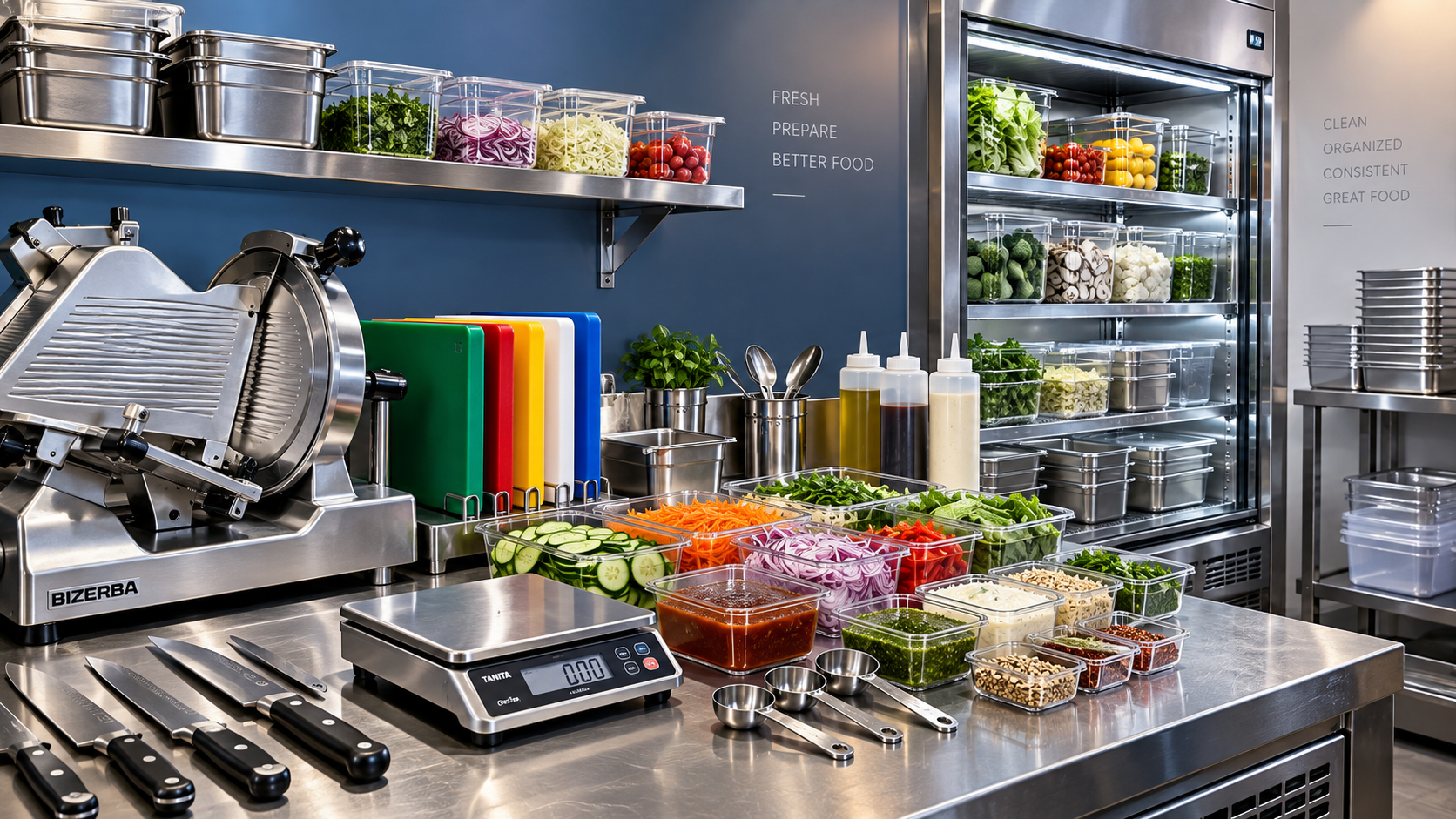
 Kitchen Tools for Restaurants That Reduce Prep Bottlenecks During Peak Service
- How to Choose a Leak-Proof Glass Storage Container for Meal Prep and Transport
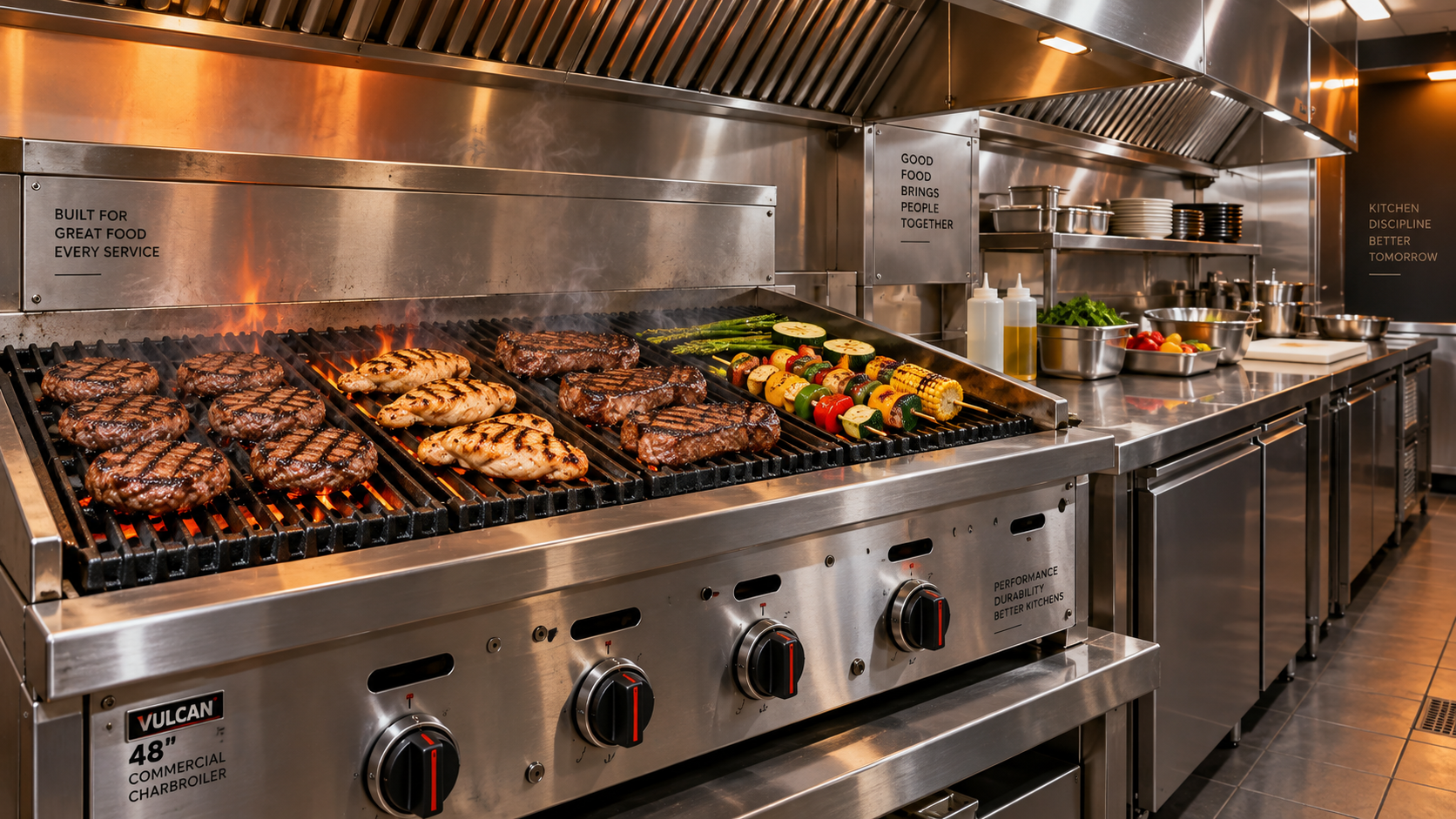
- How to Size a Commercial Charbroiler for Peak-Hour Restaurant Output
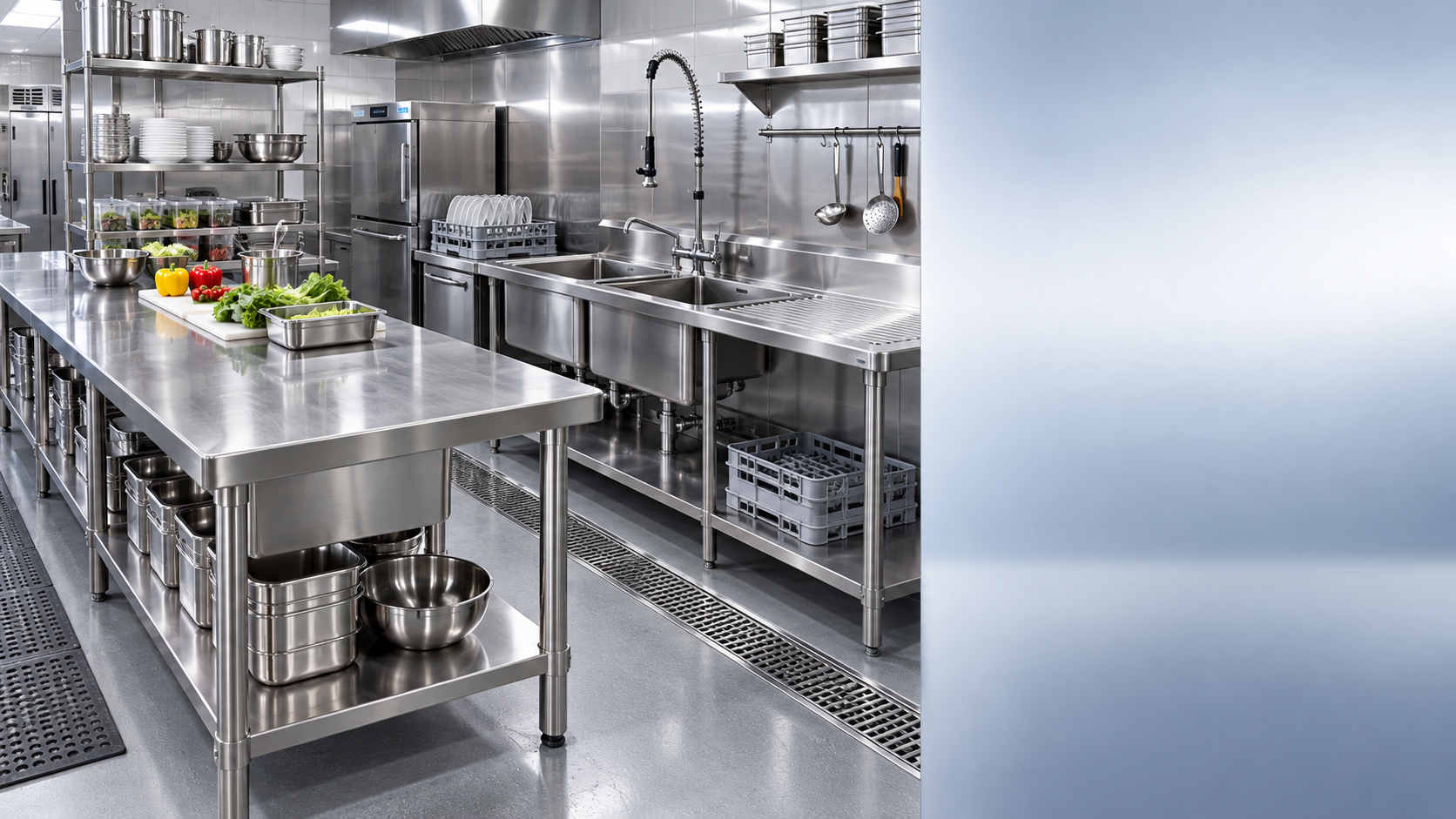
- How to Specify Stainless Steel Kitchen Equipment for High-Volume Commercial Kitchens

Contact With us
Contact:
Anne Yin (Ceramics Dinnerware/Glassware)
Lucky Zhai(Flatware)