
Ceramic Dinner Set Buying Guide: Materials, Piece Counts, and Everyday Use
Ceramic Dinner Set Buying Guide: Materials, Piece Counts, and Everyday Use
Choosing the right ceramic dinner set can make everyday meals more practical, stylish, and enjoyable.
From material quality and glaze safety to piece counts and daily durability, the best option depends on how you cook, serve, and entertain.
This guide breaks down the key details that matter before you buy.
It also reflects a bigger shift in kitchen products.
Across the wider kitchen equipment market, buyers now expect safer materials, better durability, and more efficient daily use.
That same mindset applies when choosing a ceramic dinner set for home.
Start With Material Type Before Comparing Style
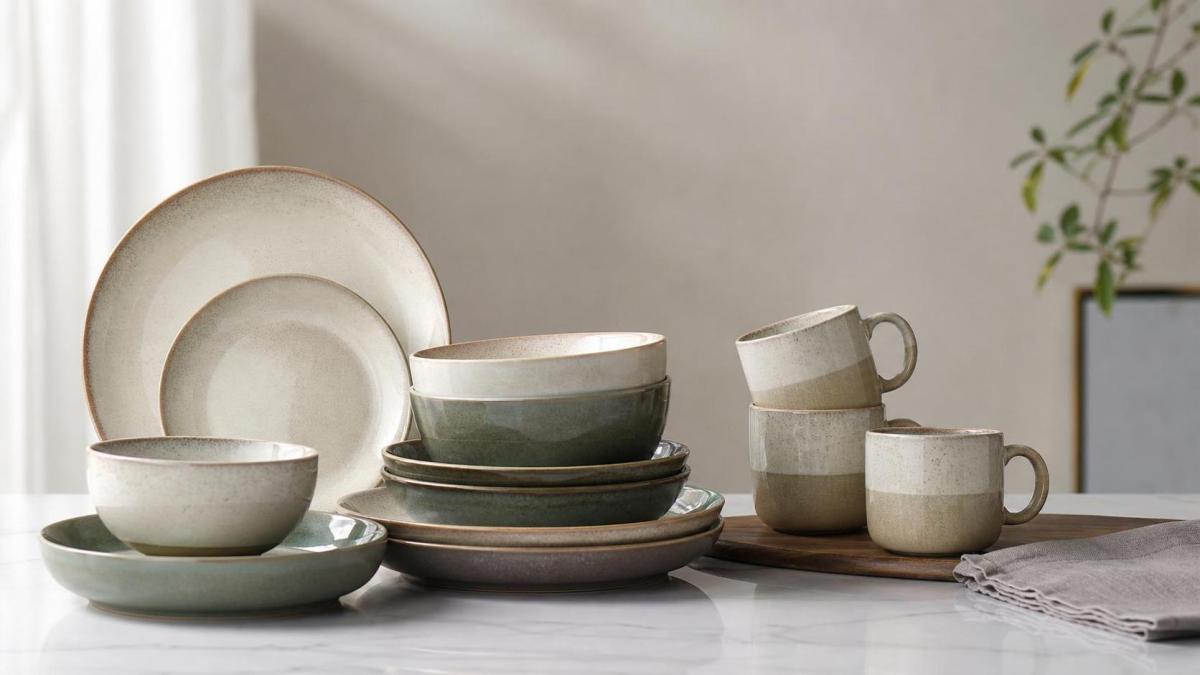
Not every ceramic dinner set performs the same way.
The look may be similar, but the base material changes weight, strength, and price.
The most common options are stoneware, porcelain, earthenware, and bone china.
Stoneware
Stoneware is one of the most popular choices for an everyday ceramic dinner set.
It feels solid, keeps heat well, and usually handles regular family meals without much fuss.
It is often slightly thicker and heavier than porcelain.
Porcelain
Porcelain offers a cleaner, finer look.
A porcelain ceramic dinner set is usually lighter, less porous, and better for modern table settings.
Good porcelain can also be surprisingly durable.
Earthenware
Earthenware usually has a warm, handmade feel.
It works well if appearance matters more than heavy-duty performance.
Still, it chips more easily, so it may not be the best ceramic dinner set for high-use kitchens.
Bone China
Bone china is refined, thin, and often used for formal dining.
It can be strong for its weight, but many buyers reserve it for occasional use.
For daily use, stoneware and porcelain usually make the easier decision.
Check Glaze Safety and Food Contact Quality
A ceramic dinner set should look good, but safety comes first.
This matters even more now, as kitchen equipment buyers pay closer attention to material standards.
Look for food-safe glaze and clear product labeling.
If the product page is vague, that is a warning sign.
- Choose lead-free and cadmium-safe dinnerware when possible.
- Prefer smooth, even glaze without pinholes or rough spots.
- Check whether the ceramic dinner set is dishwasher and microwave safe.
- Avoid decorative finishes that scratch or fade quickly.
A safe ceramic dinner set should feel consistent across every piece.
Edges should be smooth, the glaze should be even, and the base should not wobble on a flat table.
Those small checks tell you a lot about manufacturing quality.
Choose the Right Piece Count for Real Life
One of the easiest ways to overspend is buying the wrong set size.
A ceramic dinner set may look like a bargain, but extra pieces are useless if they stay in storage.
The better approach is matching piece count to actual eating habits.
Typical Set Sizes
Think beyond headcount.
If you run the dishwasher every day, a smaller ceramic dinner set may work fine.
If you meal prep, entertain often, or have children, extra bowls and plates help more than extra mugs.
Match Shape and Weight to Everyday Use
This is where many ceramic dinner set decisions become practical.
A set may look attractive online, but everyday use depends on comfort and handling.
Weight, rim design, bowl depth, and stackability all matter.
- Wide rims work well for plated meals and neater presentation.
- Deeper bowls suit pasta, grain bowls, soups, and mixed dishes.
- Lighter pieces are easier for children and older adults to handle.
- Straight-sided shapes often stack better in smaller cabinets.
The best ceramic dinner set for daily use usually feels balanced in the hand.
It should fit your dishwasher racks and microwave without awkward angles.
That may sound minor, but it affects convenience every single day.
Durability Matters More Than Trendy Finish
From a buying perspective, durability is where value becomes clear.
A lower-priced ceramic dinner set is not a better deal if it chips within months.
In recent years, buyers across kitchen equipment categories have become much more focused on long-term performance.
Dinnerware is no different.
What to Check
- Chip resistance around rims and plate edges.
- Scratch resistance from forks and knives.
- Thermal tolerance for microwave reheating.
- Consistency across all pieces in the ceramic dinner set.
- Availability of replacement pieces if one breaks later.
Matte finishes can look beautiful, but some mark more easily.
Gloss glaze often cleans faster and shows fewer utensil traces over time.
If your kitchen is busy, practicality usually wins.
Pick a Style That Still Works Six Months Later
A ceramic dinner set should fit daily routines, not only a showroom photo.
Neutral colors usually stay flexible longer.
White, soft gray, sand, charcoal, and muted blue are easy to mix with seasonal tableware.
They also hide trend fatigue better than novelty prints.
Reactive glaze designs remain popular because every piece looks slightly different.
That organic look works well in both casual and modern spaces.
Still, check product photos carefully.
Variation is attractive, but too much inconsistency can make a ceramic dinner set feel mismatched.
How to Compare Price Without Missing Hidden Costs
Price matters, but the sticker price is only part of the decision.
A ceramic dinner set should be judged by cost per useful piece, expected lifespan, and replacement flexibility.
- Compare how many dinner plates, bowls, and mugs you actually need.
- Check whether shipping increases the real total.
- See if open-stock replacements are sold individually.
- Read reviews for breakage during delivery and long-term use.
This approach helps you avoid false savings.
A slightly better ceramic dinner set often costs less over time because fewer pieces need replacing.
A Simple Buying Checklist Before You Decide
Before choosing a ceramic dinner set, run through a short final check.
- Confirm the material type fits your daily use.
- Verify food-safe glaze and care instructions.
- Match piece count to your household and hosting habits.
- Check dimensions for cabinets, dishwasher, and microwave.
- Review durability feedback, especially chips and scratches.
- Choose a style that will still feel right after frequent use.
The right ceramic dinner set is rarely the flashiest one.
It is the set that fits your meals, your storage space, and your routine.
If you compare materials, count pieces carefully, and prioritize safe everyday performance, the choice becomes much clearer.
Use that filter, and your next ceramic dinner set is more likely to stay useful, attractive, and worth the money for years.
Popular Tags
Kitchen Industry Research Team
Dedicated to analyzing emerging trends and technological shifts in the global hospitality and foodservice infrastructure sector.
Industry Insights
Join 15,000+ industry professionals. Get the latest market trends and tech news delivered weekly.
No spam. Unsubscribe anytime.


Contact With us
Contact:
Anne Yin (Ceramics Dinnerware/Glassware)
Lucky Zhai(Flatware)