
Restaurant supplies sourcing problems that delay new openings
For procurement teams, restaurant supplies sourcing can become the hidden bottleneck that delays new openings, increases costs, and disrupts launch plans. From inconsistent supplier quality to long lead times, missing certifications, and poor coordination across equipment categories, sourcing challenges can quickly escalate. Understanding these common issues is essential for buyers who want to secure reliable kitchen equipment, keep projects on schedule, and open with confidence.
Why does restaurant supplies sourcing often delay new restaurant openings?
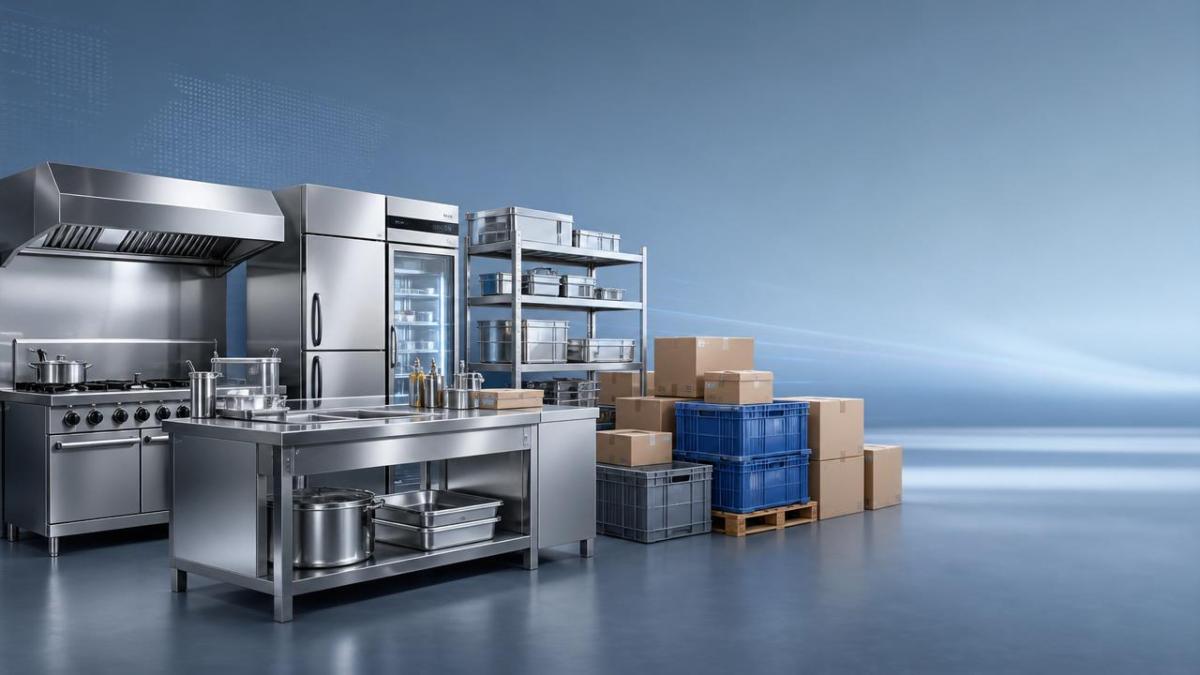
Restaurant openings rarely fail because of one major mistake. More often, they slow down because many small sourcing issues pile up at the same time. In restaurant supplies sourcing, procurement teams must align equipment specifications, supplier lead times, installation schedules, utility requirements, food safety expectations, and budget approvals. If even one category falls behind, the whole project can stall.
This pressure is especially high in the kitchen equipment industry, where products range from heavy commercial cooking lines and refrigeration systems to stainless worktables, ventilation components, preparation tools, and small electrical appliances. Each category may come from a different factory, region, or export channel. That complexity creates risk for buyers managing opening deadlines.
The most common bottlenecks in procurement projects
- Incomplete equipment lists at the design stage, which leads to urgent add-on orders after production has already started.
- Suppliers quoting similar-looking products with different materials, power loads, or operating capacities, making comparison difficult.
- Imported equipment requiring documentation, labeling, or electrical conformity that was not checked before purchase.
- Long manufacturing lead times for custom stainless fabrication, exhaust systems, or integrated cooking suites.
- Poor coordination between equipment delivery and on-site readiness, including flooring, drainage, gas lines, and ventilation connections.
Procurement teams that understand these bottlenecks early can reduce launch risk. The goal is not only to buy equipment, but to build a sourcing process that protects opening dates and operating stability from day one.
Where restaurant supplies sourcing breaks down across equipment categories
Not every supply category carries the same level of risk. Some items are standard and easy to replace, while others affect kitchen layout, MEP coordination, compliance, and commissioning. The table below helps procurement teams identify which categories deserve earlier sourcing action and tighter supplier review.
A practical lesson from restaurant supplies sourcing is that critical-path items are not always the most expensive. A missing drainboard, a mismatched power plug, or a delayed grease management component can hold up inspections just as easily as a delayed oven. Procurement teams should classify items by schedule sensitivity, not only by unit cost.
High-risk categories require earlier verification
Categories tied to utilities, fabrication, or food safety should be frozen first. Smart kitchen systems, automated preparation lines, and energy-efficient equipment can deliver long-term value, but they also require more technical alignment. Buyers should ask for installation drawings, operating conditions, and maintenance access requirements before confirming orders.
How procurement teams can evaluate suppliers before delays happen
One of the biggest restaurant supplies sourcing mistakes is choosing vendors based only on price and sample appearance. Procurement teams need a wider evaluation model that measures delivery reliability, documentation readiness, technical support, and consistency across batches. This is especially important when sourcing globally from major manufacturing markets.
The following matrix can help buyers compare suppliers more objectively during shortlisting and quotation review.
When procurement teams use a formal scorecard, they reduce the chance of selecting a supplier that looks competitive on paper but fails under project conditions. In restaurant supplies sourcing, consistency often delivers better total value than the cheapest initial quote.
Questions buyers should ask before placing the order
- Can the supplier confirm final dimensions and utility requirements against the kitchen layout?
- Which items are standard stock and which require custom production?
- What documents will be available before shipment, including packing lists, manuals, and any applicable conformity records?
- How are shortages, transit damage, or missing accessories handled?
- Can the supplier support mixed-category consolidation to reduce fragmented deliveries?
What specifications and certifications should buyers verify early?
Missing or unclear technical details are a major cause of restaurant supplies sourcing delays. Commercial kitchen equipment is not plug-and-play in every market. Voltage, frequency, plug type, gas category, stainless steel grade, insulation performance, and cleaning design can all affect acceptance and usability.
Key verification points before payment approval
- Electrical compatibility: confirm voltage, phase, frequency, plug format, and power consumption against site conditions.
- Material specification: verify whether work surfaces, sinks, and cabinets use the required stainless steel grade for hygiene and corrosion resistance.
- Capacity matching: check whether refrigeration volume, cooking output, and holding capacity suit projected meal counts and service rhythm.
- Cleaning and maintenance access: ask for details on removable parts, drain points, and access panels for serviceability.
- Documentation readiness: confirm user manuals, installation guidance, and any market-relevant compliance paperwork before shipment.
Depending on the destination market and product category, buyers may need to review common conformity references or local acceptance requirements. It is wise to treat compliance as a sourcing checkpoint, not as a final shipping task. Waiting until the goods are packed is usually too late.
Why this matters more for smart and energy-efficient equipment
As the kitchen equipment sector moves toward automation, intelligence, and energy efficiency, documentation becomes even more important. Digital controls, sensor-based functions, and connected systems can improve performance and labor efficiency, but they also require clear operating parameters, training support, and electrical planning. Buyers should request operating logic and maintenance expectations in advance.
How to balance budget, lead time, and performance in restaurant supplies sourcing
Procurement teams are often forced into trade-offs. A lower-cost option may carry longer lead times, limited spare parts, or weak documentation. A faster-delivery option may use lighter materials or lower-duty components. Effective restaurant supplies sourcing requires understanding the cost of delay, not just the price of the item.
The table below compares three common sourcing approaches used in opening projects.
For buyers under deadline pressure, balanced category sourcing is often the most practical route. Reserve detailed technical review and stronger supplier controls for critical equipment, while standardizing commodity items for efficiency. This approach keeps project focus where delays are most expensive.
A useful budget rule for opening projects
Do not treat all savings as equal. Saving a small percentage on refrigeration or cooking equipment may be less valuable than securing faster delivery, cleaner documentation, and better installation support. On the other hand, utensils, shelving accessories, and basic preparation tools may offer safer opportunities for cost optimization.
What process helps prevent delays from quote to installation?
Strong restaurant supplies sourcing is process-driven. Procurement teams that use clear checkpoints can spot risk earlier and avoid last-minute firefighting. This is particularly important in global kitchen equipment sourcing, where lead times, export documentation, and cross-border communication can add complexity.
Recommended sourcing workflow for procurement teams
- Freeze the equipment list with quantities, dimensions, and utility requirements linked to the kitchen layout.
- Separate critical-path equipment from replaceable commodity items.
- Request structured quotations with identical comparison fields, including lead time, packing method, warranty terms, and technical data.
- Review supplier drawings, materials, and documentation before deposit payment.
- Track production milestones and pre-shipment checks for custom or high-value equipment.
- Align delivery sequence with site readiness, installation crews, and inspection timing.
- Keep a shortage and damage response plan so missing parts do not stop commissioning.
This workflow is not complicated, but it requires discipline. Procurement teams that apply it consistently usually experience fewer unexpected delays and gain more control over opening schedules.
Common mistakes and FAQ in restaurant supplies sourcing
How early should restaurant supplies sourcing start before an opening?
For standard smallwares, the timeline can be relatively short. For cooking lines, refrigeration, custom stainless fabrication, and ventilation-linked equipment, buyers should begin much earlier. The exact window depends on design maturity, customization level, and shipping route, but procurement should start as soon as the layout and operational concept are stable enough to support accurate specifications.
Is one full-package supplier always better than multiple specialized vendors?
Not always. A single supplier can reduce coordination effort, but only if that supplier has real category management strength and dependable documentation support. Multiple specialized vendors may provide better technical fit, especially for automated food processing or smart kitchen solutions. The best choice depends on whether the project needs simplicity, specialization, or a combination of both.
What are the most overlooked details that cause delays?
Buyers often overlook plug standards, water inlet positions, gas pressure assumptions, access widths for delivery, and accessory completeness. Small missing items such as castors, shelves, trays, or mounting kits can also delay installation. In restaurant supplies sourcing, the smallest unchecked detail can become a schedule problem on site.
Should procurement teams prioritize energy-efficient equipment during opening projects?
In many cases, yes. Energy-efficient kitchen solutions can reduce operating costs and support sustainability goals. However, buyers should still verify duty cycle, maintenance needs, spare parts access, and payback relevance to the project. Efficiency claims are meaningful only when the equipment also fits actual production demand and service patterns.
How can buyers reduce risk when sourcing internationally?
Use detailed specifications, request clear technical documentation, define packaging expectations, confirm destination-market requirements early, and keep milestone communication active. Working with suppliers experienced in export-oriented kitchen equipment projects can help buyers manage lead times, compliance, and category integration more effectively.
Why choose us for restaurant supplies sourcing support
In kitchen equipment procurement, buyers need more than a product list. They need sourcing support that connects technical selection, supplier coordination, compliance awareness, and delivery planning. That is especially true for restaurants, hotels, central kitchens, and foodservice projects that depend on reliable opening schedules.
We support procurement teams with practical assistance across key decision points, including:
- Parameter confirmation for cooking equipment, refrigeration, stainless fabrication, and small electrical appliances.
- Product selection guidance based on kitchen workflow, budget level, and opening schedule.
- Delivery lead time review for standard items, custom orders, and mixed-category procurement.
- Custom solution discussion for integrated kitchen systems, automated preparation, or energy-efficient upgrades.
- Certification and documentation coordination based on destination market requirements and project needs.
- Sample support, quotation communication, and structured comparison to help buyers make faster and safer decisions.
If your team is facing timeline pressure, unclear specifications, or supplier comparison challenges, contact us to review your restaurant supplies sourcing plan. We can help you assess product fit, identify delay risks, clarify technical details, and build a sourcing path that supports a smoother opening.
Popular Tags
Kitchen Industry Research Team
Dedicated to analyzing emerging trends and technological shifts in the global hospitality and foodservice infrastructure sector.
Industry Insights
Join 15,000+ industry professionals. Get the latest market trends and tech news delivered weekly.
No spam. Unsubscribe anytime.
Hot Articles
 ASEAN FTA Upgrade Enters Text Verification Phase; Smart Kitchen Controls Added to Zero-Tariff List
- Electronics Manufacturing Leads with 13.6% Output Growth; Kitchen Appliance Chip Supply Stabilizes
- OpenCLAW-like Agent Deployment Risk Management Guidelines Released
- Green Power Stocks Rally; Overseas Buyers Prioritize Green Electricity Usage

Contact With us
Contact:
Anne Yin (Ceramics Dinnerware/Glassware)
Lucky Zhai(Flatware)