Glass flower vase trends moving beyond clear cylinder styles
As buyer preferences shift from basic decor to design-led functionality, the glass flower vase market is moving well beyond clear cylinder styles. For distributors, agents, and wholesalers, understanding these trends can reveal high-potential product opportunities across hospitality, retail, and home segments. From sculptural forms to textured finishes and colored glass, today’s glass flower vase designs are shaping stronger differentiation and better margin potential.
Why scenario differences matter in today’s glass flower vase market
For trade buyers, the biggest mistake is treating every glass flower vase as a generic decorative item. In reality, usage context drives product success. A vase that performs well in a hotel lobby may fail in a restaurant dining room. A style that sells quickly in boutique retail may move slowly in mass distribution. Even within the same buyer category, different operating models create different expectations for shape, durability, packing, color consistency, and turnover speed.
This matters because the market is no longer led by clear cylinder formats alone. Buyers now compare a glass flower vase not only by appearance, but by how it supports table styling, seasonal refresh cycles, visual merchandising, social-media appeal, and inventory efficiency. For distributors and agents serving mixed customer groups, the ability to map product trends to real application scenarios becomes a direct commercial advantage.
The shift is also consistent with broader product development trends seen across the comprehensive goods sector: customers increasingly want items that combine aesthetics, utility, operational convenience, and stronger shelf differentiation. In other words, trend awareness is useful only when it helps you decide which glass flower vase styles fit which business scenario.
Where the new glass flower vase trends are being used most
Several high-potential scenarios are driving demand beyond basic clear cylinders. Each one values different product characteristics, so distributors should avoid one-size-fits-all assortment planning.
Hospitality and foodservice presentation
Hotels, restaurants, cafés, and event venues increasingly use a glass flower vase as part of brand atmosphere rather than simple flower holding. Slim bud vases, low centerpieces, ribbed glass, smoked tones, and asymmetrical forms are popular because they add visual character without overwhelming table space. In dining scenarios, height control, cleaning convenience, and replacement cost matter more than artistic complexity.
Home décor and lifestyle retail
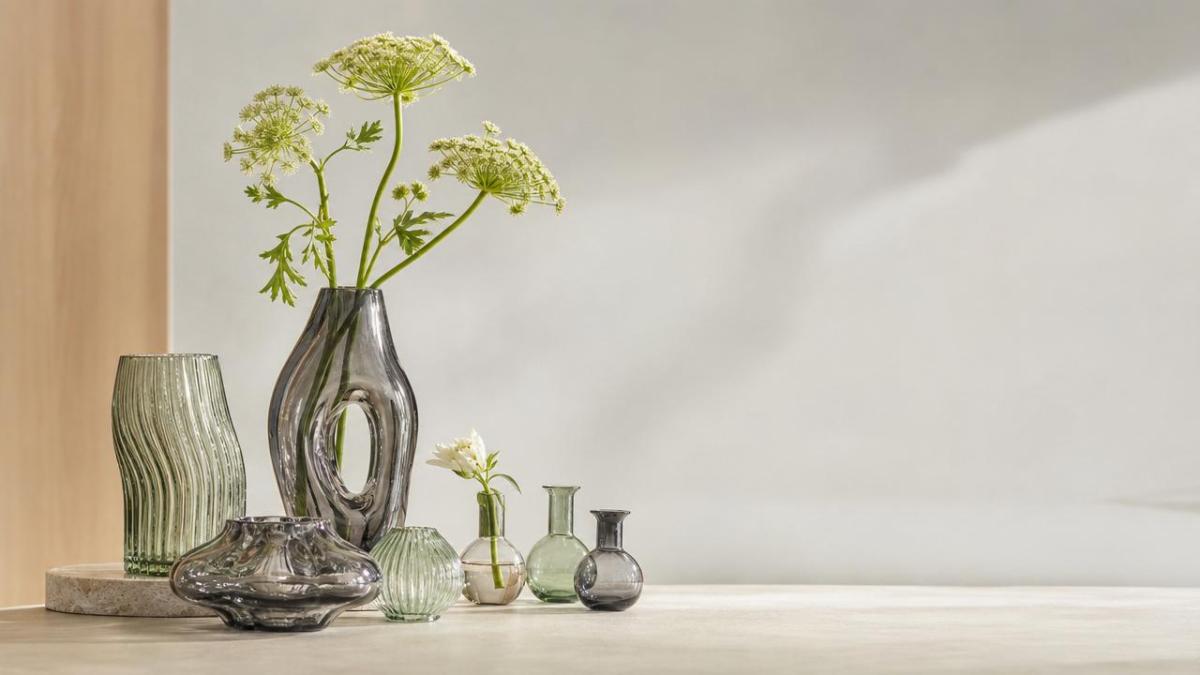
Retail buyers serving home consumers often favor sculptural and colored glass flower vase lines. Here, the vase itself is the product hero, even when no flowers are used. Amber, green, smoke gray, frosted finishes, hand-crafted looks, and mixed-shape collections appeal to consumers seeking styling flexibility for shelves, dining tables, kitchens, and entry consoles. Seasonal collections and giftable packaging can significantly improve sell-through.
Floral studios and event styling
Florists and event designers need a glass flower vase that supports changing floral concepts. They often prefer versatile silhouettes, grouped sizes, and trend-led textures that photograph well. For weddings, corporate events, and installations, consistency across batches is critical. Slight tone variation may be acceptable in artisanal retail, but not for coordinated event programs requiring dozens or hundreds of matching units.
Corporate gifting and promotional channels
In gifting scenarios, a glass flower vase performs best when it balances universal appeal with a premium feel. This segment often favors medium sizes, stable bases, subtle color, and protective packaging. Buyers also pay attention to decoration compatibility, such as whether the product works in kitchens, dining areas, reception spaces, or hospitality gift sets.
Scenario comparison: what different buyers care about most
The table below helps distributors evaluate how the same glass flower vase trend may perform differently depending on the application environment.
Which trends fit which scenarios best
Not every trend should be stocked equally. The most successful distributors translate design movements into practical buying categories. Below are the most relevant trend directions and where they fit best.
Textured and ribbed glass for repeat-use commercial settings
A textured glass flower vase works well in restaurants, cafés, and casual hospitality because it adds visual depth while hiding light water marks and fingerprints better than plain smooth glass. This makes textured finishes especially useful where operational cleaning speed matters. Ribbed surfaces also help products feel more premium without requiring highly complex forms.
Colored glass for retail differentiation and seasonal selling
Colored glass flower vase collections are highly effective in home décor retail, boutique channels, and gift segments. Soft green, tea brown, blush, cobalt, and smoky tones can support trend merchandising across spring, autumn, holiday, and wedding themes. For distributors, these lines are useful when customers need newness without a complete category reset.
Organic and sculptural forms for premium visual merchandising
Sculptural shapes perform best in hotel public spaces, design-led retailers, and curated showroom environments. They create stronger visual identity and help a glass flower vase stand alone as an object. However, they are not always ideal for high-turn restaurant tabletops, where stability and compact storage often matter more than dramatic profile.
Mini and bud vase formats for foodservice and event flexibility
Small-scale glass flower vase options are increasingly relevant for table service, banquets, and event styling. They reduce flower cost, fit narrow tables, and support mixed arrangements across multiple tables. For wholesalers serving hospitality clients, this segment often offers steady reorder potential because the products are used frequently and replaced regularly.
How buyer priorities differ by business model
A distributor, regional agent, or importer should also evaluate the glass flower vase assortment through the lens of channel strategy. The same product may be commercially strong in one model and weak in another.
For wholesalers supplying hospitality accounts
Prioritize durable styles with broad placement potential, such as low-profile textured pieces, neutral smoke tones, and compact bud vases. Customers in this segment usually care about replenishment speed, reasonable breakage loss, and clean visual consistency across locations.
For retailers and showroom-based distributors
Lean into eye-catching collections that encourage multi-piece purchases. A curated glass flower vase family with varied heights and coordinated colors can increase average order value. Packaging presentation also matters more here, especially when products are bought as gifts or display accents.
For project-based and event supply channels
Focus on consistent dimensions, availability across repeated orders, and packing efficiency. Event buyers are less interested in isolated hero pieces and more interested in whether the glass flower vase range can support large-volume visual planning with low damage risk.
Common scenario mistakes that reduce sell-through
Even when the design trend is correct, sell-through can suffer if the scenario fit is wrong. One common mistake is assuming premium appearance automatically creates commercial value. In foodservice, for example, an elegant but unstable glass flower vase may increase breakage and frustrate staff. Another mistake is overcommitting to strong fashion colors without considering reorder continuity and regional preference differences.
A further issue is ignoring how the vase interacts with the surrounding environment. In restaurant and kitchen-adjacent spaces, compactness, cleaning ease, and practical placement often matter as much as style. In retail, by contrast, emotional appeal and display impact may justify more experimental forms. Successful assortment planning comes from matching trend intensity to operating reality.
Practical selection checklist for distributors and agents
Before expanding your glass flower vase portfolio beyond clear cylinders, confirm the following points with target customers:
- What is the primary use scenario: dining table, lobby, home shelf, event setup, or gift channel?
- Is the buyer prioritizing daily practicality, visual differentiation, or premium image?
- Does the customer need coordinated sets, mixed assortments, or single hero SKUs?
- How important are breakage tolerance, packaging safety, and replacement continuity?
- Will trend colors support local demand, or are neutral tones safer for repeat orders?
- Does the product need to fit hospitality, kitchen-adjacent, and decorative environments at the same time?
These questions help convert trend knowledge into practical stock decisions. They also reduce the risk of buying attractive products that lack channel fit.
FAQ: scenario-based buying questions about glass flower vase trends
Are clear cylinder styles still worth carrying?
Yes. The clear cylinder glass flower vase still has value in event supply, entry-level hospitality, and high-volume basic décor programs. The key is not to rely on it as the only offer. It now works best as part of a balanced assortment that also includes higher-margin textured, colored, or sculptural options.
Which trend offers the safest entry point for broad distribution?
Textured neutrals are often the safest. A ribbed or lightly embossed glass flower vase in smoke, light green, or clear-tinted tones can serve hospitality, home décor, and gifting channels with less risk than highly unconventional shapes.
What styles create the best margin potential?
Usually, styles with stronger perceived design value create better margins: sculptural forms, coordinated color collections, artisanal finishes, and premium gift-ready packaging. However, margin only holds when the glass flower vase is aligned with the correct customer scenario.
Turning trend awareness into better assortment decisions
The market is clearly moving beyond clear cylinder designs, but the commercial opportunity is not simply about chasing fashion. It is about placing the right glass flower vase in the right scenario. Restaurants need practical elegance. Hotels want visual identity. Retail wants differentiation and gifting appeal. Event buyers need consistency and flexibility. When distributors, agents, and wholesalers evaluate trends through these scenario lenses, they can build stronger assortments, improve sell-through, and protect margins.
If you are reviewing your next product plan, start by segmenting customers by application rather than by price alone. Then match each segment with the glass flower vase styles most likely to succeed in real use. That approach will produce better conversations, more accurate purchasing decisions, and a more resilient product portfolio.
Popular Tags
Kitchen Industry Research Team
Dedicated to analyzing emerging trends and technological shifts in the global hospitality and foodservice infrastructure sector.
Industry Insights
Join 15,000+ industry professionals. Get the latest market trends and tech news delivered weekly.
No spam. Unsubscribe anytime.
Hot Articles
 ASEAN FTA Upgrade Enters Text Verification Phase; Smart Kitchen Controls Added to Zero-Tariff List
- Electronics Manufacturing Leads with 13.6% Output Growth; Kitchen Appliance Chip Supply Stabilizes
- OpenCLAW-like Agent Deployment Risk Management Guidelines Released
- Green Power Stocks Rally; Overseas Buyers Prioritize Green Electricity Usage

Contact With us
Contact:
Anne Yin (Ceramics Dinnerware/Glassware)
Lucky Zhai(Flatware)