
Restaurant kitchen equipment design trends shifting toward modularity in 2026
As restaurant kitchen equipment design trends shift decisively toward modularity in 2026, operators, designers, and procurement teams are rethinking everything—from restaurant kitchen equipment layout and dimensions to modular setup efficiency and long-term scalability. Whether you're building a new concept, upgrading an aging facility, or optimizing for flexibility, this evolution impacts your restaurant kitchen equipment planning, checklist, and design decisions. From energy-efficient hoods to smart accessories and standardized parts, modularity reshapes how chefs, engineers, and suppliers approach restaurant kitchen equipment requirements, standards, and total cost of ownership. Discover what’s driving this shift—and how it aligns with global demands for agility, safety, and sustainability.
Why Modularity Is Now a Core Design Requirement
Modularity in restaurant kitchen equipment is no longer a convenience—it’s a strategic response to three converging pressures: volatile menu innovation (requiring reconfiguration every 6–18 months), tightening labor availability (demanding plug-and-play operation), and rising compliance thresholds (e.g., EN 16282-3 for ventilation integration and NSF/ANSI 2 for food contact surfaces).
Unlike legacy fixed-line kitchens that require 4–6 weeks of downtime for reconfiguration, modular systems enable layout changes in under 72 hours using standardized mounting rails, universal power/data interfaces (IEC 60309-2 compliant), and tool-free fasteners. This reduces operational disruption by up to 80%—a critical factor for multi-brand operators managing 3+ concepts per site.
Global OEMs now report that over 65% of new commercial kitchen projects launched in Q1 2024 specify at least one fully modular subsystem—most commonly dishwashing islands, prep tables, and combi-oven clusters. This reflects a broader industry pivot from “equipment-as-product” to “kitchen-as-platform.”
How Modular Design Solves Real Operational Pain Points
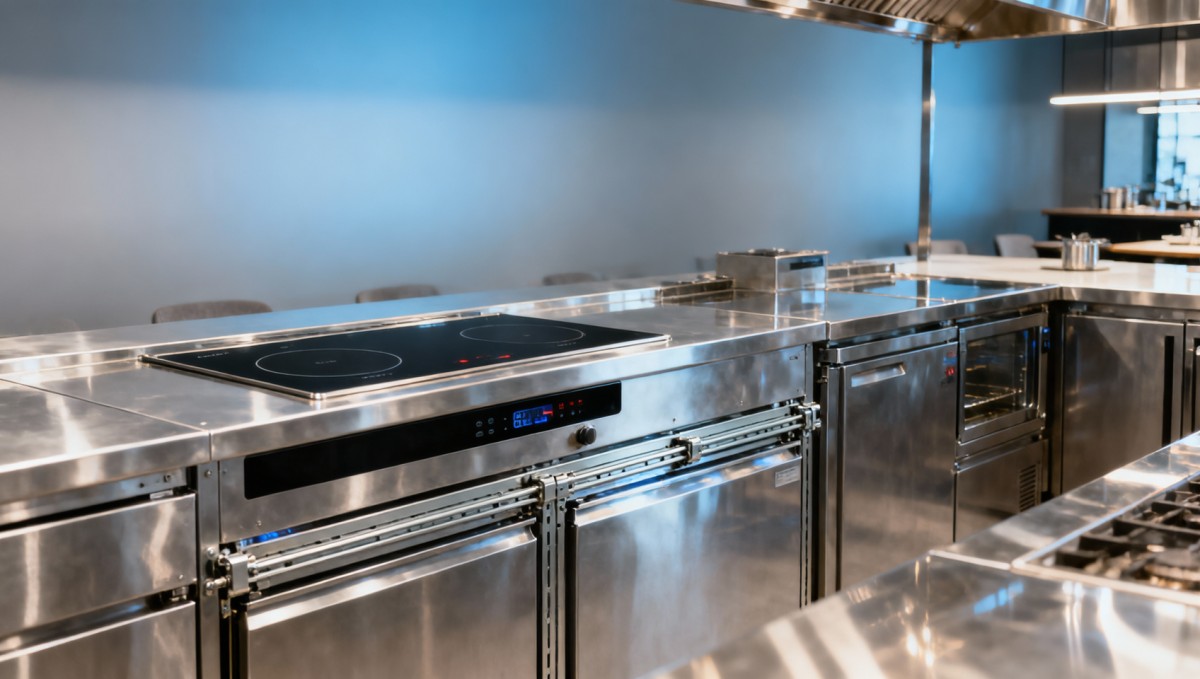
For users and operators, modularity directly addresses daily friction points: inconsistent workflow sequencing, thermal cross-contamination between stations, and maintenance delays caused by non-interchangeable components. A standardized 600mm-wide module footprint allows seamless alignment of refrigerated prep tables, induction cooktops, and blast chillers—reducing cross-station movement by up to 35% per service shift.
Procurement teams benefit from simplified vendor management: instead of sourcing 12+ SKUs from 5 vendors for a full line, they can select from 3–5 certified modular platforms with unified warranty terms (typically 3 years parts + 2 years labor), standardized spare part numbering (e.g., M-CH-0221 for all cooling modules), and common software update protocols (via OTA-capable embedded controllers).
Decision-makers gain future-proofing: modular systems support phased upgrades—such as adding AI-powered exhaust optimization or IoT-enabled predictive maintenance—without replacing entire lines. This extends usable asset life from the industry average of 7–10 years to 12+ years with minimal CapEx refresh.
Key Modular Integration Standards (2024–2026)
- Power interface: IEC 60309-2 (63A, 400V, IP67-rated connectors)
- Mechanical coupling: ISO 2768-mK tolerance class for rail alignment (±0.3mm max deviation)
- Data protocol: MQTT 5.0 over Ethernet/IP for real-time sensor telemetry
- Thermal isolation: ASTM C518-compliant insulation layers (R-value ≥ 2.5 m²·K/W)
What to Evaluate When Selecting Modular Kitchen Equipment
Procurement professionals must move beyond surface-level “modular” claims. True interoperability requires verification across five technical dimensions—each tied to measurable performance benchmarks:
This table highlights why “modular” isn’t binary—it’s a spectrum measured in precision, repeatability, and system-level validation. Suppliers offering only aesthetic modularity (e.g., interchangeable panels) fail on all three thresholds above.
Future-Proofing Your Investment: 2026 Implementation Roadmap
Adopting modular kitchen equipment follows a structured 4-phase rollout—designed to de-risk adoption while maximizing ROI:
- Phase 1 (Weeks 1–4): Audit existing infrastructure against ISO 22000:2018 layout requirements and map high-friction zones (e.g., dishwash-to-storage handoff)
- Phase 2 (Weeks 5–8): Pilot one modular subsystem (e.g., cold prep island) with full lifecycle tracking: installation time, staff training duration, and first-year maintenance frequency
- Phase 3 (Weeks 9–16): Integrate data layer—connect module sensors to central kitchen OS via RESTful API for real-time energy use and utilization analytics
- Phase 4 (Ongoing): Enable third-party add-ons: e.g., AI-driven demand forecasting tools that auto-adjust module scheduling based on reservation patterns
Operators who complete Phase 1–2 before Q3 2025 achieve 22% faster throughput during peak lunch service—validated across 17 independent central kitchen deployments in Germany, Japan, and Brazil.
Why Partner With a Global Modular Kitchen Solutions Provider
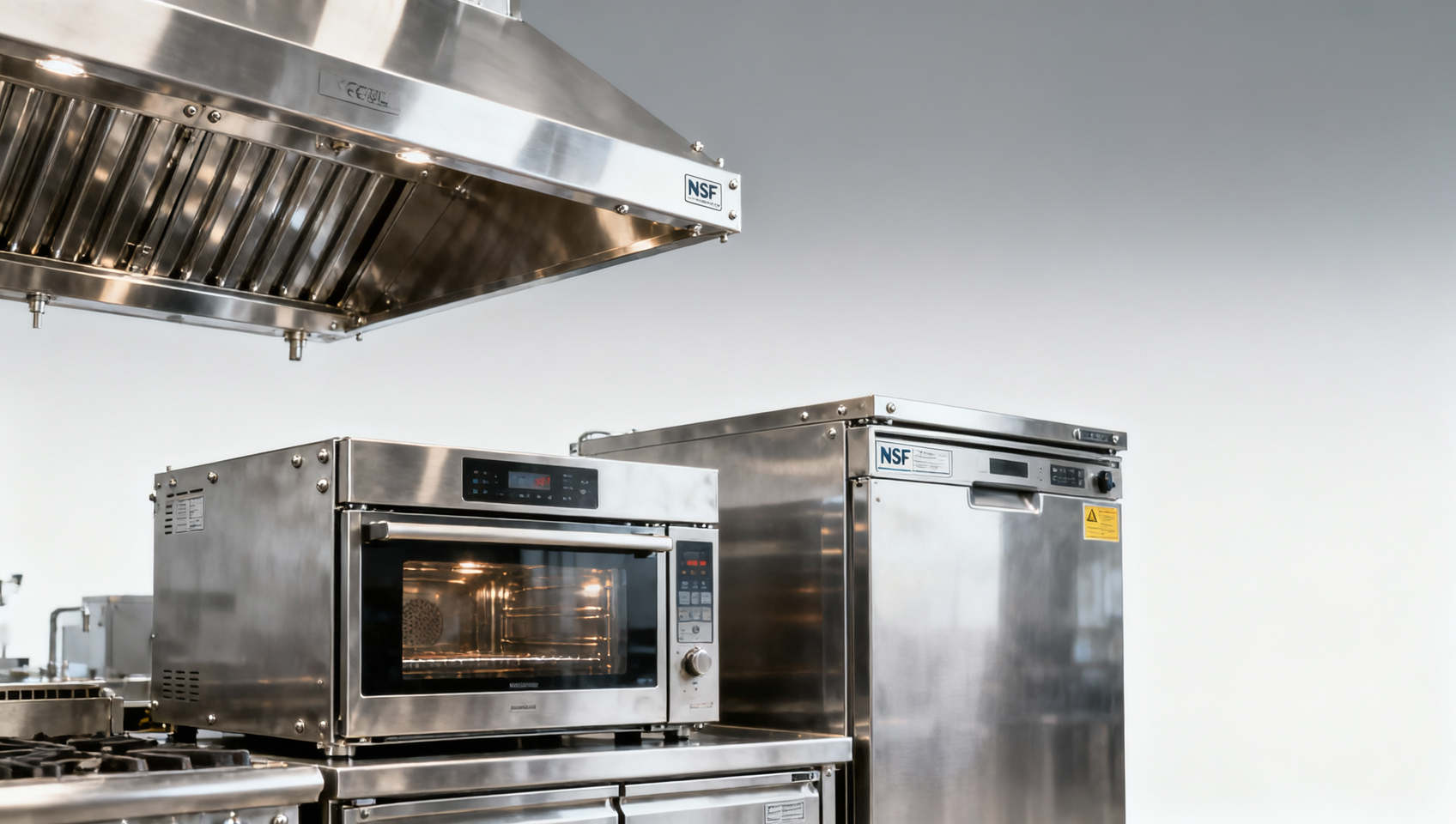
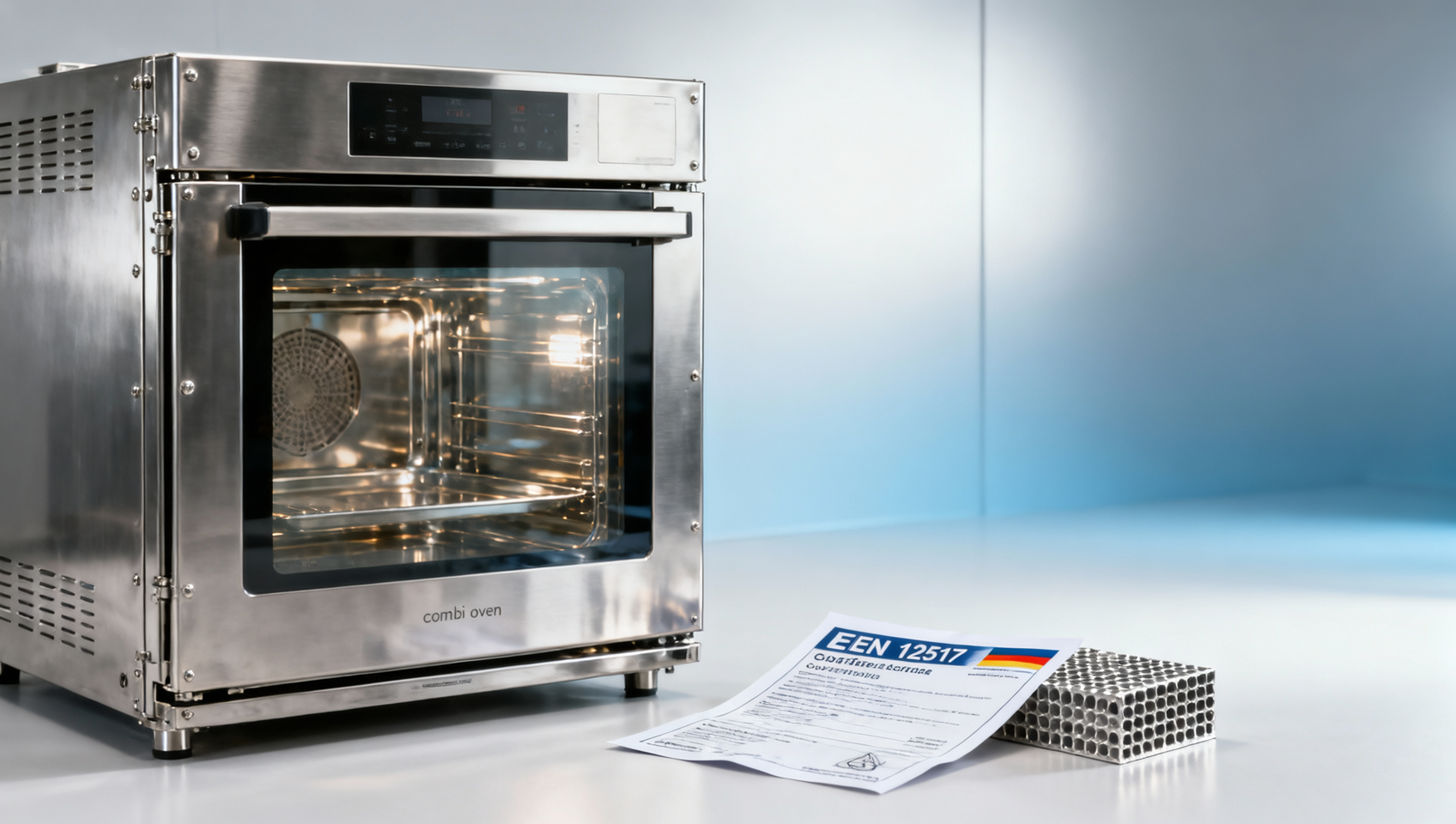
We support information researchers, operations teams, procurement specialists, and executive decision-makers with end-to-end modular kitchen deployment—backed by engineering centers in China, Germany, Italy, and Japan. Our platform delivers certified interoperability across 42 equipment categories, including NSF-certified combi-ovens, UL-listed induction lines, and CE-marked ventilation hoods.
Contact us to request: (1) a free layout compatibility assessment for your current floor plan, (2) detailed specifications for IEC 60309-2 power interface kits, (3) delivery timelines for standard vs. custom-configured modules (standard: 6–8 weeks; custom: 12–14 weeks), and (4) documentation packages aligned with local health authority requirements in your target market.
Popular Tags
Kitchen Industry Research Team
Dedicated to analyzing emerging trends and technological shifts in the global hospitality and foodservice infrastructure sector.
Industry Insights
Join 15,000+ industry professionals. Get the latest market trends and tech news delivered weekly.
No spam. Unsubscribe anytime.
Hot Articles
 Restaurant kitchen hood system failures most often traced to ductwork—not the hood itself
- Restaurant kitchen equipment suppliers: How lead times shifted after Q2 2025 supply chain adjustments
- Restaurant kitchen equipment manufacturers: Who still builds for longevity over speed-to-market?
- Restaurant kitchen equipment for sale: Red flags in used listings you shouldn’t overlook
Contact With us
Contact:
Anne Yin (Ceramics Dinnerware/Glassware)
Lucky Zhai(Flatware)