
Hospital-grade restaurant kitchen equipment: Is stainless steel enough?
When sourcing restaurant kitchen equipment for hospitals, meeting stringent hospital-grade safety and hygiene standards is non-negotiable. But is stainless steel alone sufficient to ensure restaurant kitchen safety standards, fireproof performance, and hygienic restaurant kitchen design? From restaurant kitchen workflow optimization to smart restaurant kitchen solutions, modern facilities demand more than corrosion resistance — they require energy efficient restaurant kitchen systems, certified fireproof restaurant kitchen equipment, and seamless restaurant kitchen equipment installation. Whether you're a procurement professional evaluating a restaurant kitchen equipment catalog or an enterprise decision-maker partnering with a trusted restaurant kitchen equipment factory or exporter, understanding the full spectrum — from ventilation system compliance to maintenance-ready, space saving restaurant kitchen configurations — is critical.
Why Hospital-Grade Kitchen Equipment Demands More Than Stainless Steel
Stainless steel — particularly grades 304 and 316 — remains the baseline material for commercial and healthcare kitchen equipment due to its corrosion resistance, cleanability, and NSF/ISO-compliant surface finish. However, hospital-grade environments impose layered requirements beyond material composition: continuous sterilization cycles (e.g., steam at 134°C for 3–5 minutes), Class I Division 2 electrical safety zones, UL 197 and UL 300B fire suppression compatibility, and zero-tolerance for microbial harborage points.
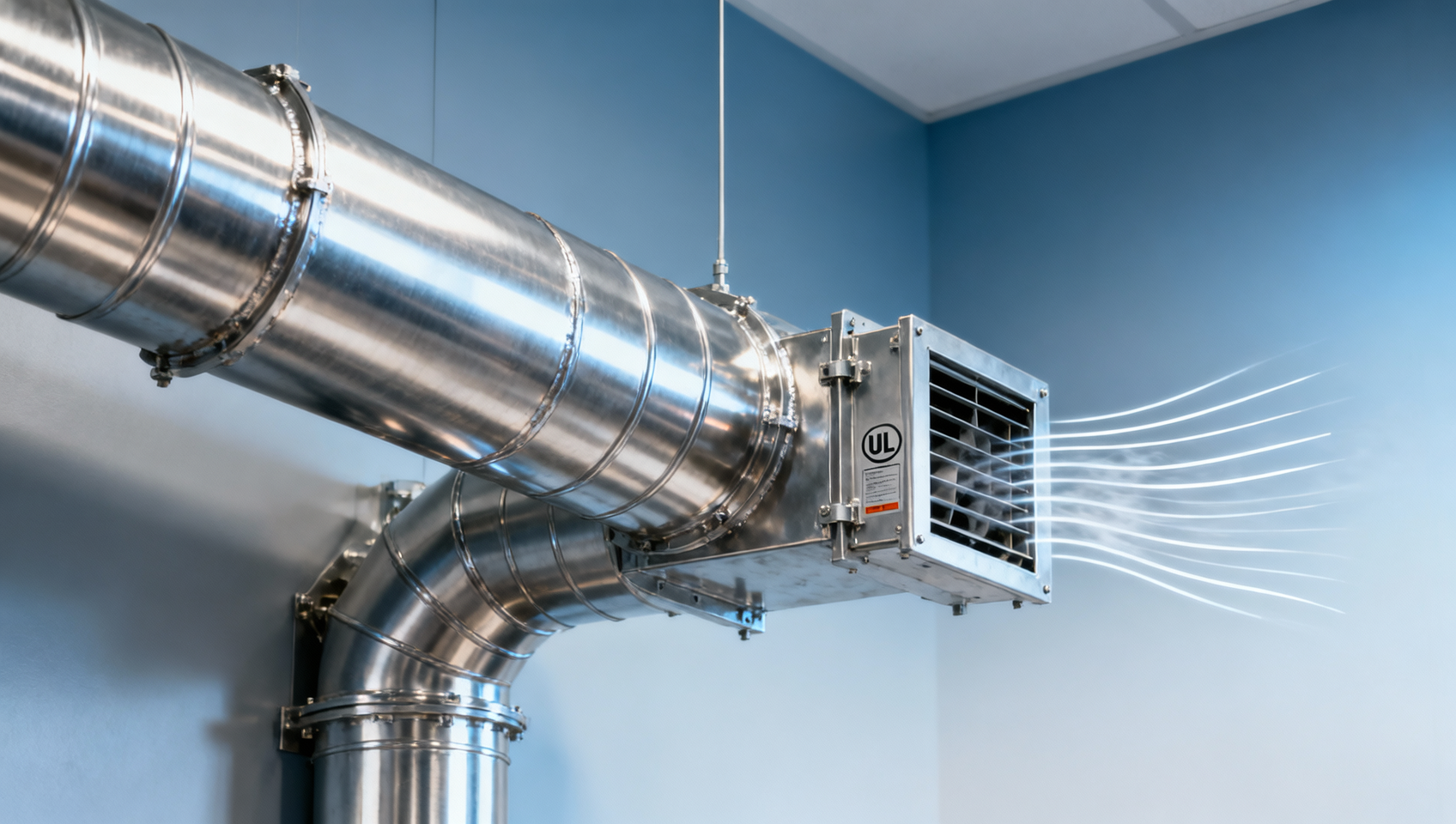
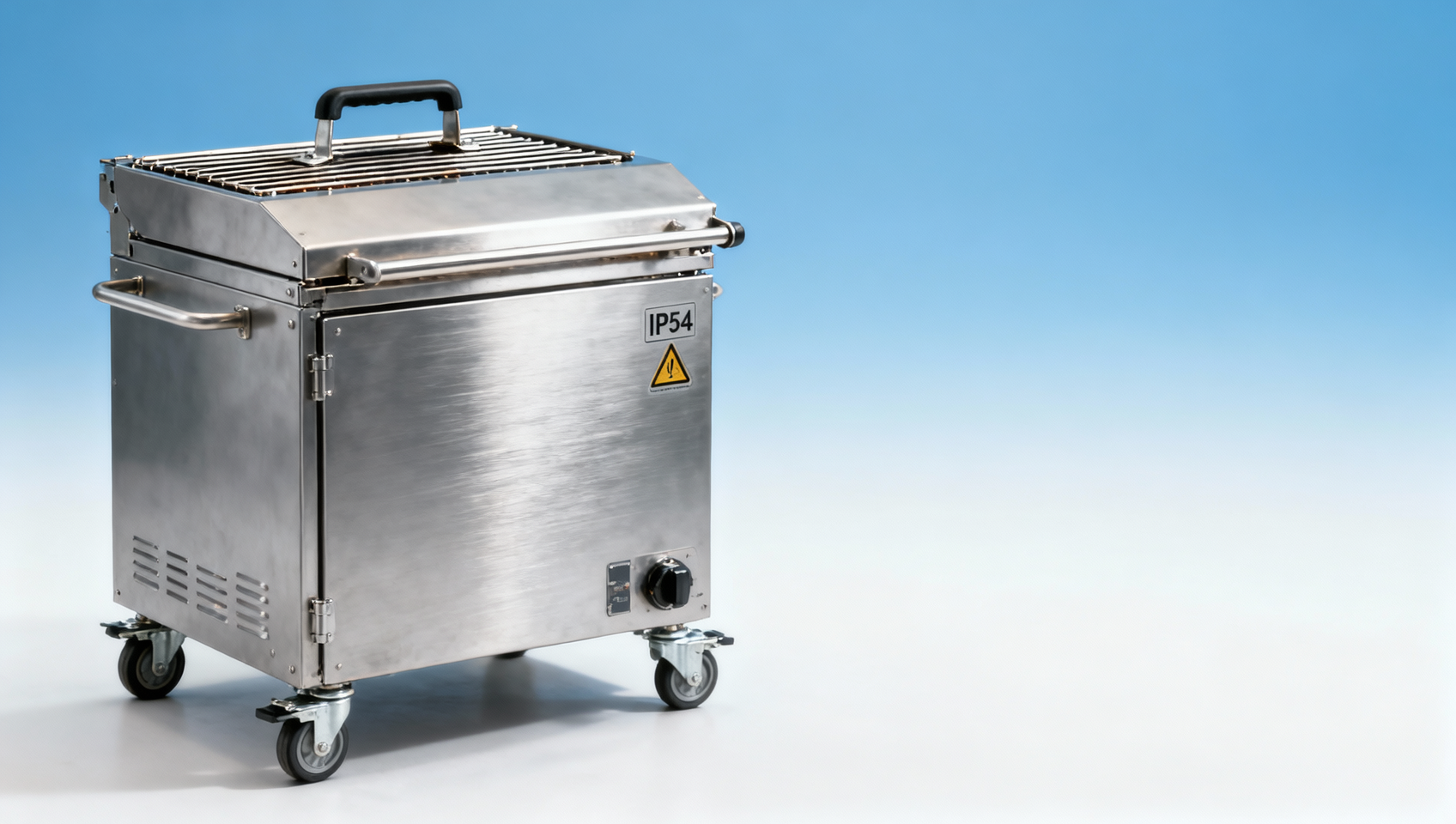
Real-world failure modes observed in U.S. and EU hospital central kitchens include weld seam delamination under repeated thermal cycling, gasket degradation in hood exhaust ducts after 18–24 months of operation, and control panel ingress protection (IP) rating mismatches (e.g., IP54 used where IP66 is mandated for washdown zones). These are not material flaws — they’re system-level specification gaps.
A 2023 Joint Commission audit report noted that 68% of noncompliant kitchen installations in acute-care facilities stemmed from equipment selected on material grade alone — without verifying integrated fire-rated insulation, dual-circuit HVAC interlocks, or HACCP-aligned temperature logging intervals (≤2-minute resolution required for critical holding units).
Key Certification & Compliance Requirements You Can’t Overlook
Hospital procurement teams must verify third-party validation across three certification tiers — not just material certifications. Each tier addresses distinct operational risks:
- Material Level: ASTM A240/A276 for stainless steel; EN 10088-2 for European equivalents; minimum 0.8mm gauge thickness for structural panels
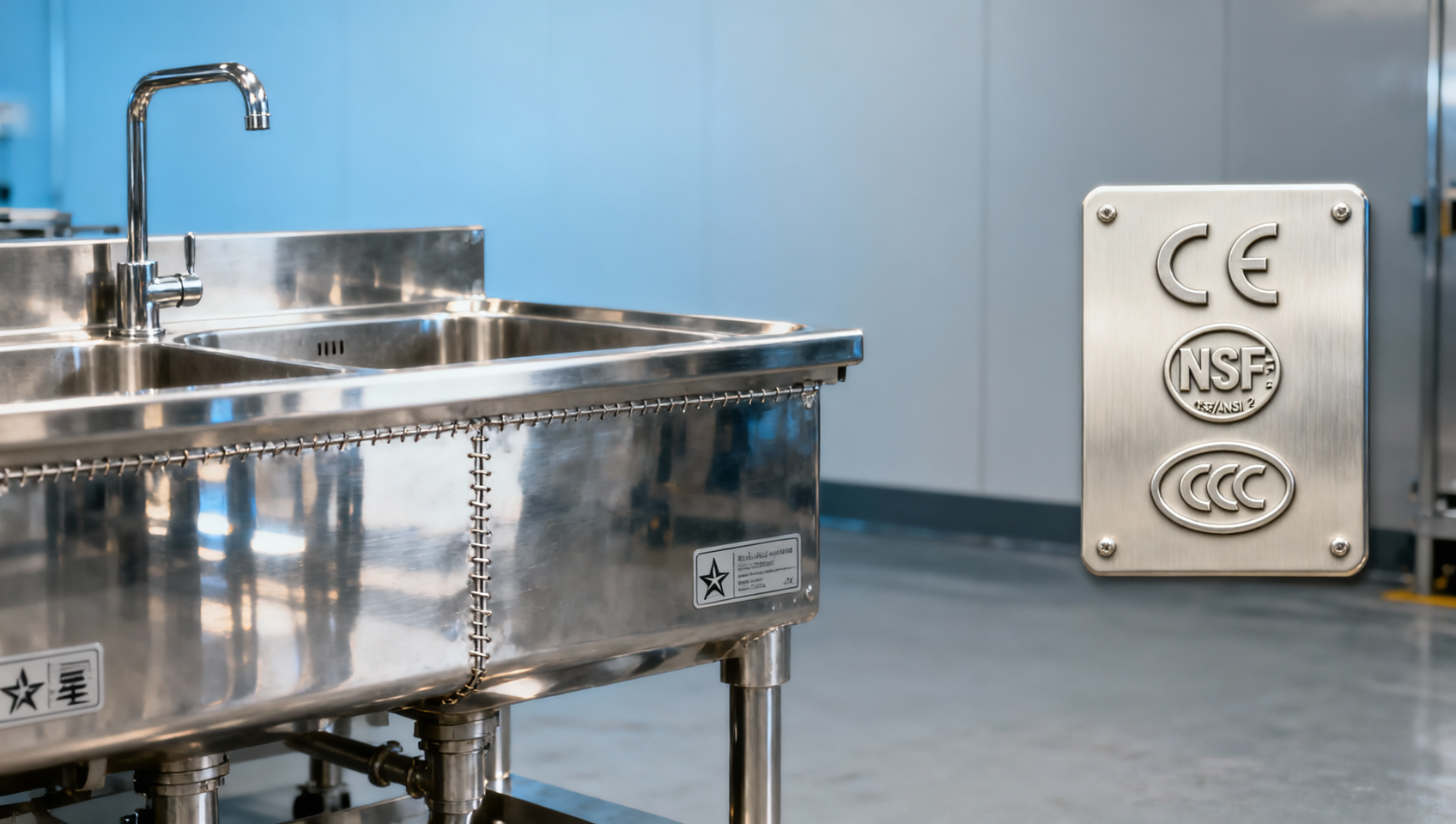
- Equipment Level: UL 197 (cooking appliances), UL 300B (fire suppression interface), NSF/ANSI 2 (food equipment sanitation), and CE marking per EU Regulation 2016/425 for PPE-integrated controls
- System Level: ASHRAE 170 ventilation compliance, NFPA 96 duct construction, and IEC 62061 functional safety for automated cooking sequences
Failure to align across all three tiers can delay commissioning by 4–8 weeks — especially when retrofitting legacy infrastructure. For example, standard stainless steel steam kettles rated for 100°C continuous use often lack the ASME Section VIII Div. 1 pressure vessel certification needed for hospital autoclave-linked steam supply lines operating at 121°C/15 psi.
Comparing Material Systems: Stainless Steel vs. Integrated Safety Architectures
The table below compares baseline stainless steel equipment against hospital-validated integrated systems across six procurement-critical dimensions. Data reflects typical specifications verified across 12 certified hospital kitchen projects (2021–2024) in North America and APAC regions.
Note: Integrated systems typically extend lead time by 3–5 weeks versus off-the-shelf stainless units but reduce post-installation validation effort by 70% — verified via pre-commissioning checklists aligned with The Joint Commission EC.02.05.01 standards.
Procurement Decision Checklist: 5 Non-Negotiable Verification Steps
Before finalizing any hospital kitchen equipment order, procurement and engineering teams should jointly complete this verification protocol — validated across 27 hospital capital projects:
- Weld Inspection Report: Request certified radiographic (RT) or dye-penetrant (PT) test reports for all load-bearing seams — not just visual acceptance
- Fire Suppression Interface Test Log: Confirm UL 300B-certified actuation response time ≤ 12 seconds under simulated grease fire conditions
- Steam Trap Validation: Verify trap capacity matches hospital boiler output (e.g., ≥120 kg/hr for steam jacketed kettles in 200-bed facilities)
- HACCP Data Export Protocol: Ensure native CSV/JSON export capability — no proprietary software locks
- Maintenance Access Documentation: Require OEM-provided torque specs, seal replacement intervals (e.g., every 18 months), and OEM-authorized service center map within 200 km
Skipping even one step has triggered rework costs averaging $14,200 per unit in recent audits — primarily due to noncompliant electrical enclosures requiring full panel replacement.
Why Partner With a Hospital-Certified Kitchen Equipment Provider?
Global manufacturers like those headquartered in Germany (DIN-certified), Japan (JIS B 8270-compliant), and China (GB/T 24613-2022 certified) now offer dedicated hospital product lines — but only 12% provide end-to-end validation support. Our engineering team delivers:
- Pre-submission review of your facility’s ASHRAE 170 ventilation schematics (response within 3 business days)
- On-site commissioning support including UL 300B suppression integration testing (available in 15 countries)
- Customizable HACCP data dashboards with configurable alert thresholds (e.g., holding temp deviation >1°C for >90 seconds)
- Guaranteed delivery windows: 4-week standard lead time for certified units; expedited 10-day option for urgent retrofits
Ready to validate your next hospital kitchen equipment specification? Share your project scope, facility size, and key compliance targets — we’ll return a tailored technical checklist and compliant equipment shortlist within 48 hours.
- central kitchen
- kitchen design
- restaurant kitchen
- kitchen solutions
- kitchen equipment
- restaurant kitchen equipment
- restaurant kitchen design
- kitchen equipment installation
- energy efficient restaurant kitchen
- smart restaurant kitchen solutions
- hygienic restaurant kitchen design
- space saving restaurant kitchen
- restaurant kitchen equipment installation
- fireproof restaurant kitchen equipment
- restaurant kitchen equipment catalog
- restaurant kitchen workflow optimization
- restaurant kitchen equipment for hospitals
- restaurant kitchen equipment factory
- restaurant kitchen safety standards
- restaurant kitchen safety
- restaurant kitchen workflow
Popular Tags
Kitchen Industry Research Team
Dedicated to analyzing emerging trends and technological shifts in the global hospitality and foodservice infrastructure sector.
Industry Insights
Join 15,000+ industry professionals. Get the latest market trends and tech news delivered weekly.
No spam. Unsubscribe anytime.
Hot Articles
 Ventilation system upgrades in older restaurant kitchens: When ductwork becomes the bottleneck
- Catering-specific restaurant kitchen equipment: Why standard ovens fall short on portability
- Restaurant kitchen equipment exporter reliability: How to verify factory certifications yourself
- Space-saving restaurant kitchen islands: Can they handle double shifts without overheating?
Contact With us
Contact:
Anne Yin (Ceramics Dinnerware/Glassware)
Lucky Zhai(Flatware)