Which Glass Centerpiece Vase Shapes Are Most Requested Now?
From event planners to hospitality buyers, demand for the right glass centerpiece vase is rising as table styling becomes more design-driven. Today’s most requested shapes balance visual impact, versatility, and function, pairing easily with products like a glass home decor vase, glass office vase, or even complementary tabletop pieces such as a stoneware plate and ceramic serving bowl. This guide explores the vase styles gaining the most attention now and why they matter for modern spaces.
For B2B buyers in hospitality, foodservice, retail décor, and project sourcing, vase selection is no longer just about appearance. The shape affects flower stability, table footprint, cleaning time, storage efficiency, and how well the item integrates with restaurant serviceware, buffet presentation, and seasonal merchandising. That makes shape a practical buying factor for operators, purchasers, and decision-makers alike.
In restaurants, hotels, cafés, banquet halls, and showroom kitchens, centerpiece vases often work alongside tabletop assets such as serving bowls, charger plates, display stands, and coordinated kitchen-to-table presentation pieces. As design expectations rise, the most requested glass centerpiece vase shapes tend to be those that deliver 3 things at once: a clean visual profile, multi-scene usability, and reliable day-to-day handling.
Why Vase Shape Matters More in Commercial and Hospitality Buying
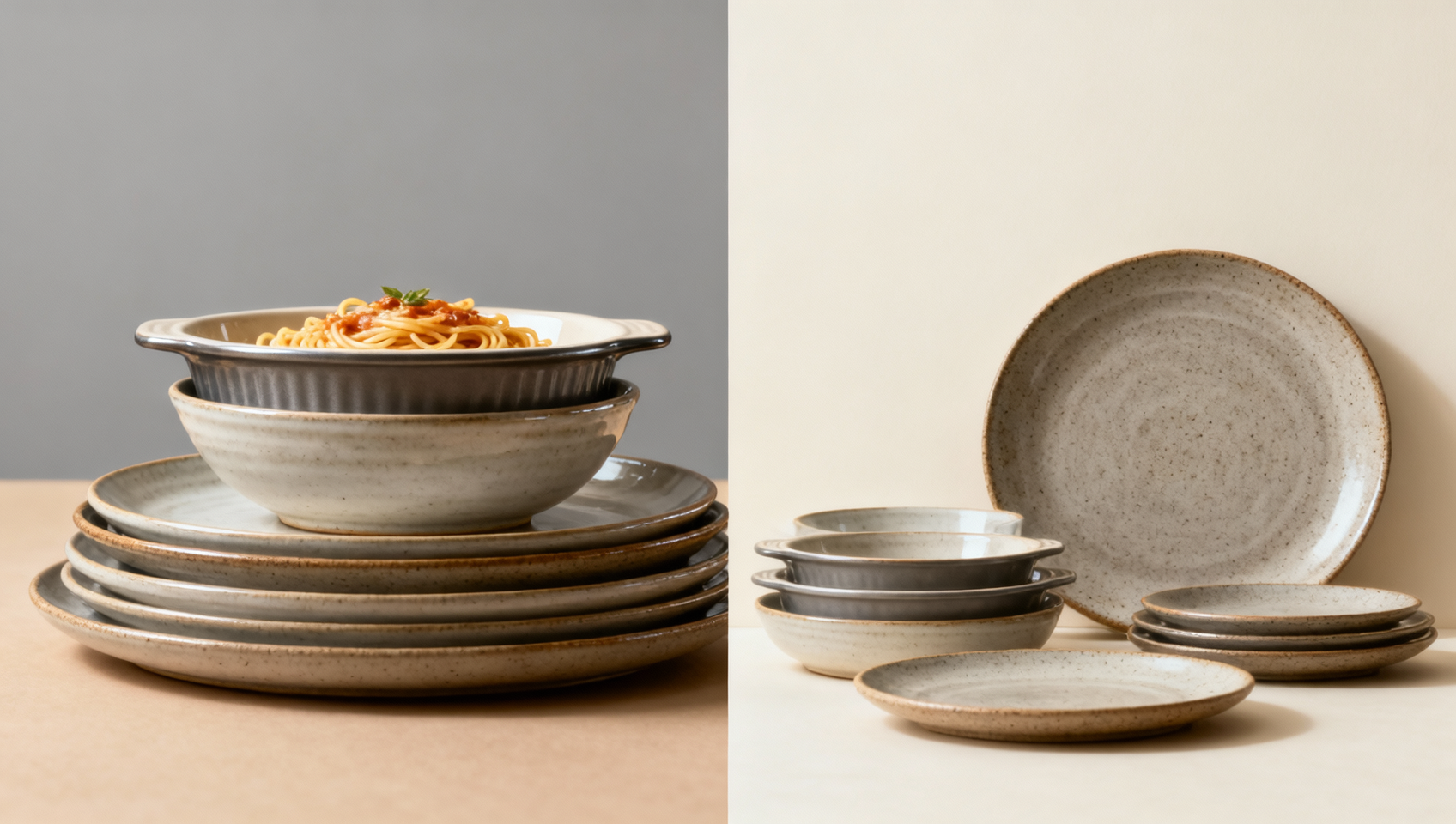
[[IMG:img_01]]In commercial settings, a centerpiece vase is rarely purchased as a one-off decorative item. Buyers may need 12, 24, or 100 identical units for banquet tables, restaurant chains, hotel lobbies, or event venues. Shape directly influences stacking risk, breakage during transport, floral design flexibility, and whether the vase suits both everyday service and special occasions.
Operators also evaluate table efficiency. A wide low bowl may create strong visual impact, but if it occupies more than 20–30 cm of tabletop diameter, it can interfere with plate service, shared dishes, or beverage placement. In foodservice environments, centerpiece height often needs to stay within a practical viewing range, commonly around 15–35 cm, so guests can still maintain eye contact across the table.
For procurement teams, shape affects the total cost of use. A narrow-neck vase may reduce stem movement and water volume, while a cylinder vase can simplify cleaning with standard brushes and reduce handling time by several minutes per unit. Across 50 tables or more, that operational difference becomes significant during setup and turnover.
Commercial selection criteria behind current demand
The most requested vase shapes are typically those that perform well in at least 4 evaluation areas:
- Visual compatibility with modern, minimalist, rustic, or luxury interiors
- Stable base-to-height ratio for safer placement in busy service zones
- Ease of pairing with flowers, candles, branches, or dry botanicals
- Practical cleaning, storage, and replacement planning for repeat use
The table below summarizes how shape influences practical use in common hospitality and foodservice environments.
The main takeaway is simple: the best-selling glass centerpiece vase shapes are requested not only because they look current, but because they support service flow, layout efficiency, and repeatable presentation standards across multiple use cycles.
The Most Requested Glass Centerpiece Vase Shapes Right Now
Current demand is led by a handful of shapes that fit both decorative and operational needs. These are widely requested by event stylists, hotel purchasing teams, restaurant operators, office décor planners, and import buyers looking for versatile inventory that can move across seasons. In most projects, the preferred shapes fall into 5 core groups.
1. Cylinder vases
Cylinder vases remain one of the strongest commercial choices because they are easy to style, easy to clean, and easy to standardize. Common heights range from 15 cm to 40 cm, allowing buyers to create low dining centerpieces or taller lobby displays with the same general silhouette. Their straight walls also support floating candles, submerged décor, fresh flowers, and dry arrangements.
2. Trumpet and flared vases
Flared shapes are frequently requested for weddings, banquets, and premium dining rooms because they create volume at the top while maintaining a smaller base footprint. This helps designers build fuller arrangements without using an oversized vessel. Buyers often select these when they want a more formal look than a simple glass home decor vase but still need broad availability and repeat ordering potential.
3. Bud vases and slim-neck forms
Bud vases are highly requested in cafés, bistros, office tables, and small-format hospitality environments. Their compact size, often between 8 cm and 18 cm, works well on tight tabletops where plates, cutlery, condiments, or ceramic serving bowls already occupy space. They also support low-cost floral refresh programs because each vase uses fewer stems and less water.
4. Fishbowl and globe vases
Round fishbowl or globe shapes continue to attract demand for reception desks, buffet counters, and feature tables. Their visual softness complements both modern and classic interiors, and they work well with short floral designs, decorative stones, moss, floating candles, or mixed fillers. However, buyers usually assess diameter carefully, since larger globe forms can occupy too much service space if used on active dining tables.
5. Bottle and organic silhouette vases
Bottle-shaped and softly sculptural vases are increasingly requested in lifestyle retail, boutique hotels, and curated office interiors. These forms align with current interest in handcrafted-looking glass office vase collections and layered tabletop styling. They are especially effective when paired with dried botanicals, single branches, or neutral palettes near stoneware plate displays and open-kitchen presentation zones.
Demand comparison by shape
The following comparison helps buyers match shape to application, styling flexibility, and daily use requirements.
Among these options, cylinder and slim-neck forms usually deliver the strongest cross-market demand because they adapt well to both daily operations and seasonal styling updates. Flared and globe shapes remain popular where presentation impact is a higher priority than table efficiency.
How Different Buyers Should Choose the Right Shape
The most requested shape is not always the right shape for every buyer. Information researchers often compare trends, but users, operators, and purchasing teams need a more practical filter. The key is to match vase shape with use frequency, arrangement type, available table space, and replacement planning. In B2B projects, a smart choice reduces waste over 6–12 months of use.
For restaurant and café operators
Dining tables need balance. If place settings already include a stoneware plate, side bowl, glassware, and condiment set, the centerpiece should be visually clean and physically compact. Bud vases, short cylinders, and narrow bottle shapes are often the safest picks. A base diameter under 12 cm is typically easier to manage on 2-person and 4-person tables.
For hotels and banquet venues
Hotels usually need 2 or 3 height categories for different zones: low dining centerpieces, medium reception displays, and statement arrangements for functions. This is why many buyers prefer families of related shapes rather than one single size. Cylinder, trumpet, and globe formats often work best when bought as coordinated sets with heights such as 15 cm, 25 cm, and 35 cm.
For office, showroom, and retail buyers
A glass office vase or display vase must feel refined without creating maintenance burden. Bottle forms, slim flared vases, and compact globe designs are commonly selected because they look curated even with minimal stems. In office environments, weekly refresh schedules are common, so easy water replacement and simple wipe-down surfaces matter as much as appearance.
A practical 5-point selection checklist
- Measure usable table space after plates, bowls, and service items are placed.
- Define the arrangement type: single stems, compact florals, dried stems, or mixed filler.
- Set a target height range based on sightlines, usually low, medium, or statement level.
- Check cleaning access, especially for narrow necks or rounded bodies.
- Plan reorder consistency if the project needs 12, 50, or 200 matching pieces.
When these 5 steps are followed, the final choice is usually more reliable than selecting based on trend images alone. Buyers can then build a vase program that supports both décor goals and service practicality.
Procurement, Packaging, and Daily Use Risks to Watch
Even when the vase shape is attractive, the wrong procurement decision can create avoidable losses. In hospitality and foodservice channels, the main risks are breakage, difficult cleaning, poor dimensional consistency, and mismatch with tableware scale. A vase that photographs well but fails during transport or turnover will increase replacement cost and labor pressure.
Common procurement risks
Buyers should verify wall thickness consistency, rim finish, base stability, and carton protection before placing volume orders. In typical sourcing practice, a pre-shipment review of 3 key points—appearance, dimension tolerance, and drop-risk packaging—can prevent many post-delivery claims. Even a small tolerance issue of a few millimeters may affect set uniformity on banquet tables.
Cleaning is another overlooked issue. Narrow bottle shapes can look premium, but if staff need extra tools or more than 2–3 minutes to clean each unit properly, labor cost rises quickly. For venues resetting dozens of tables per day, that matters more than trend appeal alone.
Risk control table for B2B buyers
The table below highlights practical control points buyers should review during sourcing and deployment.
A controlled buying process helps reduce avoidable replacement cycles, especially when orders support multi-site hospitality programs or seasonal rollouts. This is particularly important when vases must coordinate with serving pieces, ceramic bowls, or front-of-house display systems already in use.
Maintenance tips for operators
- Change water every 24–48 hours for fresh floral use to limit odor and residue buildup.
- Separate narrow-neck and wide-mouth shapes in cleaning workflows to improve staff efficiency.
- Keep 5%–10% buffer stock for banquet or high-turnover venues where accidental breakage is expected.
These small operational rules can extend usable life and keep presentation quality more consistent across daily service and event setups.
FAQ: What Buyers and Operators Ask Most Often
Which glass centerpiece vase shape is the most versatile overall?
For most commercial environments, the cylinder vase is still the most versatile. It handles fresh flowers, candles, branches, and decorative fillers, and it works in dining rooms, lobbies, buffets, and event spaces. Buyers who need one dependable shape for multiple departments often start with cylinder sizes in 15 cm, 20 cm, and 30 cm heights.
What shape is best for small restaurant tables?
Bud vases, slim-neck bottle forms, and short cylinders are usually best. They preserve table space for plates, drinks, and shared items while still adding a finished look. If the table is compact, keeping the vase footprint under roughly 10–12 cm helps avoid service interference.
Are globe vases practical for daily hospitality use?
They can be, but mostly in reception areas, lounge tables, or controlled display zones rather than tightly spaced dining tables. Globe shapes are visually attractive, yet larger diameters may limit service access. They are better suited to decorative impact than maximum tabletop efficiency.
How many spare units should a venue keep?
A practical range is often 5% to 10% above active use quantity, depending on traffic level and handling frequency. For example, if a venue uses 60 glass centerpiece vases across dining and event service, keeping 3 to 6 spare units can help maintain visual consistency without urgent reordering.
What should procurement teams compare besides shape?
They should compare packaging method, repeat-order consistency, cleaning practicality, size tolerance, and how well the vase integrates with tabletop items already in use, such as a glass home decor vase collection, ceramic serving bowl assortment, or stoneware plate program. A visually correct choice is only valuable when it also fits the operating environment.
The most requested glass centerpiece vase shapes today are those that combine styling relevance with operational logic. Cylinder, flared, bud, globe, and bottle silhouettes each have a strong place in the market, but the best option depends on table size, use frequency, cleaning workflow, and the broader presentation system around it.
For information researchers, users, buyers, and business decision-makers, the smart approach is to evaluate shape through both design and service performance. If you are planning a hospitality rollout, retail assortment, or coordinated tabletop project, now is the right time to compare shapes, confirm practical specifications, and align your vase selection with real operating needs.
Contact us today to discuss product details, request a tailored sourcing recommendation, or explore more solutions for glass vases and coordinated tabletop presentation programs.
Popular Tags
Kitchen Industry Research Team
Dedicated to analyzing emerging trends and technological shifts in the global hospitality and foodservice infrastructure sector.
Industry Insights
Join 15,000+ industry professionals. Get the latest market trends and tech news delivered weekly.
No spam. Unsubscribe anytime.
Contact With us
Contact:
Anne Yin (Ceramics Dinnerware/Glassware)
Lucky Zhai(Flatware)