
Restaurant supplies manufacturer certifications now require on-site verification—not just paper audits—in 14 major markets
Restaurant supplies manufacturers worldwide are facing a pivotal shift: 14 major markets—including the EU, US, Japan, and UAE—now mandate on-site verification for certifications, moving beyond paper audits. This change directly impacts restaurant supplies for catering, commercial restaurant supplies, stainless steel restaurant supplies, and heavy duty restaurant supplies—especially for bulk orders, hotel operations, or industrial kitchen design. Whether you’re a procurement professional sourcing from a restaurant supplies supplier, a decision-maker evaluating a restaurant supplies manufacturer, or an operator planning kitchen design for hospitals, schools, or bakeries, understanding these new compliance requirements is critical to avoid delays, cost overruns, and supply chain disruption.
Why On-Site Verification Is Replacing Paper Audits in Key Markets
Paper-based certification audits—once sufficient for ISO 9001, HACCP, NSF/ANSI 2, and CE marking—no longer meet regulatory expectations in 14 high-impact jurisdictions. These now require physical presence by accredited auditors to validate production conditions, traceability systems, material sourcing, and quality control protocols. The shift reflects intensified scrutiny of food safety integrity, especially for equipment used in central kitchens, hospital catering, and multi-unit restaurant chains where failure cascades across operations.
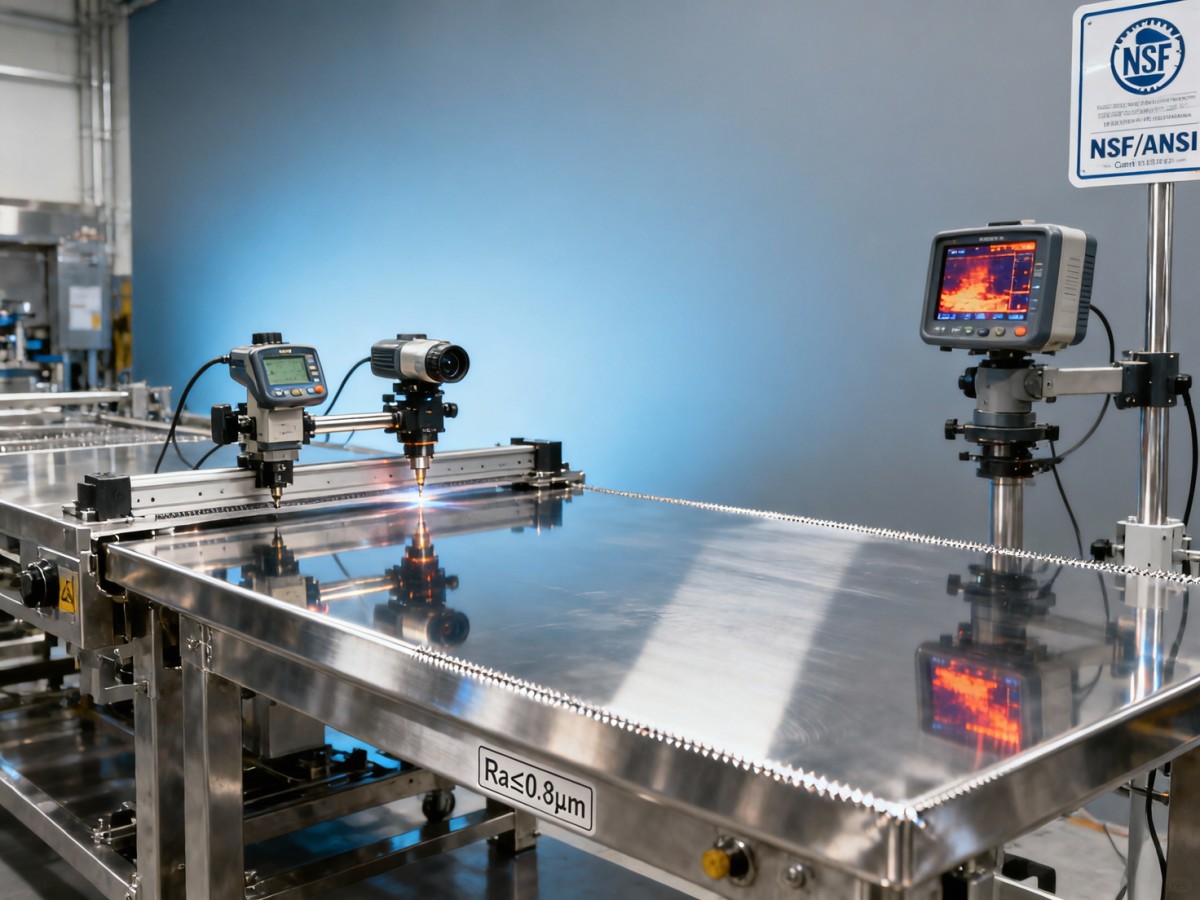
The 14 markets include the European Union (EN 1672-2), United States (FDA Food Code §4-501.11), Japan (JIS S 3202), United Arab Emirates (ESMA TRA 2023), Canada (CGSB-155.20), Australia (AS/NZS 4671), South Korea (KS C 7611), Singapore (SS 589), Saudi Arabia (SASO 2720), Turkey (TSE EN 1672-2), Brazil (ABNT NBR 16001), Mexico (NOM-003-SECRE-2022), India (BIS IS 15531), and Thailand (TIS 1753). Each requires verified evidence of stainless steel grade authenticity, weld integrity testing, surface finish Ra ≤ 0.8 µm, and documented calibration of thermal sensors within ±1.5°C.
This isn’t incremental reform—it’s a structural recalibration. Manufacturers previously qualifying via document review now face 7–15-day on-site assessments, including unannounced visits during peak production shifts. Non-conformities trigger mandatory corrective action plans with 30-day resolution windows—and repeated failures may suspend market access for up to 12 months.
What Changes for Procurement Teams?
- Lead time extensions: Certification validation now adds 4–6 weeks to initial order cycles for new suppliers.
- Higher due diligence burden: Procurement must verify auditor credentials, site visit reports, and non-conformance logs—not just certificate numbers.
- Risk exposure: Orders placed before on-site clearance carry liability for recall, rework, or rejection at border customs (e.g., FDA Import Alert 99-08).
- Contractual implications: SLAs must now specify audit readiness clauses, third-party observer rights, and penalty structures for certification lapses.
How Certification Requirements Vary Across Equipment Categories
Not all restaurant supplies face identical verification depth. Critical-path items—those directly contacting food, bearing mechanical stress, or controlling temperature—undergo tiered scrutiny. For example, stainless steel prep tables (ASTM A240 304) require full metallurgical analysis per batch, while plastic cutting boards undergo microbiological challenge testing only once per formulation change.
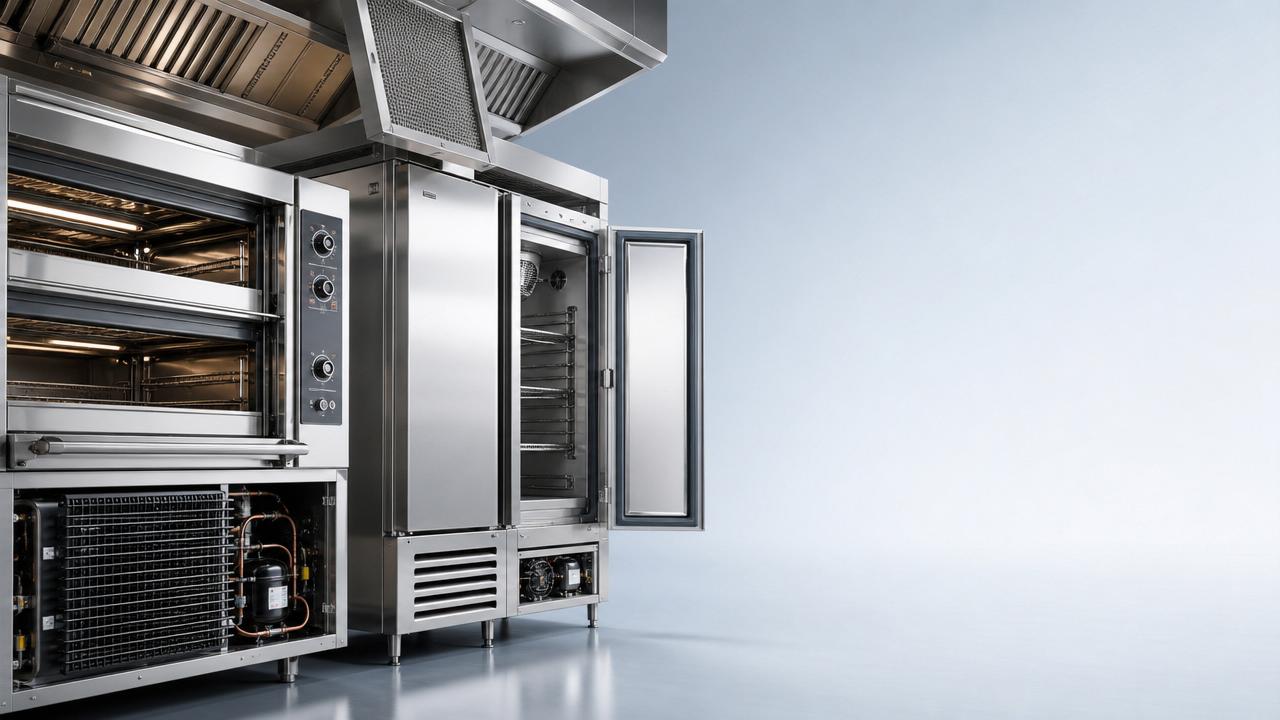
Heavy duty restaurant supplies—like blast chillers, combi ovens, and continuous fryers—face the strictest protocols. Auditors inspect thermal mapping reports (minimum 9-point validation per chamber), pressure vessel weld NDT (UT/RT Level II certified), and software validation for HACCP critical limits (e.g., 70°C hold for ≥2 min confirmed via independent data logger).
This table illustrates how verification intensity maps to functional risk. Procurement teams must align supplier evaluation criteria accordingly—prioritizing manufacturers with documented experience in on-site compliance for their specific equipment class, not just general ISO certification.
What Procurement Professionals Should Verify Before Engaging a Supplier
Certification validity is no longer static. Suppliers must demonstrate active maintenance—not just issuance. Procurement should request: (1) auditor name and accreditation body (e.g., TÜV Rheinland, SGS, UL) with current scope approval; (2) dated site visit report covering at least 3 production lines; (3) evidence of internal audit frequency (minimum quarterly); and (4) corrective action tracking for last 3 non-conformities.
Also critical: confirmation that the facility holds valid export licenses for target markets (e.g., FDA Facility Registration, EU EC 852/2004 registration, UAE ESMA product listing). A single certificate number without jurisdiction-specific authorization offers zero import assurance.
For bulk orders exceeding 50 units or custom-engineered solutions, demand pre-shipment verification protocols—including dimensional inspection reports, material test certificates, and FAT (Factory Acceptance Test) video recordings timestamped and signed by QA lead. This reduces post-delivery disputes by 70%+ based on industry claims data (2023 Kitchen Equipment Procurement Survey, FCSI).
Why Partner With a Manufacturer That Manages Global Certification End-to-End
Navigating 14 divergent on-site regimes demands more than compliance—it requires embedded regulatory intelligence. Leading kitchen equipment manufacturers now integrate regional certification managers into engineering, QA, and logistics workflows. They maintain local-language technical files, conduct mock audits quarterly, and pre-validate tooling against upcoming standards (e.g., EU’s revised Machinery Directive 2024/2896).
When you engage such a partner, you gain: accelerated market entry (average 32-day reduction in first-order clearance), consolidated documentation (single portal for EU DoC, FDA Form 3674, JIS conformity statements), and real-time alerting for regulation updates impacting your spec sheet.
We support procurement teams with free pre-qualification reviews—including gap analysis against your target markets’ latest on-site requirements, sample audit checklists, and lead-time forecasting for certified delivery. Contact us to request a customized verification roadmap for your next stainless steel restaurant supplies order, heavy duty restaurant supplies project, or integrated kitchen system rollout.
Popular Tags
Kitchen Industry Research Team
Dedicated to analyzing emerging trends and technological shifts in the global hospitality and foodservice infrastructure sector.
Industry Insights
Join 15,000+ industry professionals. Get the latest market trends and tech news delivered weekly.
No spam. Unsubscribe anytime.



Contact With us
Contact:
Anne Yin (Ceramics Dinnerware/Glassware)
Lucky Zhai(Flatware)