
Restaurant kitchen hood system problems that raise fire risk
A restaurant kitchen hood system is one of the most important fire safety barriers in a commercial kitchen. It captures grease-laden vapors, removes heat, and helps keep cooking areas compliant and workable under pressure. But when airflow drops, filters are neglected, or duct interiors collect grease, the same system can become a hidden ignition path. Understanding restaurant kitchen hood system problems that raise fire risk makes it easier to spot warning signs early, reduce shutdowns, and support safer kitchen operations across restaurants, hotels, food processing sites, and central kitchen environments.
What does a restaurant kitchen hood system actually do, and why does failure increase fire risk?
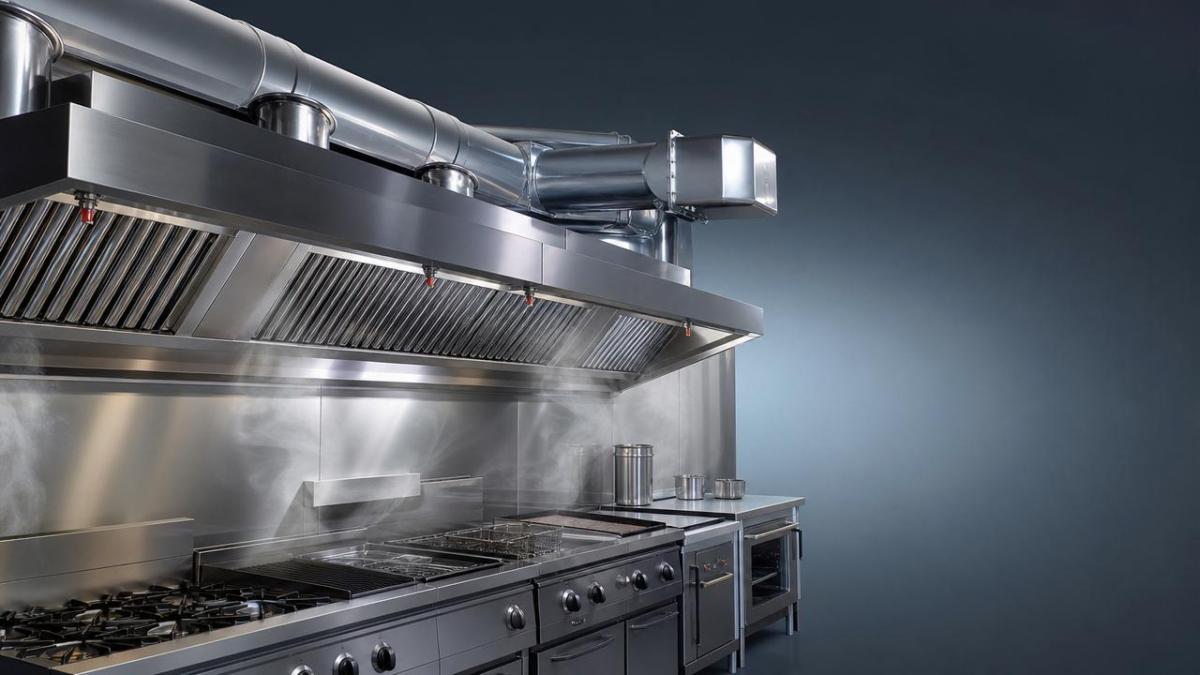
A restaurant kitchen hood system is designed to remove smoke, grease particles, steam, combustion byproducts, and excess heat generated by cooking equipment. In a busy commercial kitchen, fryers, grills, charbroilers, ranges, and woks produce airborne grease that can quickly settle inside hood plenums, filters, ductwork, and exhaust fans. If these deposits are not controlled, they form a combustible layer that can ignite from flare-ups, open flames, or overheated equipment.
This is why the hood system is not just a ventilation accessory. It is part of the kitchen’s fire prevention strategy, along with suppression systems, makeup air, and regular cleaning. When one part underperforms, the overall protection level drops. A restaurant kitchen hood system with poor capture efficiency may allow grease and heat to escape into ceilings, walls, and nearby equipment, increasing both immediate fire danger and long-term contamination.
In modern kitchen equipment environments, where high-output appliances and energy-efficient layouts are increasingly common, system balance matters even more. Tight kitchen footprints, automated cooking stations, and heavy production schedules can intensify grease load and airflow demand. That makes maintenance quality and system design critical, not optional.
Which restaurant kitchen hood system problems most often lead to dangerous grease fires?
Several recurring restaurant kitchen hood system problems are strongly linked to elevated fire risk. Some are visible during daily operation, while others stay hidden until a serious inspection failure or kitchen fire occurs.
1. Grease buildup inside filters, ducts, and fans
This is the most common and most dangerous issue. Grease deposits accumulate gradually and often out of sight. Surface cleaning of the hood canopy alone is not enough if duct interiors and exhaust fan components remain coated. Once grease thickens, even a small flame surge can travel upward and spread through the exhaust path.
2. Clogged or damaged grease filters
Filters that are missing, installed incorrectly, bent, or overloaded with residue reduce grease extraction performance. Instead of directing grease safely into collection channels, they allow contaminants to pass into ducts. This accelerates fire loading inside the restaurant kitchen hood system and weakens daily ventilation.
3. Poor airflow or unbalanced ventilation
If exhaust volume is too low, smoke and vapors spill into the kitchen. If makeup air is badly balanced, the hood may not capture contaminants effectively. Doors become hard to open, staff feel drafts, and cooking lines become hotter than normal. These are not just comfort issues; they often signal that grease and heat are not being controlled where they originate.
4. Improper hood sizing or appliance mismatch
A restaurant kitchen hood system should match the type, output, and arrangement of cooking equipment beneath it. Expanding a menu, adding solid-fuel cooking, or replacing appliances with higher-BTU models without rechecking the hood system can create capture failure. Heat and grease then escape beyond the hood boundary, raising ignition risk around the cooking line.
5. Neglected exhaust fan and roof components
Exhaust fans often receive less attention than visible hood surfaces. Yet fan blades, hinges, and grease containment areas can hold large amounts of flammable residue. Mechanical wear can also reduce exhaust performance, creating a double risk: more fuel and less ventilation.
How can you tell when a restaurant kitchen hood system is becoming a fire hazard?
A restaurant kitchen hood system usually gives warning signs before a fire event. The challenge is recognizing them as safety indicators rather than routine kitchen inconvenience.
- Visible grease dripping from hood seams, filters, or duct access points
- Smoke escaping into the room during peak cooking periods
- Unusual odors, especially burnt grease smells after equipment startup
- Excessive heat around the line despite normal cooking volume
- Noisy or vibrating exhaust fan operation
- Sticky ceilings, walls, light covers, or nearby surfaces
- Frequent filter saturation or overflowing grease cups
- Suppression nozzles blocked by grease or positioned incorrectly after service work
These symptoms often appear together. For example, poor airflow combined with greasy filters can cause smoke spillage and rapid surface contamination. In high-volume restaurant kitchens, that condition can escalate quickly. If operation continues without correction, the restaurant kitchen hood system may no longer contain a flare-up from a fryer or range.
A practical approach is to combine daily visual checks with scheduled deep inspections. Staff may notice drips or odor changes first, while trained technicians can confirm hidden grease levels, fan performance, and duct condition. Both observations matter.
What maintenance mistakes create the biggest gaps in fire prevention?
Many restaurant kitchen hood system failures are not caused by a single defect, but by small maintenance errors repeated over time. The most damaging mistake is assuming that visible cleanliness equals system safety. A polished hood front can hide dangerous duct contamination above the ceiling line.
Another common mistake is irregular cleaning frequency. Heavy-duty cooking operations need more frequent service than light-duty kitchens. If menu changes increase frying, grilling, or wok cooking, the cleaning schedule should be adjusted accordingly. Using an old schedule after production intensity rises leaves the restaurant kitchen hood system underprotected.
Incomplete post-service reassembly is another serious issue. Filters may be reinstalled backward, fan hinges may not be secured, or access panels may be left with gaps. Even a technically cleaned system can become unsafe if parts are not returned to proper operating position.
Ignoring coordination between hood cleaning and fire suppression inspection also creates risk. If nozzles are obstructed, caps are missing, or pull stations are not verified after maintenance, a fire may spread before suppression activates effectively. In commercial kitchen environments using advanced kitchen equipment and integrated systems, maintenance should be treated as a connected safety process rather than a set of separate tasks.
How should different kitchen environments assess restaurant kitchen hood system risk?
Not every facility places the same demand on a restaurant kitchen hood system. Risk depends on cooking method, production hours, appliance density, and grease output. A small café using limited hot equipment faces a different profile than a hotel banquet kitchen, quick-service fryer line, or central production facility.
High-risk environments include operations with continuous frying, charbroiling, solid-fuel cooking, and long service windows. These kitchens generate more airborne grease and often need shorter cleaning intervals, tighter inspection control, and stronger ventilation verification. Facilities that recently introduced smart kitchen equipment or automated cooking stations should also confirm that airflow still matches real heat and vapor loads.
Mixed-use sites such as hotels, institutional kitchens, and food processing support areas should pay attention to changes in production patterns. Temporary seasonal peaks, banquet surges, or menu expansion can overload a restaurant kitchen hood system that previously seemed adequate. Fire risk often increases during these transitions, because the system was designed for older conditions.
What is the safest way to reduce fire risk without disrupting kitchen operations?
The safest strategy is structured prevention. Start with a documented inspection routine that covers hood surfaces, filters, grease cups, duct access points, fan condition, and visible suppression components. Daily checks catch obvious changes, while periodic professional cleaning addresses hidden buildup inside the full restaurant kitchen hood system.
Next, verify system performance whenever cooking equipment changes. Adding a new fryer battery, switching to higher-output appliances, or rearranging line equipment can alter capture performance. In the kitchen equipment industry, where efficiency upgrades and smart systems are becoming standard, ventilation should be reviewed alongside appliance modernization.
It is also wise to keep a simple correction log. Record odors, smoke spillage, service dates, airflow issues, and repair findings. Patterns become easier to spot, and small recurring faults can be fixed before they become major restaurant kitchen hood system hazards. This supports compliance, extends equipment life, and reduces emergency downtime.
Finally, treat fire safety as an operating discipline, not a one-time project. A clean, balanced, and properly matched restaurant kitchen hood system protects people, property, and production continuity. If warning signs appear, respond early: inspect the system, verify ventilation, correct grease-related issues, and align maintenance with actual cooking intensity. That next practical step can make the difference between a manageable service task and a costly kitchen fire.
Popular Tags
Kitchen Industry Research Team
Dedicated to analyzing emerging trends and technological shifts in the global hospitality and foodservice infrastructure sector.
Industry Insights
Join 15,000+ industry professionals. Get the latest market trends and tech news delivered weekly.
No spam. Unsubscribe anytime.
Hot Articles
Contact With us
Contact:
Anne Yin (Ceramics Dinnerware/Glassware)
Lucky Zhai(Flatware)