
How to Choose a Glass Tea Server for Hot and Cold Brewing Without Cracking
How to Choose a Glass Tea Server for Hot and Cold Brewing Without Cracking
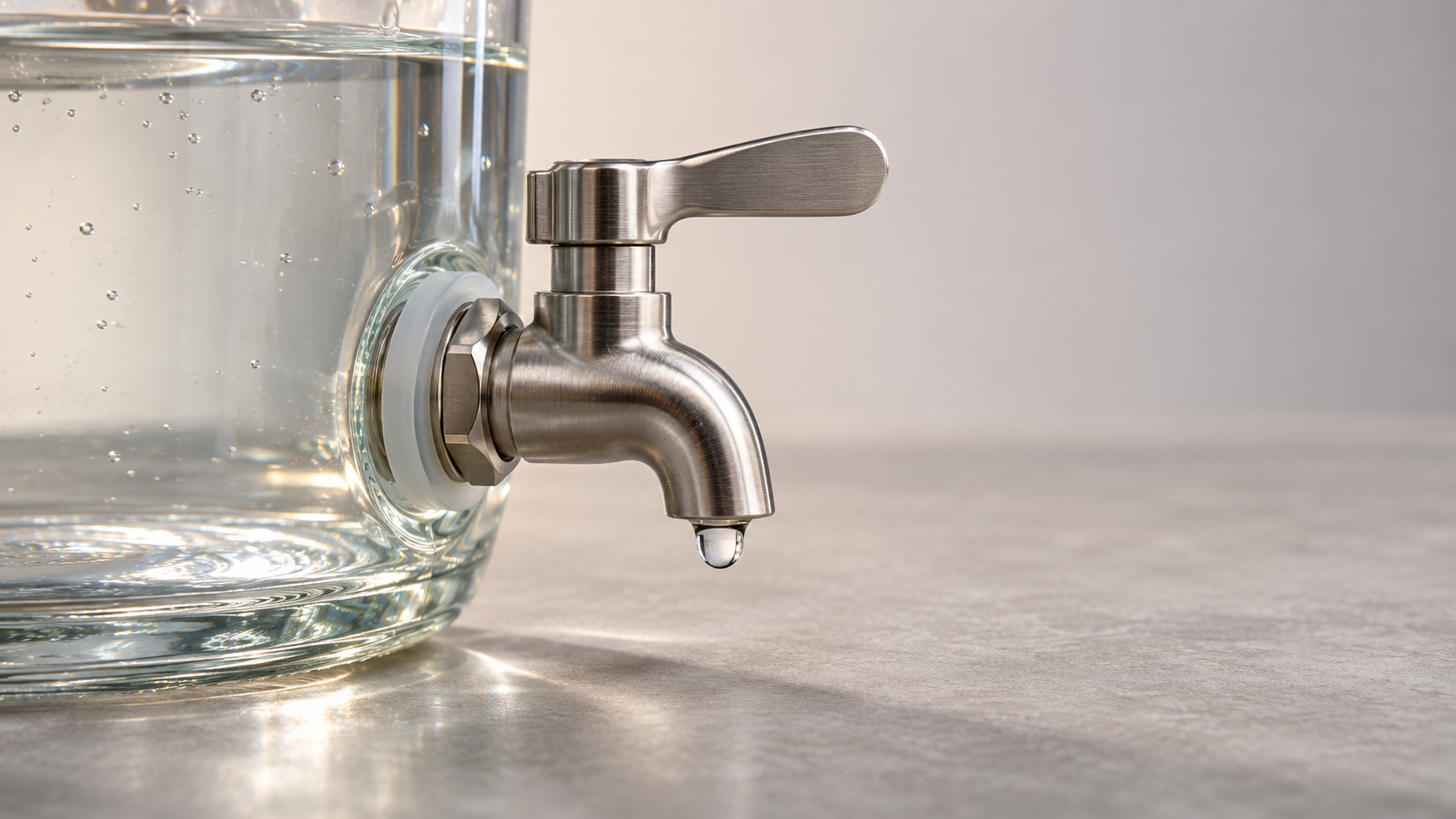
A glass tea server is one of those kitchen pieces that seems simple until it fails. The first crack may appear when hot tea meets a cold countertop. A handle may loosen after repeated dishwasher cycles. Or the server may pour beautifully for one person but become awkward and messy when filled for a small table.
For loose-leaf drinkers, cold-brew fans, and anyone who wants to serve tea without hiding its color and clarity, glass remains a practical choice. It does not retain flavors the way some plastics or poorly glazed ceramics can, and it lets you judge strength, sediment, and serving level at a glance. Still, not every clear pot is built for boiling water, fridge storage, and daily handling. Choosing well comes down to the glass itself, the shape, the temperature changes it will face, and a few small construction details that are easy to overlook online.
Start with the way you actually make tea
The right glass tea server depends less on how it looks empty and more on its brewing routine. A person making two cups of green tea at a desk needs something different from a household that prepares chilled hibiscus tea for dinner, or a café that uses servers repeatedly through a busy morning.
For hot brewing, ask whether the server will receive freshly boiled water directly, or whether tea will be brewed elsewhere and decanted into it. That distinction matters. If boiling water goes straight into the vessel, thermal resistance should be a primary buying criterion rather than a nice extra. For cold brewing, the risk is usually not the chilled tea itself; it is moving a server too quickly between very different environments, such as from a refrigerator to a hot-water rinse or onto a warm appliance surface.
A useful rule is to buy for the most demanding routine you expect, not the gentlest one. A thin decorative pitcher may work for room-temperature tea, but it is a poor compromise if you regularly prepare hot oolong, pour over ice, or wash the vessel immediately after serving.
Glass type matters more than thickness alone
When shoppers see “heat-resistant glass,” they often assume every product performs the same way. It does not. The product description should identify the material clearly. Borosilicate glass is widely used in tea and coffee ware because it is generally better suited to temperature changes than ordinary soda-lime glass. That makes it a sensible option for servers used with hot water, iced tea, and repeated kitchen use.
Tempered glass is another category you may encounter. It can be strong in everyday use, but “tempered” does not automatically mean it is the best vessel for direct boiling water or rapid hot-to-cold changes. Construction, manufacturing quality, and the maker’s stated temperature-use guidance still matter. If the listing only says “high-quality glass” or “crystal clear glass” without explaining what the vessel is made from, treat that as missing information rather than proof of heat resistance.
Thickness deserves a more nuanced look. A heavier server can feel reassuring, but extra mass does not guarantee better thermal-shock resistance. In fact, uneven wall thickness, a thick heavy base paired with a thin body, or poorly formed joints can create stress points. A well-made lightweight borosilicate server may be more appropriate for tea than a thicker but unspecified glass jug.
Look closely at the base, spout root, handle attachment, and rim. These are the areas most likely to suffer from concentrated stress. Smooth transitions are preferable to abrupt, bulky-looking joins. Small bubbles or faint marks are not always a functional problem in handmade glass, but deep scratches, sharp seam lines, or visibly uneven sections are reasons to choose another piece.

Understand what really causes cracking
Most glass tea servers do not fail because the tea is “too hot” in isolation. They fail because one part of the vessel heats or cools much faster than another. Pouring boiling water into a server that has been sitting in a cold kitchen, placing a hot server in a sink with cold water, or setting it onto a wet stone counter can produce a sudden temperature difference across the glass.
A server can also accumulate damage gradually. Repeated contact with metal teaspoons, stacking in a crowded cabinet, abrasive scrubbing pads, and minor knocks at the rim may leave small surface flaws. A later temperature change then exposes the weakness. The break can feel sudden, but the conditions often built up over time.
There is no completely crack-proof glass tea server. Even a well-chosen borosilicate model should be handled with basic temperature discipline. Pre-warm it with a little warm water before adding near-boiling water, especially in winter. Let a hot vessel cool naturally before refrigerating it. Do not pour hot tea over a large volume of ice inside a very cold server if you can avoid it; adding ice to a serving glass after decanting is usually the gentler approach.
Choose capacity by finished tea, not headline volume
Capacity labels can be misleading because a server should not be filled to its rim. You need room for pouring, steeped leaves if using an insert, and a lid if the design includes one. A compact server may be ideal for one or two small cups, while a larger vessel makes more sense for iced tea or shared meals. The larger size is not automatically more versatile, though. A full oversized server can be difficult to lift one-handed, particularly if its handle is small or placed too close to the hot body.
Think about your cup size and the way you serve. If you usually make a single strong infusion and divide it into small cups, a modest server gives better control and keeps tea from cooling too long. If you drink chilled fruit tea throughout the afternoon, a wider, larger-bodied server may be practical, provided it fits comfortably on a refrigerator shelf and under the tap for cleaning.
A good pour is a safety feature, not just a luxury
Many buying decisions focus on glass grade and forget the spout. Yet a badly shaped spout is what turns tea service into a sticky counter. Before buying, inspect photos for the angle of the spout and whether the rim has a defined pouring lip. Very short or rounded spouts may look clean but can encourage dribbling, especially when the vessel is nearly full.
The handle should allow a secure grip without forcing your knuckles against the hot body. For a larger glass tea server, generous finger clearance matters more than an elegant loop. If you prefer handle-free designs, choose one with a heat-safe sleeve or plan to decant tea after it has cooled slightly. Bare glass can be beautiful, but beauty is not much help when the server is too hot to pour safely.
Lids and filters need the same scrutiny. A lid should sit securely without sealing so tightly that steam pressure becomes a concern. If a server includes a metal or plastic infuser, check whether it can be removed easily and whether the holes are fine enough for the teas you use. Fine-cut rooibos and broken-leaf black tea can pass through wide filter holes. Conversely, an extremely fine filter may slow pouring and become tedious to rinse.
Cleaning is where many attractive designs lose their appeal
A narrow-necked server can look refined on a shelf but become frustrating after a few weeks of tea stains. If you regularly brew whole leaves, fruit pieces, or cold infusions with herbs, favor a wide opening that allows a soft brush or sponge to reach the bottom. Removable lids, filters, and silicone parts should be easy to take apart and dry completely.
Dishwasher suitability should be confirmed in the manufacturer’s care guidance, not assumed. Even when the glass itself is dishwasher-safe, the real question is whether the handle, printed markings, lid components, and filter will tolerate repeated cycles. In household use, gentle hand washing often extends the life of delicate tea ware. In hospitality settings, where turnaround and consistency matter, a simpler shape with fewer crevices is often the more sensible choice.
This practical bias reflects a broader shift in kitchen equipment: products are expected to be attractive, but also easier to clean, safer to use, and more efficient in daily routines. Whether the server sits in a home kitchen, hotel breakfast area, or small tea counter, the best design reduces avoidable handling steps rather than adding them.
Questions worth asking before checkout
A product page does not need to be long to be useful, but it should answer the questions that affect safe use. Can the seller identify the glass material? Does the care guidance state whether the server is suitable for hot liquids, refrigeration, or dishwasher cleaning? Are the lid and infuser materials identified? Is there a clear view of the spout, base, and handle connection rather than only styled lifestyle photos?
Be cautious with vague phrases such as “temperature resistant” when no practical instructions follow. Also be wary of a single review claiming a vessel “exploded” or “never breaks.” Individual experiences can be helpful, but they rarely explain whether the glass had prior damage, whether it was exposed to thermal shock, or whether it was used outside the maker’s guidance. Look instead for consistent feedback on pouring, cleaning, lid fit, and durability over ordinary use.
The best choice is rarely the most elaborate one. For year-round hot and cold brewing, prioritize clearly identified heat-suitable glass, a stable base, a comfortable handle, a clean-pouring spout, and an opening you can actually wash. Then protect that investment with sensible temperature changes. A well-made glass tea server should let you enjoy the color and ritual of tea without making every pour feel like a risk.
Popular Tags
Kitchen Industry Research Team
Dedicated to analyzing emerging trends and technological shifts in the global hospitality and foodservice infrastructure sector.
Industry Insights
Join 15,000+ industry professionals. Get the latest market trends and tech news delivered weekly.
No spam. Unsubscribe anytime.

Contact With us
Contact:
Anne Yin (Ceramics Dinnerware/Glassware)
Lucky Zhai(Flatware)