
Restaurant Supplies for Catering Companies: What to Buy for Off-Site Events
Restaurant Supplies for Catering Companies: What to Buy for Off-Site Events
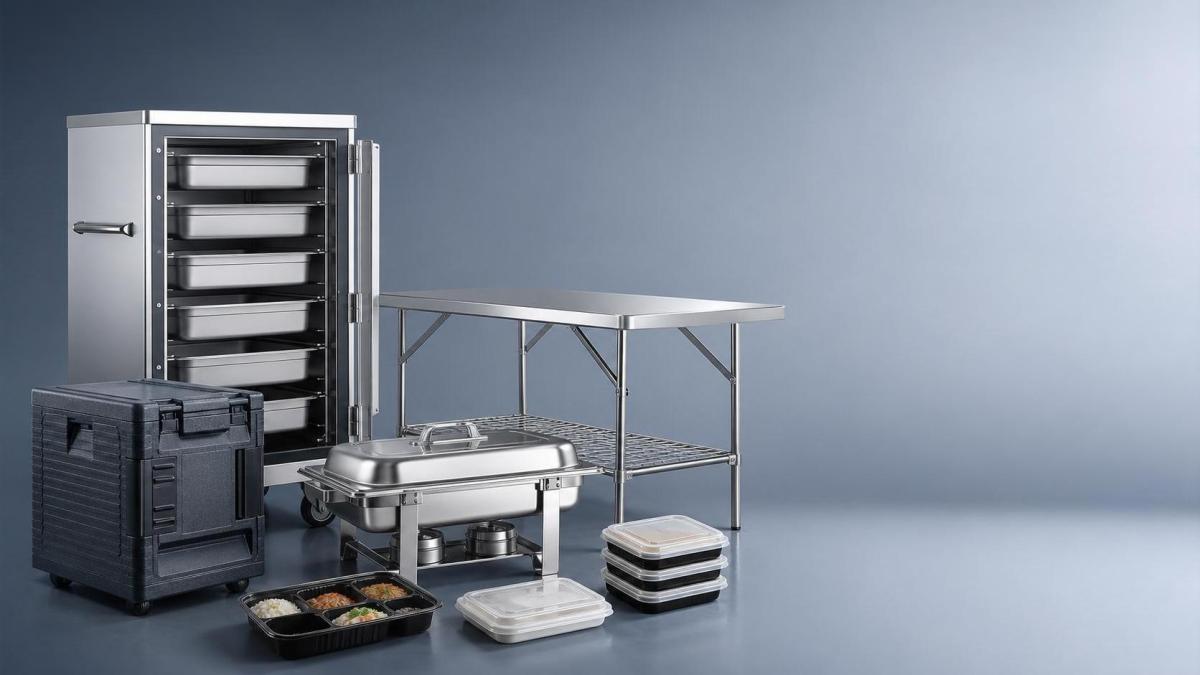
Choosing the right restaurant supplies for catering companies can shape every part of an off-site event. It affects food safety, loading speed, labor efficiency, and guest experience.
That matters even more when events move between hotels, offices, gardens, and temporary venues. Every location changes the workflow, equipment demand, and transport pressure.
For purchasing decisions, the goal is not buying everything. The goal is building a practical kit that travels well, performs consistently, and stays cost-efficient over time.
In practice, the best restaurant supplies for catering companies combine durability, mobility, food protection, and simple cleaning. That mix supports faster setup and fewer service disruptions.
Start with the Real Demands of Off-Site Catering
Off-site service is different from fixed kitchen operations. Equipment must survive transport, limited prep space, uneven power access, and tight service windows.
That is why restaurant supplies for catering companies should be selected by event type first, not by catalog category alone.
A wedding buffet needs holding and display solutions. A corporate lunch needs fast packaging and simple portion control. A remote outdoor event needs transport-ready and insulated equipment.
Before buying, define three planning variables:
- Average guest count per event
- Menu complexity and hot or cold ratio
- Distance from kitchen to venue
These factors help separate must-have supplies from nice-to-have items. They also reduce overspending on equipment that rarely leaves storage.
Core Restaurant Supplies for Catering Companies
Most off-site operations rely on the same supply backbone. The exact models may vary, but the buying priorities stay surprisingly consistent.
1. Food Transport Equipment
Transport is often where quality is lost. Invest first in insulated food carriers, thermal boxes, pan racks, and secure transport carts.
Look for strong latches, stackable design, reinforced corners, and easy-grip handles. For hot food, heat retention time matters more than appearance.
For cold service, choose containers that maintain temperature without heavy condensation. Good seals help reduce leaks and contamination risk.
2. Food Holding and Service Equipment
Once food arrives, it must stay stable during service. Chafing dishes, induction warmers, insulated dispensers, and portable refrigeration units are key restaurant supplies for catering companies.
Choose holding equipment based on service duration and menu sensitivity. Sauces, proteins, and fried items all react differently to heat and humidity.
If the venue has uncertain power access, fuel-based backup warming solutions still deserve a place in the purchasing plan.
3. Prep and Utility Tools
Portable prep tables, food pans, cutting boards, mixing bowls, utility knives, tongs, ladles, and sheet trays support on-site finishing work.
Stainless steel remains a practical choice because it handles repeated cleaning, heavy use, and transport friction better than many lighter materials.
In recent market shifts, buyers are paying more attention to multi-use tools. One item that fits prep, transport, and service often lowers replacement cost.
4. Disposable and Front-of-House Supplies
Not every event needs premium china and flatware. Many operations need disposable plates, cups, lids, napkins, cutlery, and takeaway containers.
However, low unit price should not be the only benchmark. Poor-quality disposables create leaks, breakage, and a weaker brand impression.
For restaurant supplies for catering companies, balanced sourcing means matching product grade to event positioning and menu weight.
How to Prioritize Purchases by Cost and Frequency
A smart buying plan starts with usage frequency. Items used every week deserve stronger materials and better warranties.
Items used only for seasonal or premium events can be rented, shared, or purchased later. This approach protects cash flow without weakening service ability.
A simple purchasing framework works well:
- Buy first: transport, holding, sanitation, and prep essentials
- Buy second: presentation upgrades and specialty service pieces
- Delay or rent: low-frequency display equipment
This helps restaurant supplies for catering companies stay aligned with actual business volume, not optimistic forecasts.
Sample Priority Matrix
Do Not Overlook Sanitation and Food Safety Supplies
In off-site catering, sanitation failures are expensive. They can lead to waste, complaints, and damaged client trust.
That is why restaurant supplies for catering companies should always include dedicated food safety tools, not just cooking and serving items.
- Food-safe storage containers with clear labeling space
- Digital thermometers and temperature logs
- Handwashing stations or portable hygiene setups
- Sanitizer buckets, disposable gloves, and cleaning cloths
- Waste bins with lids for back-of-house control
More buyers are also choosing easy-clean surfaces and modular equipment. Faster cleaning cuts labor time and supports tighter event turnarounds.
What to Ask Suppliers Before Placing Orders
Price matters, but poor supplier fit often costs more later. Delays, inconsistent quality, and missing replacement parts create operational pressure.
When sourcing restaurant supplies for catering companies, ask direct questions early:
- What is the expected lifespan under frequent transport use?
- Are replacement parts available locally or regionally?
- Can products stack, nest, or fold for storage efficiency?
- What food safety or material certifications apply?
- How stable are lead times during peak season?
This is especially important in a market moving toward smarter and more energy-efficient kitchen solutions. Compatibility and long-term support now influence value more than ever.
Look for Scalable and Energy-Efficient Options
The kitchen equipment sector is changing quickly. Portable induction units, smart holding systems, and efficient refrigeration are becoming more common in event catering.
That does not mean every operation needs the newest technology. It means purchasing should consider future growth and energy use from the start.
For example, modular systems can support both small meetings and large banquets. Energy-efficient units can reduce running costs across frequent service schedules.
In actual business conditions, scalable restaurant supplies for catering companies make expansion easier. They also reduce the risk of replacing equipment too early.
Common Buying Mistakes to Avoid
Several mistakes appear again and again in catering procurement. Most of them come from focusing on upfront price instead of total use value.
- Buying heavy equipment that slows loading and unloading
- Ignoring storage dimensions and vehicle fit
- Choosing fragile disposables for hot or liquid menus
- Skipping backup holding or sanitation supplies
- Overinvesting in specialty pieces with low event frequency
A more reliable path is testing core items in live operations, then scaling orders after feedback from kitchen and service teams.
Build a Buying List That Works in the Field
The strongest restaurant supplies for catering companies are not always the most expensive. They are the ones that perform across different venues without adding friction.
Start with transport, holding, prep, sanitation, and service basics. Then add presentation and specialty equipment based on repeat demand and client mix.
If a product improves mobility, protects food quality, saves labor, and survives frequent use, it likely deserves a place on the shortlist.
A practical sourcing plan keeps costs visible, reduces event risk, and supports steady growth. That is what smart purchasing should deliver for off-site catering.
Popular Tags
Kitchen Industry Research Team
Dedicated to analyzing emerging trends and technological shifts in the global hospitality and foodservice infrastructure sector.
Industry Insights
Join 15,000+ industry professionals. Get the latest market trends and tech news delivered weekly.
No spam. Unsubscribe anytime.
Hot Articles
Contact With us
Contact:
Anne Yin (Ceramics Dinnerware/Glassware)
Lucky Zhai(Flatware)