
How to Choose a Glass Sugar Jar for Cafes, Bakeries, and Home Counters
Choosing a glass sugar jar sounds simple, yet it affects hygiene, service speed, and visual presentation every day. In cafes, bakeries, and home counters, the right jar should do more than look clean and attractive.
A practical choice protects sugar from moisture, supports smooth refilling, and fits the pace of the space where it is used. That matters even more now, as kitchen equipment decisions are increasingly tied to food safety, efficiency, and durable long-term value.
Within the broader kitchen equipment industry, even small tabletop items are being evaluated more carefully. Buyers are not only comparing style, but also materials, sealing performance, maintenance needs, and how well each item supports consistent daily operations.
Why a Glass Sugar Jar Deserves More Attention
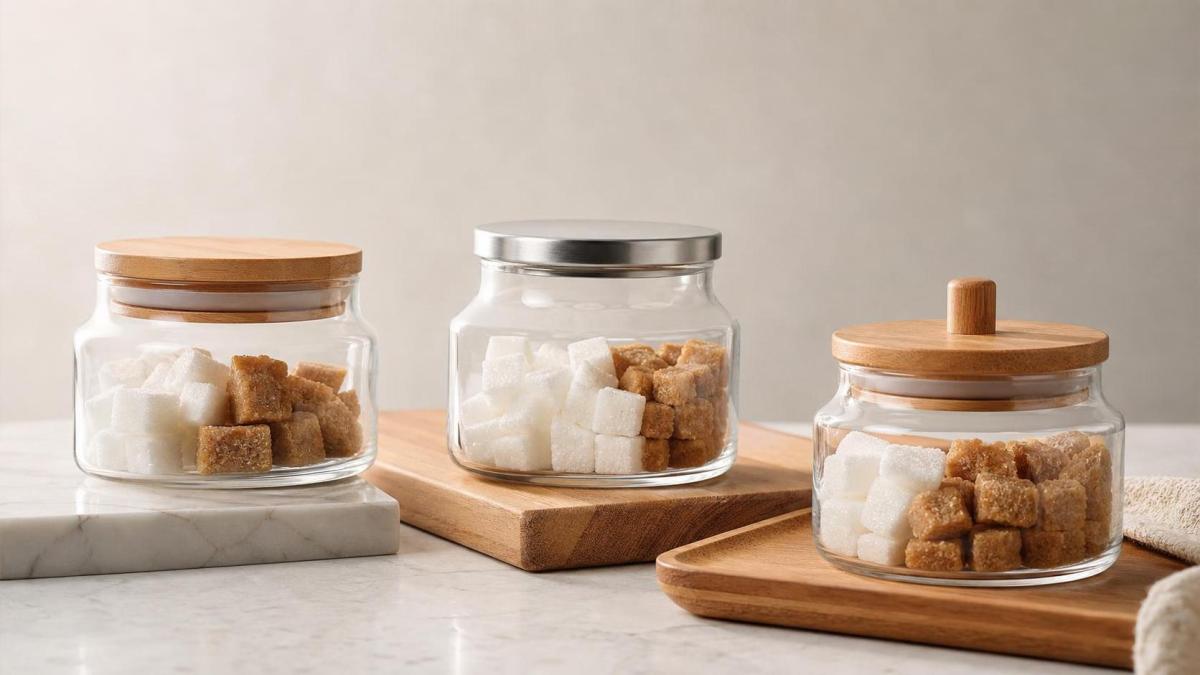
Sugar storage sits at the intersection of presentation and utility. A glass sugar jar is visible to guests, handled by staff, and exposed to changing temperatures, humidity, and frequent opening throughout the day.
In foodservice settings, that makes it part of the operating system, not just a decorative accessory. A poor jar can cause clumping, slow service, create cleaning problems, or weaken the visual standard of the counter.
Glass also carries a specific advantage. It lets users check fill levels and product condition immediately. That supports faster replenishment and reduces the risk of stale sugar remaining unnoticed in opaque containers.
At the same time, clear storage aligns with a wider market trend. Across commercial kitchens and household products, transparency, food-safe materials, and easy sanitation are now basic expectations rather than premium extras.
Start With the Real Use Environment
Before comparing shapes or lid styles, it helps to define where the jar will actually sit. A glass sugar jar for a busy espresso bar has different priorities from one placed on a breakfast buffet or a home coffee station.
Cafes
Cafe counters usually need quick access, stable placement, and a compact footprint. The jar may be opened dozens of times each shift, so grip, lid speed, and easy refilling matter more than decorative detail.
For self-service condiment stations, durability becomes even more important. Customers may handle the container less carefully than trained staff, so balance and lid security should be checked closely.
Bakeries
Bakeries often use sugar near pastry displays, beverage corners, or packaging areas. In this setting, the glass sugar jar should match the visual tone of the store while still resisting flour dust, sticky hands, and repeated cleaning.
If specialty sugars are offered, product visibility becomes even more useful. Clear labeling and different jar capacities can help separate white sugar, raw sugar, or flavored sugar without visual clutter.
Home counters
Home use is usually lower volume, but expectations are often higher for appearance and convenience. The ideal glass sugar jar should be easy to clean, easy to refill, and suitable for open shelving or countertop display.
In smaller kitchens, stackability and shape can matter more than capacity. A jar that looks elegant but wastes space may quickly become inconvenient.
Material and Build Quality Matter More Than Style Alone
Not all glass containers perform the same way. Thickness, rim finish, lid construction, and the quality of attached components all influence service life and user experience.
A good glass sugar jar should use food-safe glass with a smooth finish and no sharp seams around the opening. The body should feel stable in the hand and strong enough for frequent daily handling.
The lid deserves equal attention. Metal, bamboo, wood, ceramic, or stainless steel lids can all work, but the sealing element is critical. A weak gasket often causes moisture entry long before the jar itself shows wear.
It is also worth checking whether the lid remains reliable after repeated washing. Some attractive materials warp, stain, or lose fit over time, especially in humid bakery or coffee environments.
Core build points to compare
- Glass thickness and resistance to everyday knocks
- Food-safe contact surfaces and smooth internal walls
- Lid alignment and gasket quality
- Base stability on stone, wood, or metal counters
- Ease of opening with dry or slightly wet hands
Sealing Performance and Food Safety Are Practical Priorities
Sugar seems low risk, but storage conditions still affect quality. Once moisture enters the container, clumping starts quickly. In open service areas, dust and airborne particles can also become an issue.
That is why a glass sugar jar should seal consistently without becoming difficult to open. An overly tight lid slows service. A loose one undermines freshness and creates avoidable waste.
Food safety expectations across the kitchen equipment sector have grown sharply. Whether a product is used in a hotel pantry or on a home counter, buyers increasingly look for clear material declarations, reliable manufacturing quality, and easy-to-sanitize surfaces.
In practice, smooth glass is easier to inspect than many plastic alternatives. It does not absorb odor easily, and residue is more visible during washing. That helps maintain a cleaner operating routine.
Capacity, Access, and Workflow Should Stay in Balance
A larger jar reduces refill frequency, but oversized containers can become awkward on crowded counters. A smaller jar may look refined, yet constant refilling adds labor and interruptions during peak periods.
The right balance depends on turnover, available space, and serving style. A spoon-access jar may work well behind the counter, while a pour-friendly or easy-lift lid may fit self-service better.
The following comparison can help clarify common priorities.
Design Still Matters, but It Should Support the Space
A glass sugar jar is always partly functional and partly visual. On an open counter, it contributes to the perceived order and quality of the entire setup.
In cafes and bakeries, a clean cylindrical or square profile usually works best because it is easy to line up, label, and store. Excessive ornament may collect dust or complicate wiping.
For home counters, design can be more expressive, but usability should still lead. If the lid is awkward or the opening is too narrow for a scoop, the jar will not stay in regular use.
Color tone matters as well. Clear glass often feels the most versatile because it matches coffee equipment, pastry displays, stainless steel appliances, and modern residential kitchens equally well.
Questions Worth Asking Before Final Selection
A strong buying decision usually comes from narrowing the operating context first, then comparing specific construction details. That approach is common across the kitchen equipment industry, where even small tools are expected to support efficiency and consistency.
- Will the glass sugar jar be handled by staff only, or by guests as well?
- How often will it be opened, refilled, and washed?
- Is moisture control a serious concern in the location?
- Does the opening fit the intended scoop or pouring method?
- Can replacement units be matched easily if the range expands later?
- Does the design align with the rest of the counter equipment?
These questions help move the decision away from appearance alone. They also reduce the chance of choosing a jar that photographs well but performs poorly in routine use.
A Smarter Way to Evaluate Options
In a market shaped by global sourcing, energy-conscious operations, and rising quality expectations, small equipment choices are increasingly judged by total usefulness. A glass sugar jar should fit that same logic.
The best option usually combines visible cleanliness, dependable sealing, easy handling, and a design that belongs in the intended setting. When those factors come together, the jar supports both presentation and everyday efficiency.
A practical next step is to compare several models using a simple checklist: capacity, lid performance, glass quality, cleaning effort, and counter fit. That makes the final decision clearer and easier to defend over time.
Popular Tags
Kitchen Industry Research Team
Dedicated to analyzing emerging trends and technological shifts in the global hospitality and foodservice infrastructure sector.
Industry Insights
Join 15,000+ industry professionals. Get the latest market trends and tech news delivered weekly.
No spam. Unsubscribe anytime.
Hot Articles
Contact With us
Contact:
Anne Yin (Ceramics Dinnerware/Glassware)
Lucky Zhai(Flatware)