
Glass Decorative Vase: Which Shapes and Thickness Levels Work Best for Retail Display?
Glass Decorative Vase: Which Shapes and Thickness Levels Work Best for Retail Display?
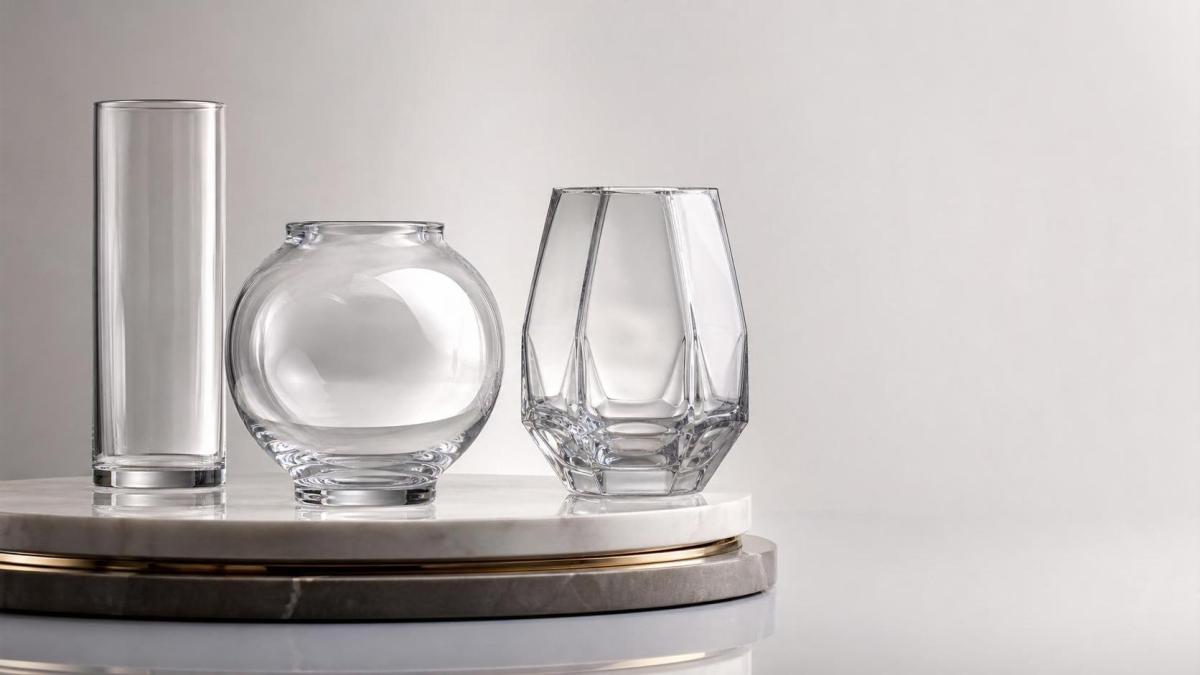
For retail display, a glass decorative vase must do more than look attractive. It needs to hold visual attention, fit shelf layouts, and survive repeated handling.
That is why shape and thickness matter so much. They influence stability, light reflection, transport loss, and how easily shoppers imagine the vase at home.
In practical buying decisions, the best glass decorative vase is usually the one that balances appearance, stock efficiency, and breakage control.
This matters across home decor channels, gift shops, supermarket lifestyle sections, and kitchen-related retail collections where presentation drives impulse sales.
From recent market changes, buyers are leaning toward products that combine decorative value with easier logistics. A beautiful vase that breaks too often quickly becomes a weak item.
So the real question is not simply which design looks modern. It is which glass decorative vase shape and wall thickness work best under retail conditions.
Why Shape Has a Direct Impact on Retail Performance
Shape affects first impression immediately. Tall forms feel elegant, round forms feel soft, and geometric forms often look more contemporary and giftable.
But shelf performance goes deeper than style. The right glass decorative vase should also support visibility, stacking logic, and easy comparison across size variants.
Retail buyers often assess three things at once:
- How well the vase stands out from a distance
- How safely it sits on shelves or tables
- How efficiently it can be packed, shipped, and replenished
A shape that performs well in photography may still fail in stores. Narrow bases, irregular edges, or oversized openings can create handling issues.
That also means assortment planning should group shapes by selling environment, not only by trend direction.
Tall cylinder vases
Cylinder designs remain a strong glass decorative vase option for clean, modern displays. They line up neatly and make shelves look organized.
They also work well for floral styling, dining displays, and minimal interiors. In stores, vertical lines help create height without adding visual clutter.
The main risk is tipping. A very tall cylinder with thin walls and a small base can become fragile in busy retail spaces.
Round and belly-shaped vases
Round shapes usually feel warmer and more decorative. They appeal to shoppers looking for home styling, centerpieces, or seasonal decoration.
A round glass decorative vase often looks fuller on the shelf, even at smaller sizes. That helps perceived value in mid-range price segments.
The drawback is packing efficiency. Bulging shapes use more carton space and may reduce shipping density.
Geometric and angular vases
Geometric styles attract trend-focused buyers. They fit modern retail collections, especially where decor products are displayed beside kitchen or tabletop accessories.
An angular glass decorative vase can differentiate a shelf quickly. It often performs well in curated displays and premium gifting categories.
Still, sharp corners may increase edge damage risk. Quality control becomes more important when shape complexity rises.
How Thickness Changes Durability, Weight, and Perceived Value
Thickness is one of the most overlooked factors when selecting a glass decorative vase. It affects breakage, tactile quality, and total landed cost.
Thin glass can feel elegant and refined. It also improves lightness, which may help in premium-looking, transparent designs.
However, thin walls usually raise transport risk. They are more vulnerable during loading, shelf restocking, and consumer handling.
Thicker walls provide a more solid hand feel. That often increases perceived durability and reduces damage claims.
The tradeoff is weight. A heavy glass decorative vase costs more to ship and may reduce unit count per carton.
Thin wall glass
Best for elegant displays, low-touch environments, and premium visual presentation. Thin wall designs suit boutiques and carefully styled shelves.
They are less ideal for high-traffic retail or value channels where frequent handling is expected.
Medium thickness
This is often the most practical choice. A medium-thickness glass decorative vase balances clarity, strength, and manageable shipping cost.
For broad retail programs, this level usually gives the best mix of appearance and commercial safety.
Heavy thickness
Heavy glass works well in premium, hospitality-inspired, or statement decor collections. It feels substantial and can support larger forms.
Still, not every channel needs that extra mass. In price-sensitive retail, added weight may not convert into better sell-through.
Best Shape and Thickness Combinations for Common Retail Scenarios
The strongest assortment usually comes from matching shape and thickness to the selling environment. That is where selection becomes more commercial and less subjective.
In most cases, medium thickness wins because it travels better and still looks polished. That is especially true for a general-purpose glass decorative vase line.
What to Check Before Finalizing a Glass Decorative Vase Range
A smart decision goes beyond product photos. Before confirming a glass decorative vase range, focus on operational details that affect sell-through and claims.
- Check base stability on flat retail shelving.
- Compare carton efficiency across shapes.
- Review wall thickness consistency between batches.
- Test light reflection and clarity under store lighting.
- Assess whether the opening size supports floral use.
- Confirm packaging protection for corners, rims, and bases.
- Evaluate whether the design matches current home and tabletop trends.
This is also where broader industry knowledge helps. In sectors tied to kitchen, dining, and hospitality products, buyers increasingly prefer items that blend aesthetics with practical durability.
That trend is visible across modern home collections. Products are expected to look refined, but also support efficient storage, safer transport, and lower waste.
A Practical Buying Direction
If the goal is broad retail appeal, start with medium-thickness options in cylinder and round silhouettes. These shapes usually offer the strongest balance of display value and handling safety.
Add a smaller portion of geometric designs for visual differentiation. That creates contrast without exposing the full range to higher packing and damage risk.
For premium collections, a heavier glass decorative vase can justify a stronger price position, especially when paired with clean finishes and stable proportions.
In short, the best glass decorative vase is rarely the most dramatic shape or the thinnest glass. The best choice is the one that performs well from shelf to shipment to final customer use.
When evaluating the next range, use shape, thickness, stability, and carton efficiency as a combined scorecard. That approach leads to cleaner assortments and more confident purchasing decisions.
Popular Tags
Kitchen Industry Research Team
Dedicated to analyzing emerging trends and technological shifts in the global hospitality and foodservice infrastructure sector.
Industry Insights
Join 15,000+ industry professionals. Get the latest market trends and tech news delivered weekly.
No spam. Unsubscribe anytime.

Contact With us
Contact:
Anne Yin (Ceramics Dinnerware/Glassware)
Lucky Zhai(Flatware)